
Fishen
As industries continue to evolve, the demand for advanced machining technologies, such as 5-axis CNC machines, has surged. According to a report by MarketsandMarkets, the global CNC machine market is projected to grow from $70.2 billion in 2021 to $100.5 billion by 2026. This growth reflects the increasing need for precision and efficiency in manufacturing processes across various sectors.
5-axis CNC machines offer unparalleled flexibility and accuracy. They can handle complex geometries that traditional machines struggle with. This capability leads to reduced production time and costs, which are critical in today's competitive landscape. A study by Grand View Research highlights that high-precision machining accounts for significant revenue in the CNC sector. However, despite their advantages, many companies face challenges in adopting this technology, from high initial costs to training requirements.
Investing in a 5-axis CNC machine demands careful consideration. Buyers need to assess their specific needs and potential return on investment. While these machines can enhance production capabilities, it's essential to weigh the benefits against the associated costs and learning curves. Achieving a balance between technology and operational efficiency remains a key challenge for many manufacturers.
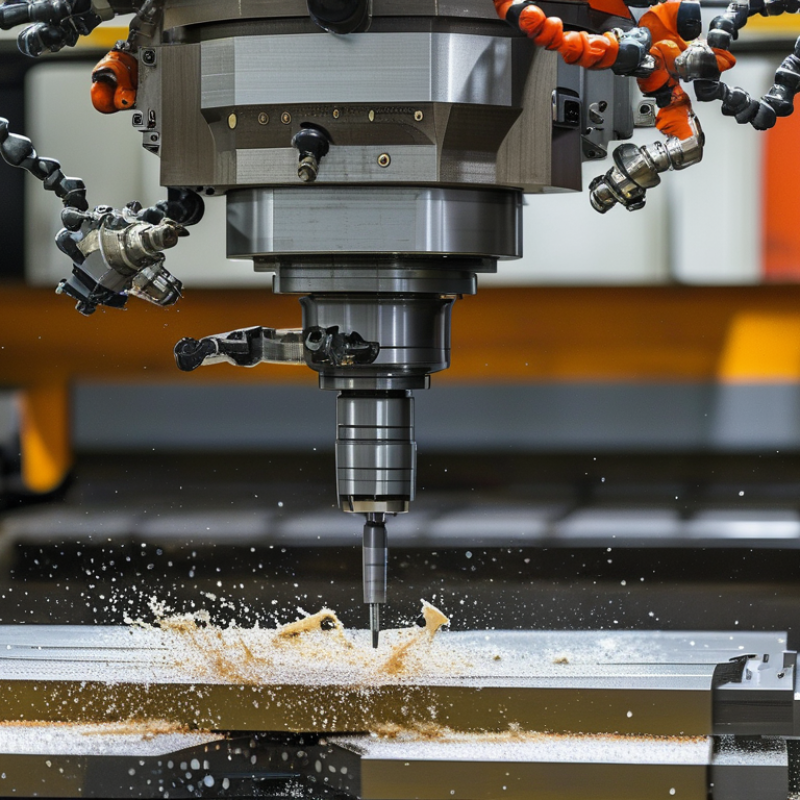
5 Axis CNC machines offer unique features that significantly enhance machining capabilities. They have the ability to move tools along five axes simultaneously. This allows for complex geometries and intricate designs that are challenging to achieve with traditional CNC machines. The flexibility in movement reduces the need for multiple setups, saving time and increasing precision.
One notable benefit is the reduction in tooling time. A 5 Axis CNC can machine multiple sides of a part in one setup. This leads to fewer errors and improved accuracy. The innovative design enables manufacturers to produce parts with higher quality standards. However, these machines can be complex. Understanding their programming and operation takes a considerable amount of experience. Not all operators may be fully equipped to handle this technology.
The investment in a 5 Axis CNC machine can be substantial. It’s important to evaluate whether the increased capabilities align with specific production needs. Potential buyers should also consider ongoing maintenance and training costs. Industry trends show a growing demand, but careful thought is essential before making a decision. Each business should assess its capabilities and requirements before diving into this advanced technology.
This chart highlights the key features of the best 5 Axis CNC machines in 2026, showcasing their speed, accuracy, work envelope size, weight, and price. Each metric is essential for global buyers when selecting the right manufacturing equipment.
When selecting a 5-axis CNC machine, several key factors need careful consideration. The first aspect is the machine's build quality and rigidity. A well-constructed machine minimizes vibrations, leading to superior accuracy in precision machining. Look for substantial components made of durable materials. Pay attention to the machine's weight; heavier machines often provide more stability.
Another important factor is the control system. An intuitive and robust control interface allows operators to manage complex tasks easily. A high-quality control system enhances programming efficiency. Consider software compatibility as well. Having access to advanced CAM software can significantly improve your workflow and outcomes.
Tips: Evaluate the available support and warranty options. A reliable service network can make a difference in maintenance and repair times. Choose a machine with a supportive community or resources that you can rely on.
Lastly, think about the machine's footprint and power requirements. Ensure you have adequate space and electrical capacity for optimal performance. Balancing these factors will help you make an informed choice that aligns with your production needs and goals. Finding the right CNC machine is not just about the specifications; it’s about how well it fits into your operational strategy.
As the demand for precision machining grows, choosing the right 5-axis CNC machine becomes critical for many manufacturers. In 2026, the landscape has evolved with advanced models that offer enhanced capabilities. Features such as quicker processing times and superior accuracy are now standard. However, evaluating these machines requires careful consideration of individual needs and production goals.
In a comparative analysis of the top 5 models, several factors stand out. Users often look for machines with user-friendly interfaces, robust support, and flexibility in design. A machine can boast excellent specifications but may fall short if its operation is complex. Additionally, maintenance costs and downtime should not be overlooked. Often, a machine that looks great on paper may require frequent repairs, leading to unexpected expenses.
Exploration of user reviews reveals a wealth of information. Many operators report mixed experiences, emphasizing the importance of real-world performance. Some machines excel in intricate designs but struggle with larger workpieces. Balancing these capabilities is essential for any buyer. Investing time in research is just as important as selecting the machine itself. This ensures that the chosen model meets specific operational requirements and personal expectations.
User feedback on 5-axis CNC machines is invaluable. Users often highlight the complexity of setup and programming. Many operators report a steep learning curve, especially for those transitioning from 3-axis systems. However, the enhanced capabilities of 5-axis machines can significantly boost productivity.
Positive reviews frequently mention superior precision. Many users appreciate the ability to tackle intricate designs with ease. The versatility of these machines shines in diverse materials, from metals to composites. Customers often comment on the quality of finished products, noting fewer post-processing requirements.
However, some users point out maintenance challenges. Regular servicing can be time-consuming and costly. Additionally, customer support experiences can vary significantly. A few users express frustration over delayed responses from manufacturers. Overall, while the benefits of 5-axis CNC machines are evident, potential buyers must weigh these challenges against their production needs.
As manufacturers navigate the evolving landscape of 5 Axis CNC technology, several trends emerge. According to a report by MarketsandMarkets, the global CNC machine market is projected to reach $100 billion by 2026. A significant driver of this growth is the increasing demand for precision engineering across various sectors. Manufacturers are now focusing on integrating high-speed cutting tools and adaptive control features to improve efficiency.
Investing in automation is another key trend. Many manufacturers are adopting advanced robotics paired with CNC machines to boost productivity while reducing labor costs. However, implementing such systems requires proper training and integration, which can be challenging. Without a clear strategy for staff adaptation, companies might face operational delays.
Another area to focus on is sustainability. Eco-friendly practices are becoming essential in manufacturing. The demand for energy-efficient solutions and waste reduction tools continues to rise. Many industry reports highlight that companies implementing sustainable practices can save up to 30% on operational costs. It’s crucial for manufacturers to assess their environmental impact and consider greener alternatives in their CNC processes.
: Look for user-friendly interfaces, robust support, and flexibility in design.
Maintenance costs can add up. A lower initial price doesn't guarantee cheaper long-term expenses.
User reviews vary. Some machines excel in detailed designs but may struggle with larger parts.
Key trends include automation, sustainability, and integrating high-speed cutting tools.
Automation can boost productivity and reduce labor costs, but requires proper training.
Implementing eco-friendly practices can lead to savings of up to 30% on operational costs.
Integration and staff training can be challenging. Delays may occur without a clear strategy.
Research helps ensure that the machine meets operational needs and personal expectations.
Yes, a complex operation or frequent repairs can hinder performance despite high specs.
Assessing environmental impact and adopting greener practices is crucial in today's market.
The article "2026 Best 5 Axis CNC Machine for Global Buyers Guide" offers a comprehensive overview of 5 Axis CNC machines, highlighting their features and benefits that make them essential tools for modern manufacturing. It discusses key factors that buyers should consider when selecting a 5 Axis CNC machine, including precision, versatility, and ease of use.
Additionally, the article presents a comparative analysis of the top five 5 Axis CNC machines available in 2026, backed by user experiences and customer reviews. This analysis not only aids potential buyers in making informed decisions but also outlines the future trends in 5 Axis CNC technology, emphasizing advancements that are expected to shape the market for global manufacturers in the coming years.
