
Fishen
In today's competitive manufacturing landscape, the efficiency and precision of machining processes can set a business apart. A 5 Axis CNC Lathe exemplifies advanced technology, allowing for complex designs and intricate shapes. This machine utilizes multiple axes, enhancing customization and reducing production time.
Businesses that invest in a 5 Axis CNC Lathe often experience improved operational efficiency. With its ability to perform various functions simultaneously, it minimizes downtime. However, mastering this technology requires skilled operators and constant training. Some companies may find it challenging to adapt.
Furthermore, the initial investment in a 5 Axis CNC Lathe can be substantial. While the long-term benefits may outweigh the costs, businesses must weigh their options carefully. Proper implementation and ongoing maintenance are crucial for maximizing its advantages. Understanding these nuances is essential for businesses aiming to thrive in the modern market.
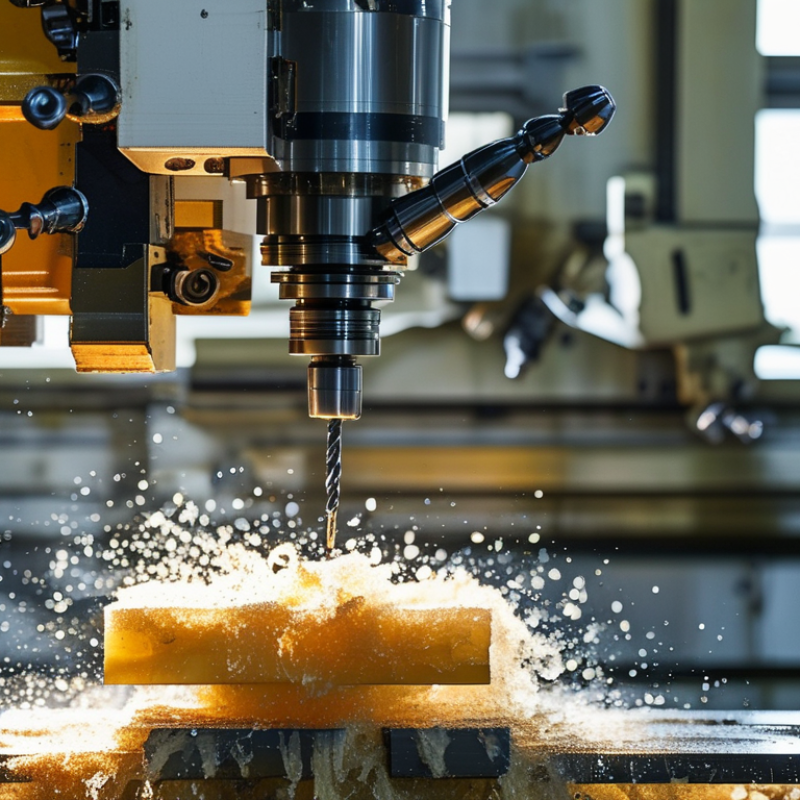
Using a 5-axis CNC lathe brings remarkable advantages in precision machining. Enhanced precision is crucial for industries such as aerospace, automotive, and medical devices. According to a report by the International Journal of Advanced Manufacturing Technology, 5-axis systems can improve machining accuracy by up to 30%. This level of precision reduces the need for secondary operations, saving time and costs.
The capability to machine complex geometries in one setup minimizes human error. With traditional lathes, multiple setups increase the likelihood of misalignment. A study from the Precision Engineering journal indicates that 5-axis lathes can achieve tolerances within ±0.005 mm. Such accuracy elevates product integrity, essential for regulatory compliance in sectors where safety is paramount.
Tips: Always consider the learning curve. Operators may need training to maximize the 5-axis machine's capabilities. Also, regularly maintain your CNC machine for consistent performance. Be mindful of the initial investment; while the cost is higher, the long-term savings can be significant. This evolution in technology offers businesses a chance for growth meaningfully.
The use of a 5-axis CNC lathe significantly enhances production efficiency. According to industry reports, companies utilizing advanced CNC technology report a 30% reduction in production cycle time. This efficiency stems from the 5-axis capability to perform multiple tasks in a single setup, minimizing machine downtime. When operators can machine complex parts without repositioning, the overall workflow improves.
Time savings are a crucial aspect of this technology. A study from the Manufacturing Technology Institute indicated that businesses experience up to 40% fewer errors in production when using 5-axis CNC machines. This decrease in errors translates directly into higher quality products and fewer reworks. Notably, improved accuracy means designs can be more intricate, allowing companies to innovate without growing their lead times.
Despite these benefits, some challenges remain. New operators may require additional training to harness the full potential of 5-axis machines. Keeping pace with technology advancements and maintenance can also be daunting. Therefore, evaluating current and future needs is essential for a successful transition. Each of these factors plays a role in determining if the investment will yield the expected time savings and quality improvements.
A 5 axis CNC lathe offers remarkable versatility in handling complex designs and geometries. This capability enables businesses to produce intricate parts with precision and efficiency. The multi-axis movement allows for machining from different angles, which is particularly useful for complicated components, such as turbine blades or automotive parts. Such geometries often demand more than traditional machines can provide.
The adaptability of a 5 axis CNC lathe can reduce production time significantly. It often requires fewer setups, which minimizes errors and boosts workflow efficiency.
While these machines can manage intricate tasks, they do require skilled operators. Not every technician may be comfortable with advanced settings. Training is essential to maximize their potential. Attention to detail is critical. The complexity of the work can sometimes lead to mistakes, requiring a culture of continuous improvement.
Using a 5 axis CNC lathe is a learning process. Operators must balance speed and precision with careful planning. Some designs may not perform as expected, necessitating adjustments. The potential for errors exists, making it crucial to evaluate outcomes closely. Engaging in this reflection can lead to a better understanding of how to leverage the machine's capabilities effectively. Ultimately, embracing both the advantages and the challenges can yield substantial benefits for businesses.
Using a 5-axis CNC lathe can significantly reduce setup time. Traditional machining often requires multiple setups for a single part. With a 5-axis machine, complex shapes can be created in one operation. This capability eliminates extra handling. Many operators find this vastly improves efficiency. A streamlined process is vital for meeting tight deadlines.
Increased production throughput is another major advantage. The ability to accommodate various angles and orientations reduces the need for repositioning. This means parts can be produced faster. The high precision offered by 5-axis machining also leads to fewer rejected parts. However, the transition to 5-axis technology may require initial training. It's essential to invest in staff education. While the equipment itself is an investment, the payoff in productivity justifies this cost over time.
Challenges remain, such as the need for regular maintenance. A machine breakdown can lead to delays. It's crucial to develop a maintenance schedule that keeps the machinery running smoothly. Investing in a 5-axis CNC lathe isn't without its bumps, yet the benefits often outweigh the drawbacks. Such advanced technology can propel a business ahead of its competitors.
Using a 5-axis CNC lathe can dramatically improve cost-effectiveness for manufacturers. With its ability to machine complex geometries in a single setup, material waste is minimized. Studies show that companies utilizing advanced CNC technology can reduce material waste by up to 30%. This efficiency leads directly to significant savings in production costs.
Material savings not only decrease expenses but also positively impact the environment. The more efficient your machining process, the less scrap you produce. According to industry reports, reducing waste contributes to sustainable practices while lowering overall costs. Many manufacturers overlook this benefit, impacting their profitability.
Here are a few tips to optimize material use:
1. Invest in quality tooling. Proper tools improve precision and extend the lifespan of your machinery.
2. Regularly train staff on best practices. Better-trained employees can identify wasteful processes and suggest improvements.
3. Closely monitor data analytics. Use CNC software to analyze cutting patterns and adjust settings for efficiency.
As you assess your machining processes, consider the long-term implications of waste reduction. It's essential to strike a balance between production speed and quality. Some production runs may still generate excess material, leaving room for improvement. This reflection can lead to more sustainable practices and better profit margins.
| Benefit | Description | Impact on Cost |
|---|---|---|
| Material Savings | Utilizes advanced tooling to minimize material waste. | Lowers overall material costs by 15-30%. |
| Waste Reduction | Reduces the scrap rate significantly through precise cutting. | Potential to save up to $10,000 annually. |
| Increased Throughput | Performs multi-axis machining in a single setup, boosting production rates. | Increases production capacity by 20-50%. |
| Enhanced Precision | Delivers higher accuracy for complex designs. | Reduces rework costs by 10-25%. |
| Flexibility in Design | Supports complex geometries and multi-material applications. | Enables potential for innovative product offerings. |
| Labor Savings | Automates several processes, reducing labor requirements. | Saves $15,000 in labor costs annually. |
| Improved Surface Finish | Achieves superior surface quality with fewer finishing steps. | Reduces finishing costs by up to 20%. |
| Shorter Lead Times | Cuts production cycles significantly, enhancing delivery speed. | Potential to shorten lead times by 30%. |
| Lower Operational Costs | Consolidates multiple operations into one machine setup. | Reduces operational costs by 20%. |
| Greater Competitive Advantage | Allows rapid response to market changes and demands. | Increases market share potential. |
: Enhanced precision is a major advantage. It improves machining accuracy significantly.
Reports indicate an accuracy improvement of up to 30%. This reduces the need for extra operations.
They allow for machining from various angles. This is essential for intricate components.
Operators need training to utilize the machine's capabilities effectively.
Fewer setups reduce the chances of errors. This boosts workflow efficiency significantly.
Mistakes can occur due to the complexity of work. Attention to detail is vital.
Evaluating outcomes is essential for understanding and improving performance.
Initial investment is higher, but long-term savings can be significant.
Regular maintenance ensures consistent performance over time.
It can be challenging, requiring a balance of speed and precision in operation.
The use of a 5 Axis CNC Lathe offers significant benefits for businesses seeking to enhance their manufacturing processes. One of the primary advantages is the enhanced precision it provides, allowing for the production of highly detailed and complex geometries with remarkable accuracy. This increased precision translates to improved efficiency in production workflows, ultimately saving valuable time and resources.
Additionally, 5 Axis CNC Lathes are versatile tools that can accommodate a wide range of complex designs, reducing the need for multiple setups. This capability leads to a reduction in setup time and an increase in overall production throughput. Moreover, by minimizing material waste and optimizing processes, businesses can experience cost-effectiveness, making the investment in a 5 Axis CNC Lathe a smart choice for enhancing manufacturing efficiency and output.
