The demand for Vertical Milling Machines continues to rise globally, driven by advancements in manufacturing technology. Industry reports indicate that the global vertical milling machine market is projected to grow at a CAGR of 4.6% from 2023 to 2030. This growth highlights the increasing need for precision and efficiency in machining processes.
Vertical Milling Machines offer unique advantages, such as versatility and ease of use. They play a crucial role in various sectors, including aerospace, automotive, and medical device manufacturing. Yet, many buyers struggle to identify the best options available. Inconsistent quality and pricing can lead to confusion, underscoring the importance of informed decision-making.
Investing in a Vertical Milling Machine requires careful consideration of specifications and supplier reputation. Not every machine meets the production needs. Buyers must evaluate features such as spindle speed and bed size while also considering long-term support and service options from manufacturers. The path to finding the best vertical milling machine can be complex, but the potential rewards in productivity are significant.
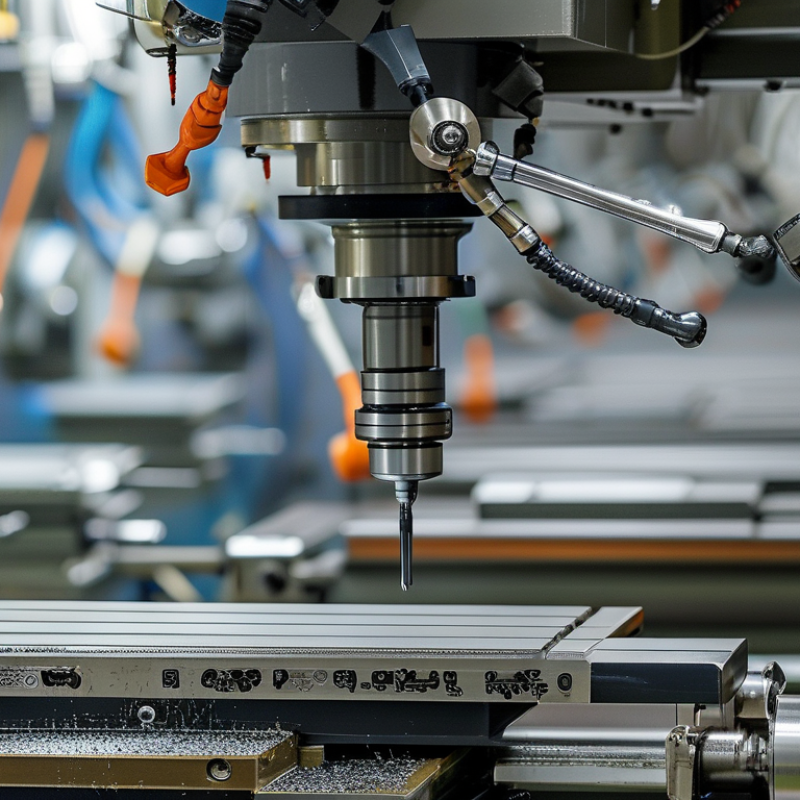
Overview of Vertical Milling Machines and Their Applications
Vertical milling machines are essential tools in various manufacturing processes. They are used primarily for machining metal and other materials into precise shapes. According to the latest industry report, over 30% of machining operations rely on vertical milling technology due to its versatility and efficiency. These machines can perform different functions, including drilling, boring, and contouring, making them suitable for both prototyping and large-scale production.
In the automotive and aerospace sectors, vertical milling machines serve a crucial role. They are often employed to create complex components such as engine blocks and turbine blades. The Technology & Manufacturing Association highlighted that the global demand for vertical milling machines is expected to rise by 4.5% annually through 2028. This growth reflects their adaptability to evolving manufacturing needs.
Tips: When choosing a vertical milling machine, consider the size and power ratings crucial for your projects. Assessing the machine’s compatibility with your existing equipment can optimize workflow. Always prioritize machines with reliable customer support and service options. Furthermore, training operators effectively is key to utilizing these machines to their full potential, thereby minimizing errors and improving output quality.
Best Vertical Milling Machine for Global Buyers
| Machine Type |
Max Table Load (kg) |
Spindle Speed (RPM) |
Table Size (mm) |
Weight (kg) |
Applications |
| Standard Vertical Mill |
500 |
2200 |
1200 x 250 |
600 |
Machining Parts, Prototyping |
| CNC Vertical Mill |
750 |
3000 |
1500 x 300 |
800 |
Precision Machining, Mass Production |
| Benchtop Vertical Mill |
200 |
1500 |
800 x 200 |
200 |
Hobby Projects, Small Parts |
| Bridgeport-style Mill |
300 |
2500 |
1000 x 300 |
500 |
Tooling, Repairs |
| Vertical Milling Center |
1000 |
5000 |
2000 x 400 |
1000 |
Complex Parts, Aerospace |
Key Features to Consider When Choosing a Vertical Milling Machine
When selecting a vertical milling machine, several features stand out. First, consider the machine's rigidity. A rigid frame reduces vibrations, enhancing precision. According to a recent industry report, machines with dense cast iron bodies are often favored for their durability and stability.
Another key factor is the spindle speed. High spindle speeds facilitate effective machining of various materials. A study indicates that machines operating above 5,000 RPM can significantly reduce cycle times. However, ensuring proper tool selection is vital for optimal performance at these speeds.
Tips: Look for machines with adjustable speed settings. This flexibility can enhance both efficiency and accuracy. Also, consider machines with easy-to-use controls. User-friendly interfaces minimize the learning curve.
Finally, look at the tooling compatibility. Machines that support a wide range of tools provide greater versatility. Yet, the availability of these tools can vary. Be sure to check local suppliers before making a decision. Inconsistencies in tool availability could affect your operations.
Top Brands and Models in the Vertical Milling Machine Market
When considering vertical milling machines, buyers face a vast range of options. The market features several top brands known for their craftsmanship and reliability. Each brand usually offers multiple models, catering to various needs. These models vary in specifications such as speed, size, and technology. Some machines are compact and suitable for small workshops, while others are designed for industrial use, accommodating larger workpieces.
User reviews and expert opinions frequently highlight the performance of these machines. Buyers often appreciate features like user-friendly controls and durable components. However, not all models meet expectations, leaving some users dissatisfied. Frequent maintenance can also be a concern for some brands, impacting their long-term value. It’s essential for buyers to weigh these insights carefully.
Investing in a vertical milling machine involves significant considerations. Understanding the specific requirements of your projects is crucial. Some models may excel in precision, while others prioritize speed. Evaluating a machine's performance on various materials can lead to better choices. Flexibility in usage is another vital factor. Selecting the right machine may demand thorough research and honest reflection on your needs.
Comparison of Price and Value Among Leading Vertical Milling Machines
When searching for the best vertical milling machine, understanding price versus value is crucial. Various models offer unique features that cater to different needs. The price can vary greatly, influenced by functionality, precision, and durability. Buyers must assess their specific requirements before making a decision. For instance, a machine with advanced features might appear costly upfront but could increase productivity and save costs in the long run.
In comparison, some options provide basic features at lower prices. These machines are suitable for beginners or small workshops. However, they may lack the reliability needed for larger projects. Users should weigh their long-term goals against initial investments. It’s essential to think critically about what features genuinely add value. Machines with higher specifications often come with better support and warranty options, reflecting their reliability.
Ultimately, navigating this market requires careful consideration. Each buyer's needs differ, making it imperative to research thoroughly. Comparing various models on various platforms can reveal insights into their performance and user experiences. Understanding both the price and what you truly get for that price can lead to smarter purchasing decisions.
Future Trends in Vertical Milling Technology and Buyer Considerations
Vertical milling technology is evolving rapidly, driven by advancements in automation and precision. According to a recent market analysis by MarketsandMarkets, the global vertical milling machine market is expected to grow at a CAGR of 5.6% through 2025. Buyers should consider several factors as they navigate this expanding market.
One key trend is the integration of smart technologies. IoT-enabled machines allow for real-time monitoring and data collection. This transforms how operations manage workflows. Buyers often overlook software compatibility when selecting a machine. Ensuring that new mills integrate well with existing systems can prevent costly downtimes and operational inefficiencies.
Buyers must also think about energy efficiency. Reports suggest that energy-efficient milling machines can reduce operational costs by up to 30%. However, the initial investment may be higher. It’s essential to weigh long-term savings against short-term expenses. Many manufacturers still typecast energy-efficient models as too expensive without considering total cost of ownership.
Tips: When evaluating machines, prioritize user feedback. Real-world experiences can shed light on potential limitations. Additionally, ensure comprehensive training for operators. Skilled personnel can maximize the machine's capabilities, ultimately enhancing productivity.
FAQS
: Vertical milling machines are used to machine metal and other materials into precise shapes.
They are versatile and efficient, performing functions like drilling, boring, and contouring for various projects.
The automotive and aerospace sectors use them for creating complex components like engine blocks and turbine blades.
The global demand is expected to rise by 4.5% annually through 2028, reflecting their adaptability.
Consider size and power ratings, as well as compatibility with existing equipment for optimal workflow.
Effective training helps minimize errors and improves output quality, maximizing the machine’s potential.
Not all models may meet user expectations, leading to possible dissatisfaction and maintenance concerns.
User reviews highlight performance features, helping buyers understand strengths and weaknesses of different models.
Precision, speed, material compatibility, and flexibility of use are crucial factors to evaluate for better choices.
Yes, thorough research and honest reflection on your needs can lead to a more suitable purchase.
Conclusion
Vertical milling machines are essential tools in various manufacturing processes, offering precision and versatility in machining operations. This article provides a comprehensive overview of vertical milling machines, detailing their applications across different industries. When selecting a vertical milling machine, buyers should consider key features such as spindle speed, table size, and control systems to ensure they meet specific production needs.
Additionally, the article highlights top brands and models available in the market, emphasizing the importance of comparing price and value to find the best fit for various budgets and requirements. As technology advances, future trends in vertical milling machines are also discussed, indicating a shift towards more automated and efficient systems. Overall, understanding these aspects will aid global buyers in making informed decisions when investing in vertical milling machines.
 Fishen
