
Fishen
Choosing among China’s best vertical turning center manufacturers requires more than comparing machine prices. A reliable supplier should demonstrate engineering experience, stable production, and clear quality-control procedures. The Vertical Turning Center must match the workpiece size, material, tolerance, and production rhythm.
Look closely at spindle power, table diameter, maximum turning height, and chuck capacity. These details affect daily output. A heavy cast-iron base can reduce vibration during demanding cuts. Precision linear guides and servo systems support smoother movement. Effective chip removal also matters when machining large steel components.
Factory evidence is valuable. Request application examples, inspection records, and videos of completed machines. Ask how suppliers test spindle runout, positioning accuracy, and thermal stability. Certified components can improve confidence, but certificates alone do not prove long-term performance. That point deserves attention.
Experienced manufacturers usually provide practical support before installation. Their engineers should help confirm tooling, programming, foundation requirements, and coolant arrangements. After delivery, responsive training and spare-parts access can protect production schedules. Weak after-sales service may turn a promising machine into an expensive interruption.
The “best” supplier depends on your actual process. A compact model may suit repeat batches, while a large double-column machine may serve heavy industrial parts. Some published specifications can appear impressive, yet real cutting results may differ. Independent testing is wise. It reduces uncertainty.
This guide introduces leading Chinese manufacturers through technical capability, manufacturing depth, customization, service quality, and customer evidence. The goal is not to praise every supplier equally. It is to identify manufacturers that can earn trust through measurable performance, transparent communication, and dependable support. Reliability must be demonstrated over time.
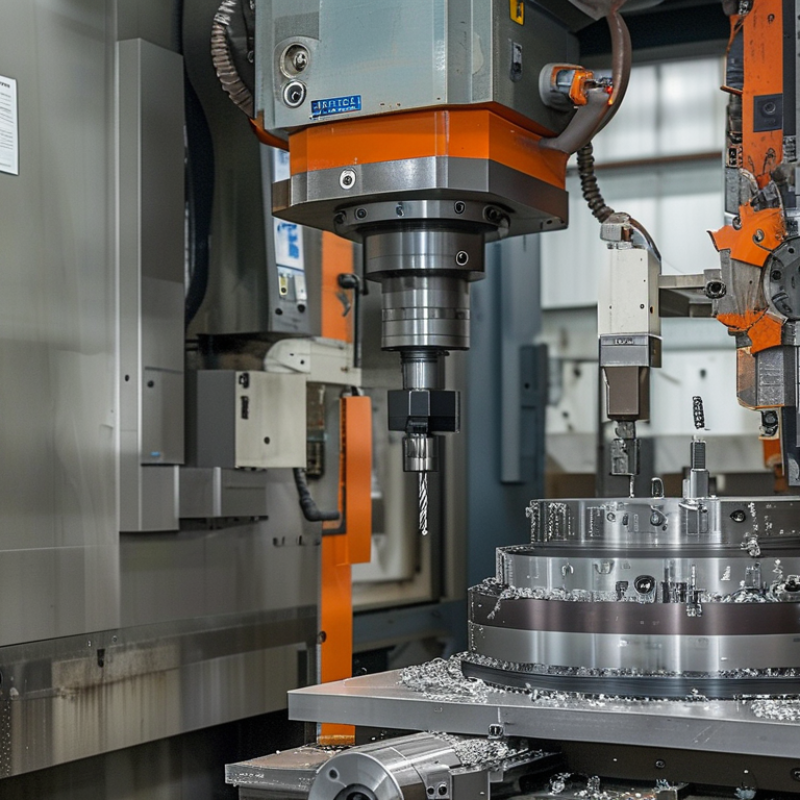
A vertical turning center is a machine tool with a vertical spindle and worktable. It rotates large, heavy, or short workpieces during cutting. Gravity helps keep the workpiece seated on the table. This can improve stability during roughing and finishing operations.
In practical workshops, these centers machine flanges, rings, housings, wheels, and valve bodies. Their vertical layout can reduce loading difficulty for bulky components. Turrets, live tooling, automatic tool changers, and probing systems expand their capabilities. A skilled operator still matters. The machine is not magic. Incorrect clamping can create vibration, poor surface quality, or unsafe movement. I have seen production teams focus on spindle power while overlooking workholding accuracy. That choice can weaken the entire process.
Tips: Check table load capacity, swing diameter, spindle torque, and axis travel before comparing manufacturers. Ask for test-cut evidence using material similar to your own. Review positioning accuracy, repeatability, service response, and operator training. A clear installation plan also prevents costly delays. Some specifications look impressive on paper but may not match real factory conditions. Inspect the control interface and chip-handling design personally when possible. These details often influence daily productivity more than advertised speed.
China’s leading vertical turning center manufacturers are judged by measurable performance, not polished catalogs. The China Machine Tool Industry Association reported about RMB 115.8 billion in machine-tool industry revenue in 2023. This competitive market rewards stable engineering and responsive service. Key manufacturers usually combine rigid castings, high-torque spindles, and thermal compensation. These features support heavy turning with fewer dimensional changes during long cycles. Proof matters.
Automation is another important differentiator. The International Federation of Robotics reported 276,288 industrial robot installations in China during 2023, representing 51% of global installations. Leading manufacturers therefore design turning centers for robotic loading, pallet systems, and process monitoring. They also provide spindle-test records, positioning accuracy results, and sample-cut data. However, automation alone does not guarantee productivity. A poorly matched chuck or unstable foundation can erase its benefits. That gap matters.
Tips: Request a witnessed test cut using your actual material. Check ISO 230-2 accuracy reports, service response times, and spare-part availability. Ask how thermal drift is measured after several hours. A lower quotation may hide weaker software support or limited commissioning. Review the evidence carefully, and leave room for doubt.
China’s best vertical turning center manufacturers distinguish themselves through measurable standards, not attractive brochures. In factory audits, buyers should review ISO 9001 procedures, material traceability, and inspection records. Machine geometry should follow recognized machine-tool testing practices, including spindle runout, positioning accuracy, and repeatability checks. These figures matter more than maximum spindle speed.
Technology comparison requires practical evidence. A rigid cast structure can reduce vibration during heavy turning. Linear scales may improve feedback accuracy, especially on large workpieces. Servo turrets should demonstrate stable tool changes under repeated cycles. Thermal compensation is also valuable in long production runs, but suppliers must explain its testing method. Ask for sample parts.
Control integration deserves close attention. A reliable manufacturer can connect probing, tool monitoring, coolant systems, and production data without creating confusing interfaces. Electrical safety, guarding, emergency stops, and documented risk assessments should be verified before installation. Compliance documents alone are not enough. Real testing matters.
There are trade-offs. Higher automation can reduce labor, yet it may increase maintenance demands. More powerful spindles can improve cutting performance, but they may raise heat and energy consumption. I have seen technically impressive machines perform poorly when foundations were inadequate. This is often overlooked. Buyers should compare cycle-time results, service response, spare-part availability, and operator training records. A fair evaluation needs factory demonstrations, independent measurements, and clear acceptance criteria.
Choosing among China’s vertical turning center manufacturers requires more than comparing catalog prices. A reliable supplier should provide clear spindle torque, table load, turning diameter, travel ranges, and positioning accuracy. Ask how these figures were measured. Request inspection records, calibration dates, and sample test-cut results.
Visit the factory when possible. Watch the assembly area, machining environment, and final inspection process. Check whether critical components receive traceable quality checks. A heavy cast structure should show consistent finishing, not only fresh paint. Ask operators about thermal drift, tool changes, chip removal, and actual maintenance frequency. Small details reveal practical experience.
Service quality often decides long-term value. Confirm response times, spare-parts availability, installation support, training, and remote diagnostics. Speak with users operating similar materials and production volumes. Their feedback may be less polished, but it is usually more useful. Do not accept vague promises about accuracy or delivery. Put acceptance criteria into the contract, including test parts and correction procedures. A low quotation can hide costly tooling, unstable software, or limited technical support. The evaluation is not perfect. Some evidence may still be incomplete. That uncertainty deserves a written risk plan, not optimistic assumptions.
A practical procurement model for comparing suppliers without relying on company or brand names. The weights reflect the main factors normally reviewed when purchasing a vertical turning center and total 100%.
Buyers should verify technical claims through documented accuracy tests, machine demonstrations, service response commitments, spare-parts availability, installation requirements, and a total-cost-of-ownership analysis.
China Best Vertical Turning Center Manufacturers
Major Applications and Selection Considerations
Vertical turning centers suit large, heavy, and rotationally symmetrical components. Typical applications include producing flanges, valve bodies, bearings, gears, and power-generation parts. Their vertical layout supports stable loading with cranes and reduces floor-space pressure. It also helps operators inspect wide workpieces at a practical height.
The International Federation of Robotics reported 541,302 industrial robots were installed worldwide in 2023, a 10% annual increase. This growth strengthens demand for turning centers that support robotic loading, probing, and unmanned cycles. In real workshops, however, automation is not always the first priority. A reliable chip conveyor may create more value than an expensive robotic cell.
Selection should begin with the workpiece, not the catalog. Check maximum diameter, height, weight, chuck size, spindle torque, and continuous power. Castings require different cutting stability than hardened steel. Review thermal compensation, positioning accuracy, tool capacity, coolant delivery, and after-sales response. ISO 230-2 testing can help verify positioning performance before purchase. Our evaluations sometimes overvalue spindle speed. That can be a mistake. Large parts often need torque, rigidity, and controlled low-speed cutting. Ask for trial machining with actual material, tooling, tolerances, and cycle targets. Measure surface finish and dimensional drift after several hours. A polished demonstration part proves little. Production evidence matters more.
: It is a machine tool with a vertical spindle and worktable. The table rotates the workpiece during cutting. Gravity helps seat heavy parts firmly.
Common examples include flanges, rings, housings, wheels, valve bodies, bearings, and gears. Large, short, rotationally symmetrical parts are especially suitable.
It simplifies loading bulky components with cranes. It can improve stability during roughing and finishing. Operators can inspect wide workpieces at a practical height.
Check table load, swing diameter, chuck size, spindle torque, power, axis travel, and tool capacity. Large parts often need rigidity and torque more than high speed.
Request inspection records, calibration dates, and test-cut results. Use similar materials, tools, tolerances, and cycle targets. Measure surface finish and dimensional drift afterward.
A visit can reveal assembly quality, inspection methods, chip handling, and machine cleanliness. Look beyond fresh paint. Ask operators about maintenance and thermal drift.
Confirm installation, training, remote diagnostics, spare-parts availability, and response times. Put acceptance criteria and correction procedures into the contract.
Not always. A dependable chip conveyor may create more value than a robotic loading system. Automation helps when production volume and cycle consistency justify it.
Do not rely on catalog prices or polished demonstration parts. Incorrect clamping can cause vibration and poor finishes. Some evidence may remain incomplete. Write a risk plan.
A Vertical Turning Center is a specialized machine tool designed to perform turning, boring, drilling, threading, and other machining operations on large or heavy workpieces. Its vertical structure supports stable loading, efficient chip removal, and accurate processing, making it suitable for industries such as energy equipment, transportation, aerospace, mold production, and general machinery. Leading manufacturers in China typically focus on rigid machine construction, high-precision spindle systems, advanced CNC control, automation compatibility, and reliable after-sales support.
When comparing suppliers, buyers should evaluate manufacturing standards, quality inspection procedures, machining accuracy, production capacity, customization options, delivery schedules, and technical service. It is also important to consider workpiece size, material, required tolerances, production volume, tooling compatibility, operator safety, and long-term maintenance costs. A well-selected Vertical Turning Center can improve productivity, reduce setup time, and provide consistent performance for demanding machining applications. Careful supplier assessment helps ensure that the equipment matches both current production needs and future manufacturing plans.
