
Fishen
Choosing the right CNC Vertical Machining Center can be a daunting task. With numerous options available, it’s crucial to understand your specific requirements. John Smith, a recognized expert in CNC machining, once said, “The best machine is the one that fits your unique production needs.” This suggests that the perfect choice may not be the most expensive or advanced model.
When exploring a CNC Vertical Machining Center, consider your workpiece size and complexity. Knowing the materials you will use is equally important. For instance, aluminum may require different specifications compared to titanium. The right machine must handle your expected workload reliably. Ensure you look into its precision, speed, and maintenance requirements.
Reflecting on past choices can be beneficial. Many companies regret overlooking vital features that eventually affected production quality. A well-informed decision can lead to increased efficiency and productivity. Balancing cost with your specific needs is essential. Every detail matters in making an informed choice. Take the time to evaluate all options thoroughly before committing.
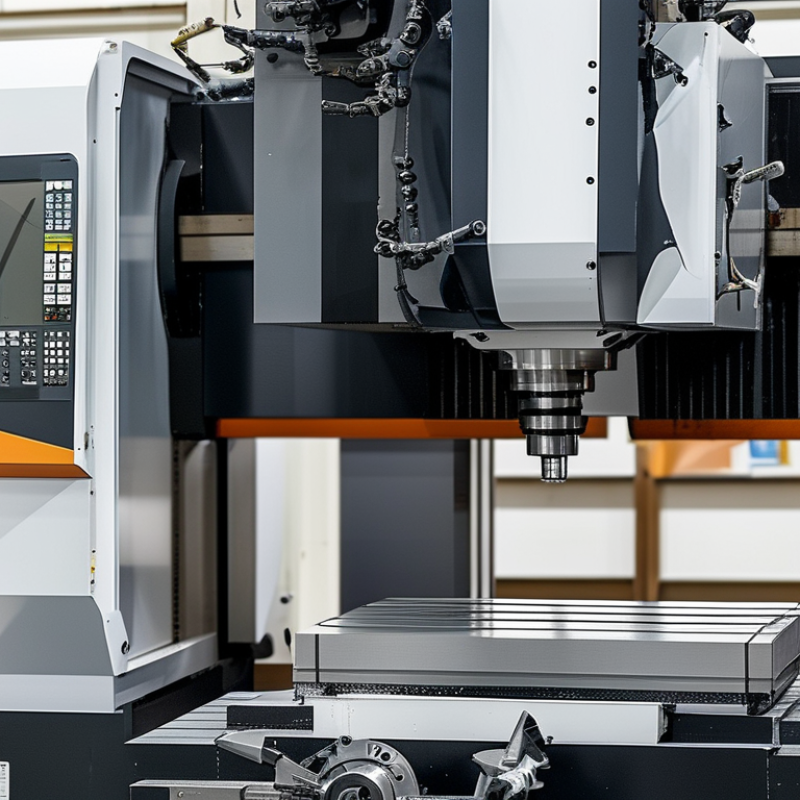
Choosing the right CNC vertical machining center requires understanding its key features and benefits. These machines are essential for precision machining tasks. They can improve efficiency and deliver high-quality results. One key feature is the spindle speed. Higher speeds allow for faster material removal. Consider how quickly you need to produce parts.
Another essential aspect is the travel distance. Depending on the size of your projects, ensure the machining center can accommodate your workpieces. The rigidity of the machine is also crucial. A more rigid machine reduces vibrations and improves precision.
Here are some tips: Evaluate the types of materials you will work with. Different machines handle various materials better. Think about the software compatibility too. It can affect your overall workflow. Lastly, factor in future needs. A machine that meets your current demands might not suffice later on.
Choosing the right size for a CNC vertical machining center is crucial for optimizing your production efficiency. It starts with understanding your current and future production needs. If you primarily work on small parts, a more compact machine may suffice. However, if you foresee expanding your product line to larger components, investing in a bigger model could prevent issues later on.
Consider the types of materials you will be machining. Softer materials may allow for smaller machines, while harder materials often necessitate more robust machines with better capacity. It’s also essential to think about the complexity of the parts. High complexity parts often require machines with longer travel distances and more tool options.
Many companies overlook the importance of future growth. A machine that meets your current needs may quickly become inadequate. Upgrading later can be costly and disruptive. Therefore, assessing both present and projected needs is key. It’s crucial to strike a balance between your current operations and your expectations for growth while being mindful of your budget constraints.
When selecting a CNC vertical machining center, material compatibility plays a crucial role. Not all machines excel with every type of material. For instance, aluminum requires quick feed rates, while steel demands more power and slower speeds. Understanding these nuances can enhance machining efficiency significantly.
Different materials can impact tool wear rates. Harder materials, like titanium, can dull cutting tools quickly. This means you may need to invest in high-quality tools. Using a machine that isn’t suited for your material can lead to poor results. It’s vital to consider the specific characteristics of the materials you plan to work with.
Some machining centers perform well with softer materials but struggle with tougher ones. This can lead to variability in quality. Take a close look at the specifications of your potential machines. Analyze their capabilities against the materials in your workflow. Proper assessment may require professional expertise to ensure you're making the right choice.
| Material Type | Recommended CNC Machine Features | Common Applications |
|---|---|---|
| Aluminum | High spindle speed, effective coolant system | Aerospace components, automotive parts |
| Steel | Robust structure, high torque motors | Tooling, structural components |
| Plastic | Low spindle speed, precision tooling | Consumer products, prototypes |
| Titanium | Advanced cooling, rigid machine frame | Medical devices, aerospace applications |
| Wood | Versatile tooling, dust collection system | Furniture, cabinetry |
When evaluating precision and tolerance requirements in CNC machining, several factors come into play. Precision refers to the machine's capability to produce parts within a specified range of dimensions. Tolerance is the allowable deviation from a specified dimension. According to a report from the International Society of Automation, precision improvements of 10% can influence overall manufacturing quality significantly. Therefore, understanding these aspects is critical for selecting the right CNC vertical machining center.
Consider the materials you will be machining. Different materials demand specific tolerances and levels of precision. For example, Machinist's guidelines suggest that aluminum may require tighter tolerances than plastics. This difference can impact tool choice and processing speed. It's essential to assess how your machining center performs with different materials to ensure it meets your requirements.
Tips: Establish your precision needs early in the process. Use testing methods to validate performance. Also, consider potential wear and tear. Not all machines maintain consistent precision over time. Regular calibration may be needed to keep your specifications on point. Being prepared for these factors will save you time and money in the long run.
When considering a CNC vertical machining center, understanding the cost is crucial. Initial investment costs typically range from $20,000 to $150,000, depending on the machine's specifications. This cost often includes essential features like spindle speed and tool capacity. Beyond the initial purchase, operational expenses must also be factored in. Maintenance, tooling, and energy bills can account for up to 30% of annual costs, varying based on usage and operational efficiency.
Tips: Prioritize machines with lower maintenance costs. This can significantly enhance your long-term savings. Also, consider energy-efficient models to reduce operating expenses.
It’s important to reflect on your actual production needs. Overestimating your requirements can lead to wasted resources. Additionally, fluctuations in raw material costs can impact your budget. Stay informed about market trends to avoid unplanned expenses. Identifying possible financial pitfalls can aid in creating a more comprehensive budgetary plan.
: It's a machine used for precision machining tasks, allowing high-quality results.
Higher spindle speeds enable faster material removal, improving production efficiency significantly.
Assess your current and future production needs first; think about part sizes and complexity.
A rigid machine minimizes vibrations, enhancing precision and quality during machining.
Yes, many overlook this. A machine that fits now may not meet future demands.
Softer materials can use smaller machines; harder materials need more robust machines.
It can impact workflow efficiency, making it necessary to consider during selection.
You may face limitations and need costly upgrades, disrupting your operations.
Yes, complex parts often require machines with larger travel distances and more tooling options.
Many don’t plan for growth, risking operational setbacks when needs evolve.
Choosing the best CNC Vertical Machining Center for your needs involves a comprehensive understanding of key features and benefits these machines offer. It's essential to assess your production requirements, including the size and complexity of parts you will be machining, to determine the most suitable CNC machine size. Additionally, ensuring compatibility with various workpiece materials is crucial for optimal performance.
Evaluating precision and tolerance requirements helps in selecting a CNC Vertical Machining Center that meets the expected output quality. Lastly, conducting a cost analysis, including the initial investment and ongoing operational expenses, will assist in making a financially sound decision. By considering these factors, you can effectively identify a CNC Vertical Machining Center that aligns with your specific manufacturing goals.