
Fishen Fishen

2026 How to Choose the Best 5 Axis Machining Center?

Time:2026-05-07 Author:Oliver
0%

In the ever-evolving world of manufacturing, selecting the right 5 Axis Machining Center is crucial. Renowned expert Dr. Lisa Harris emphasizes, “The right machinery can elevate your production efficiency.” Her insights remind us that the choice impacts the entire workflow.

5 Axis Machining Centers provide unparalleled precision and flexibility. They enable manufacturers to create complex geometries with ease. The market offers various options, each with distinct features. It's essential to assess these machines based on specific needs and applications. Some machines may excel in speed, while others focus on intricate detailing.

When facing this decision, it's also vital to recognize the pitfalls. Overlooking essential specs can lead to costly errors. It's wise to seek expert advice and explore user reviews. Remember, the right 5 Axis Machining Center shapes not just production, but innovation itself.
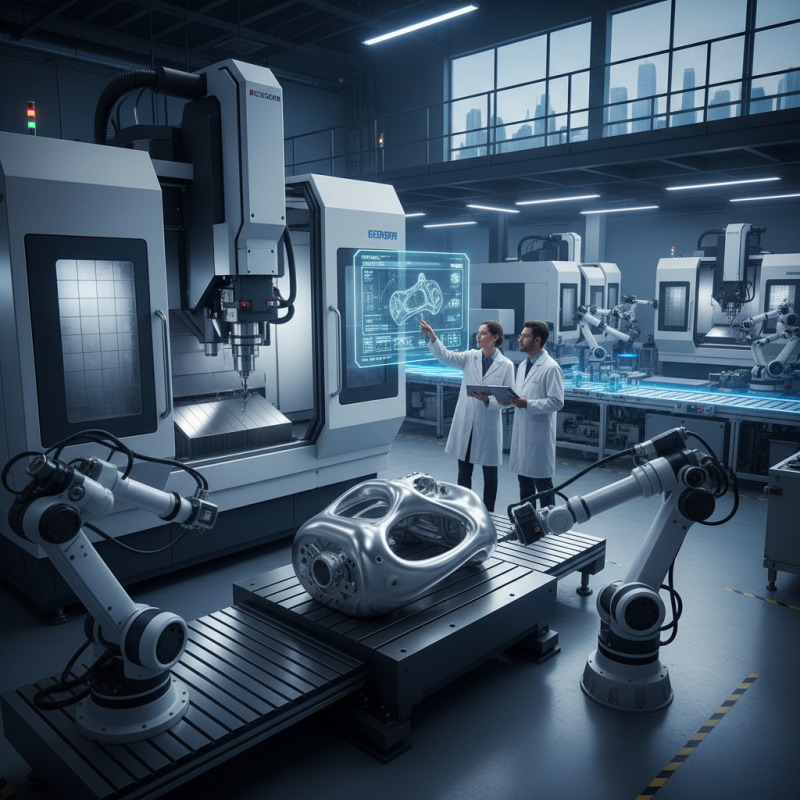
2026 How to Choose the Best 5 Axis Machining Center?

Understanding 5 Axis Machining Centers: Key Features and Benefits

5 Axis machining centers are essential for modern manufacturing. They allow for greater precision and flexibility. With the ability to manipulate the workpiece on five different axes, these machines create intricate parts that are often hard to achieve with traditional machining.

Key features include high-speed spindles and advanced control systems. These components significantly improve efficiency. Many operators note that the learning curve can be steep. However, the investment pays off with reduced production times. The versatility of 5 Axis centers makes them suitable for various materials, from metals to plastics, accommodating diverse industries.

Benefits of 5 Axis machining include enhanced accuracy and reduced setup times. Parts typically require fewer fixtures, which can save costs. However, it's crucial to choose the right machine for your needs. Some machines may have limitations based on size or material type. Reflecting on these factors can lead to better decision-making in your machining processes.

Assessing Your Manufacturing Needs: Size, Volume, and Complexity

When selecting a 5-axis machining center, it’s essential to evaluate your manufacturing needs. Consider the size of the parts you produce. A larger workspace allows for bigger components. However, this may increase the footprint of your machinery. Assess if your facility has the necessary space.

Volume is another critical factor. High-volume production requires efficient machines. Look for centers that can handle rapid cycles without sacrificing accuracy. Balancing speed and precision is vital. There’s always a trade-off to consider. Sometimes, additional complexity in parts can lead to longer setups.

Tips: Assess your parts’ complexity. More intricate designs might need additional features in the machining center. Understand your production flow. Efficient setup can minimize downtime. Regularly revisit your needs. Machinery requirements can change over time. Your initial choice may need to be re-evaluated as your production evolves.

Evaluating Precision and Accuracy Requirements for Machining Tasks

When selecting a 5-axis machining center, precision and accuracy are critical factors. According to a report by the National Institute of Standards and Technology, tolerances in machining can range as tight as ±0.0001 inches for intricate components. This level of precision is essential in industries like aerospace and medical equipment.

Evaluating the specific needs of your machining tasks can lead to better outcomes. Are you working with complex geometries? If so, a machine with enhanced accuracy is necessary. A study from the American Society of Mechanical Engineers indicates that the right 5-axis machine can boost production efficiency by over 30%. It is essential to align your precision requirements with the machine’s capabilities.

Tips: Focus on machine rigidity and the controller's flexibility. These factors influence tool path accuracy and overall performance. Always review the machine's specifications to understand its precision limits. Gathering feedback from experienced operators can also provide insights that are not always documented. Remember, even top-rated machines can have performance issues based on specific conditions. Thus, real-world testing is invaluable.

2026 How to Choose the Best 5 Axis Machining Center? - Evaluating Precision and Accuracy Requirements for Machining Tasks

Machining Center Model Max Accuracy (mm) Repeatability (mm) Spindle Power (kW) Workpiece Size (mm) Weight Capacity (kg)
Model A 0.005 0.002 15 600 x 400 500
Model B 0.004 0.001 12 500 x 300 400
Model C 0.007 0.003 18 700 x 500 600
Model D 0.003 0.001 20 800 x 600 800

Comparing Different 5 Axis Machining Center Brands and Models

When selecting a 5-axis machining center, brand and model comparison is vital. Industry reports indicate that nearly 45% of manufacturers face challenges in precision during diverse machining tasks. Thus, understanding the strengths of different brands is critical. Some models excel in speed, while others may offer superior accuracy or advanced software capabilities.

For instance, a recent survey highlighted that 25% of users prioritize software ease of use when choosing a machining center. Integration with existing systems can streamline workflows. Additionally, 60% of users noted that initial training time on new models greatly impacts productivity. Many models have improved user interfaces, but not all offer comprehensive training resources.

Durability is another crucial factor. Data shows that 30% of machining centers underperform due to mechanical failures within the first three years. Regular maintenance is essential, yet some users report inadequate support from manufacturers. It’s important to analyze long-term operational costs and service reliability. Investing in a 5-axis center requires careful consideration of these factors, highlighting the need for dependable industry insights.

Comparing Performance Metrics of 5 Axis Machining Centers

Budget Considerations: Cost vs. Value in Selecting Your Machining Center

When selecting a 5-axis machining center, budget considerations are crucial. It's easy to confuse cost with value. A cheaper machine might save money upfront but could lead to higher maintenance costs later. Quality craftsmanship often demands a higher initial investment. Look at what each machine offers in terms of durability and precision.

Value comes from long-term benefits. A well-made machining center may handle complex tasks better. It can produce higher-quality parts, which means fewer revisions and waste. Think about your production needs. If your shop requires speed and accuracy, investing in a more reliable machine pays off over time.

Balancing cost and value requires research. Examine expert reviews and user experiences. Focus on tools that come with solid warranties. Talk to industry professionals who have faced similar decisions. Consider their insights on long-term performance. This reflection can guide your choice, helping you avoid the pitfalls of a hasty, budget-driven decision.

FAQS

: What is a 5

xis machining center?

What are the key features of 5 Axis machining centers?

High-speed spindles and advanced control systems improve machining efficiency significantly.

What are the benefits of using 5 Axis machining?

It enhances accuracy and reduces setup times, which can lead to cost savings.

How important is training for operating these machines?

Many users find the learning curve steep. Initial training impacts productivity significantly.

What should I consider when choosing a 5 Axis machining center?

Reflect on the machine's size, material type, and your specific needs for better decision-making.

How does budget impact the selection of a machining center?

The cheapest option may lead to higher long-term maintenance costs. Quality often demands more upfront investment.

Why is durability a significant factor in choosing a machine?

Many machines underperform due to mechanical failures. Regular maintenance is key, but support can be lacking.

What is the role of user feedback in selecting a 5 Axis machining center?

Expert reviews and user experiences are vital for understanding long-term performance and reliability.

Can a cheaper machine offer better value?

Not always. A cheaper machine may save money initially but could incur higher costs over time due to issues.

How can I ensure I make a well-informed decision?

Research extensively, seek insights from industry professionals, and reflect on your production needs before deciding.

Conclusion

When selecting the best 5 Axis Machining Center, it's essential to understand its key features and benefits. These centers enhance precision and efficiency, allowing for complex geometries and intricate designs in machining tasks. Evaluating your manufacturing needs is crucial, including considerations of size, volume, and the complexity of the parts you intend to produce.

Moreover, assessing the precision and accuracy requirements of your machining tasks will help you identify the right model that meets your operational goals. It is also important to compare different brands and models while keeping budget considerations in mind, weighing the cost against the value each 5 Axis Machining Center brings to your manufacturing process. Ultimately, a well-informed choice can lead to improved productivity and output quality.

Oliver

Oliver

Oliver is a seasoned marketing professional with a wealth of expertise in driving brand awareness and engagement. With a deep understanding of our company's product offerings, he consistently delivers high-quality content that enriches our professional blog. His insights not only shed light on......