
Fishen Fishen

How to Choose the Best CNC Lathe for Your Projects?

Time:2026-05-11 Author:Sophia
0%

Choosing the best CNC lathe is crucial for enhancing your projects. A CNC lathe is a powerful tool for precision machining. Its ability to automate processes saves time and improves accuracy.

When selecting a CNC lathe, consider your specific needs. Are you working on small parts or larger components? Understand the material you’ll be using. Different lathes perform better with various materials. Explore features like spindle speed, horsepower, and size. These details greatly influence performance.

Reflect on your experience level. Beginners may want simpler models, while experts might seek advanced features. Evaluate trusted brands and customer reviews. Preferences can vary widely, so gather diverse opinions. A CNC lathe is an investment. Make sure to weigh all options carefully before making a choice.
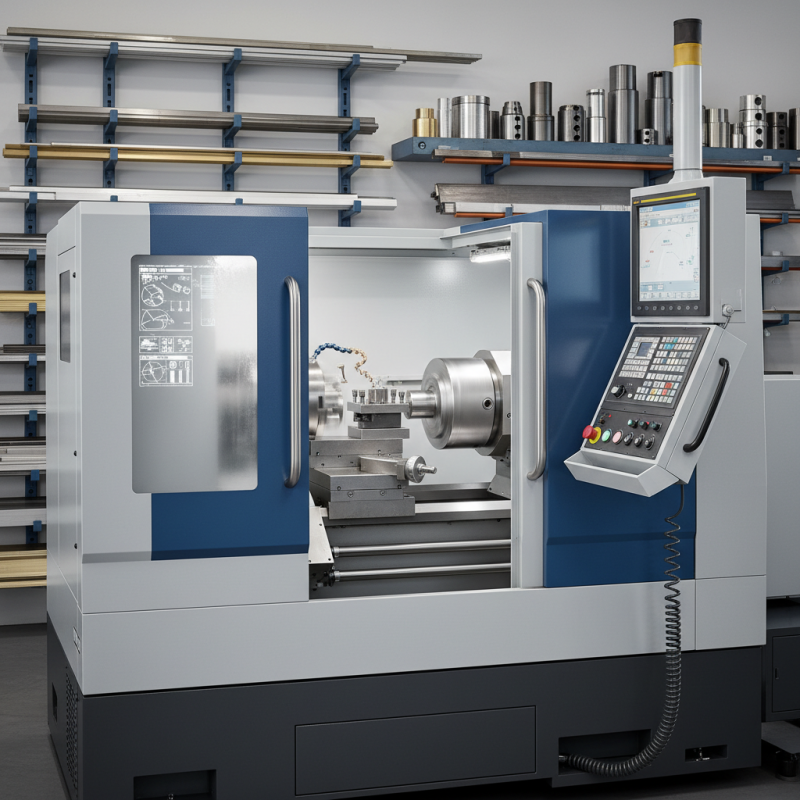
How to Choose the Best CNC Lathe for Your Projects?

Understanding CNC Lathes: Key Features and Specifications

When choosing a CNC lathe, key features and specifications are vital. One must consider the size and capacity of the machine. A larger work envelope allows for more substantial projects, but it may require a larger workspace. Understand the materials you will be working with. Some lathes excel with metals, while others are better for plastics.

Precision is essential in CNC lathes. Look for models that provide high repeatability and tight tolerances. A quality machine should offer at least ±0.005 inches accuracy. Additionally, the spindle speed affects the cutting process. Higher speeds increase efficiency but may require specialized tooling.

Tips: Always review the machine’s specifications thoroughly. Consider the learning curve for operation. Investing time in training can lead to better outcomes. Don’t overlook after-sales support and maintenance options. A reliable warranty is indicative of the manufacturer's confidence in their product. When evaluating options, think about your long-term projects. Choosing the right CNC lathe is a foundational step for success.

How to Choose the Best CNC Lathe for Your Projects? - Understanding CNC Lathes: Key Features and Specifications

Feature Description Importance
Spindle Speed The maximum speed at which the spindle can rotate, measured in RPM. High spindle speed allows for faster machining and better surface finish.
Swing Over Bed The maximum diameter of workpiece that can be machined over the bed. Determines the size of the materials you can work with.
Bed Length The length of the bed of the lathe, which influences the maximum turning length. Essential for accommodating longer workpieces.
Tool Holder Type The system used to hold tools in place, such as quick-change or turret type. Affects setup time and versatility in tooling.
Control System The interface used to program and operate the CNC lathe. User-friendly control systems improve productivity and reduce errors.
Power Requirements The electrical power needed to operate the CNC lathe. Should match available shop power to avoid complications.
Weight The overall weight of the CNC lathe. A heavier machine may have better stability and machining precision.

Assessing Your Project Needs: Material Types and Precision Requirements

When choosing a CNC lathe for your projects, consider the types of materials you'll work with. Metals like aluminum and steel require specific features. For softer materials, basic lathes might suffice. However, tougher materials demand robust machines with higher torque. Understand the compatibility of the lathe with various material types to enhance efficiency.

Precision is another critical factor in selection. Different projects may have varying tolerance levels. For some applications, high precision is vital, while simpler tasks may allow for more leniency. It's essential to balance your need for accuracy with the lathe's capabilities. A less precise machine can lead to wasted materials and time on intricate projects. Reflect on past experiences to gauge the precision you truly require.

Finally, don’t overlook the importance of power and speed options. A lathe's speed settings can affect the quality of the finished product. Consider the range of speeds and how they align with your future projects. It’s a journey filled with trial and error, and sometimes a machine may not meet every expectation. Embrace these challenges as part of your learning process.

Budget Considerations: Cost vs. Performance of CNC Lathes

When selecting a CNC lathe, budget considerations play a crucial role. You’ll find a range of prices on the market. Higher-priced models often promise advanced features and better performance. However, it’s important to reflect on your actual needs. The most expensive CNC lathe may not always be the best option for your projects.

Performance is essential, but it must align with your budget constraints. A more affordable lathe can still deliver good results if you choose wisely. Investigate specifications thoroughly. Pay attention to spindle speed, tooling options, and build quality. Finding the right balance between cost and capabilities is vital.

Many users overlook ongoing maintenance costs. Cheaper machines may require more upkeep, eroding initial savings. Evaluate how often you’ll use the lathe. If it’s infrequent, investing in high-performance equipment might not be necessary. Consider all factors carefully to make an informed decision that genuinely meets your project requirements.

Cost vs. Performance of CNC Lathes

Brand Reputation and Customer Support: Selecting a Reliable Manufacturer

When selecting a CNC lathe, brand reputation and customer support are crucial. A reputable manufacturer often ensures higher quality. Investing in a machine from a respected brand can save you from potential headaches later. Research their history and see how long they’ve been in the market. Longevity often correlates with reliability.

Customer support is another vital aspect. A responsive support team can make a significant difference during setup and troubleshooting. Check if they offer extensive resources like manuals and tutorials. This availability shows they care about their customers. Reading reviews can uncover customers' experiences with their support. It’s about more than just a warranty; it's about ongoing assistance.

Sometimes, brands promise more than they deliver. This disconnect can lead to frustration. Keep an eye out for red flags in reviews. Some manufacturers might have a stellar product but lack in service. Reflecting on these aspects can guide your choice in the right direction. Choose a brand that aligns with your project needs and offers dedicated support. The right partner can elevate your work significantly.

Maintenance and Upgradability: Ensuring Longevity of Your CNC Lathe

Maintaining a CNC lathe is crucial for its longevity. Regular maintenance can prevent costly breakdowns and ensure optimal performance. According to industry reports, machines that receive proper upkeep can last up to 20% longer than those that do not. This includes regular cleaning, lubrication, and inspections of critical components. Small issues can escalate quickly if ignored. Keeping a log of maintenance activities helps track the machine's condition and identify recurring problems.

Upgradability also plays a significant role in choosing a CNC lathe. Technology evolves rapidly, and being able to upgrade parts or software can extend the machine's useful life. Many users report that incorporating new tools or software improves efficiency by 30%. However, not all lathes are designed for easy upgrades. It's essential to choose a model that allows for flexibility in enhancements. Evaluate your current and future project needs before making a decision. This could save time and resources down the line, providing a more sustainable solution.

FAQS

: What should I consider when choosing a CNC lathe?

: Consider the size, capacity, and materials you'll work with. Larger lathes allow for bigger projects.

How important is precision in CNC lathes?

Precision is essential. Look for models with at least ±0.005 inches accuracy for quality results.

What materials can I use with a CNC lathe?

You can use various materials, but metals like aluminum require specific features. Softer materials may need basic lathes.

How does spindle speed affect performance?

Higher spindle speeds can boost efficiency but may need specialized tools. Balance speed with your project needs.

What should I know about after-sales support?

Reliable after-sales support and maintenance options are crucial. A good warranty reflects the quality of the machine.

Is precision always a priority for every project?

Not always. Some projects can tolerate less precision. Reflect on your past to assess your needs accurately.

Can a CNC lathe meet all my expectations?

Sometimes, not all machines meet every expectation. There might be challenges, which are part of the learning process.

How can I improve my CNC lathe operation skills?

Investing time in training is valuable. It can lead to better outcomes and enhance your overall experience.

Why is understanding materials important?

Knowing materials helps enhance efficiency. Tough materials need robust machines with higher torque capabilities.

How should I assess power and speed options?

Consider the speed range alignment with your future projects. A machine’s speed settings impact the final product quality.

Conclusion

When selecting the best CNC lathe for your projects, it's essential to understand the key features and specifications that define these machines. Different projects may require various material types and levels of precision, so carefully assessing your specific needs will ensure you choose a lathe that meets your requirements effectively.

Budget considerations play a critical role in your decision, as the cost of CNC lathes can vary significantly based on performance capabilities. Moreover, selecting a reliable manufacturer with a solid brand reputation and good customer support can enhance your purchasing experience. Finally, think about maintenance and upgradability options for your CNC lathe, as these factors are crucial for ensuring the longevity and adaptability of your investment.

Sophia

Sophia

Sophia is a dedicated marketing professional with an exceptional depth of knowledge about her company's products and services. With a keen understanding of market trends and customer needs, she crafts insightful blog posts that not only inform but also engage readers, enriching the company’s online......