
Fishen
In the evolving landscape of manufacturing, selecting the right Horizontal Machining Center (HMC) is crucial. Industry expert Dr. Michael Burns emphasizes, "The choice of an HMC can define a company's production efficiency." Given the wide array of options, understanding the key features of an HMC is vital for achieving optimal performance.
Consider the precision and speed that modern HMCs offer. Each unit is a blend of technology and craftsmanship, designed to enhance productivity. However, not every HMC is a perfect fit for every business. Companies must reflect on their unique needs and capabilities to select the ideal machine.
The reputation of manufacturers plays a significant role in this decision. An HMC from a credible source often guarantees reliability and support. Still, buyers should remain vigilant. A machine may appear perfect on paper yet lack the performance in real-world scenarios. Thus, thorough research and expert advice are essential when investing in a Horizontal Machining Center.
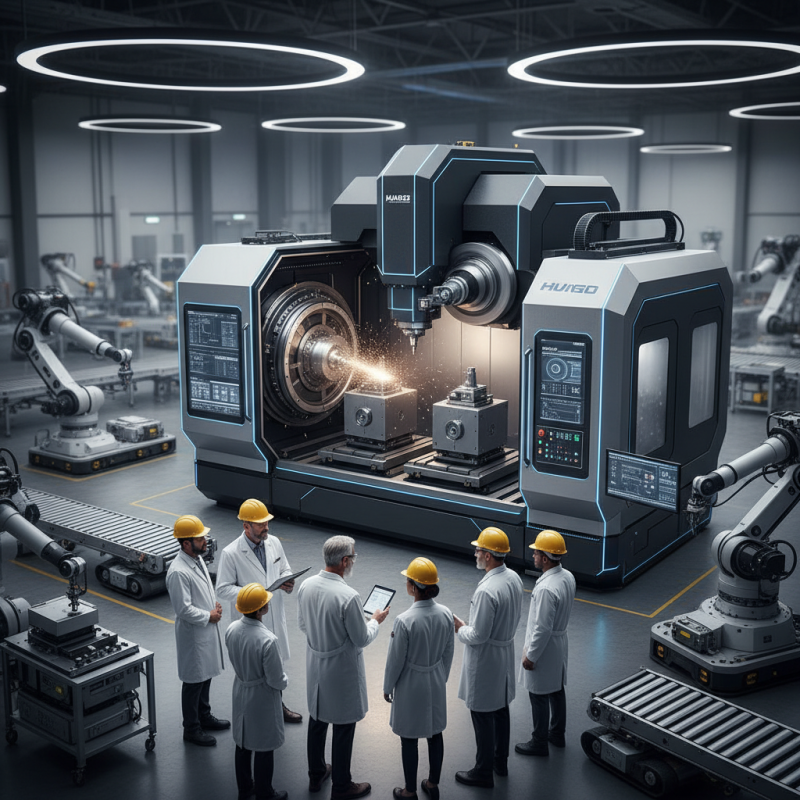
Horizontal machining centers are crucial in modern manufacturing. These machines use a horizontal spindle orientation, allowing for efficient machining of complex parts. They excel in producing precision components in varied materials. Industries such as aerospace and automotive rely on their accuracy and speed. Understanding their definition and applications can greatly impact your production processes.
When selecting a horizontal machining center, consider the specific applications. Analyze the materials you will work with and the size of the parts. It's essential to assess the machine's capabilities in terms of speed and accuracy. A common oversight is underestimating the importance of cutting tools and fixtures. These affect the overall performance significantly.
Tip: Prioritize ease of use and maintenance. A machine that requires extensive training or frequent troubleshooting can lead to delays. Invest time in understanding software requirements and setup processes. This will save operational time in the long run.
Not every machine suits every job. It's beneficial to reflect on past experiences with machining centers. Learning from mistakes, such as poor tool selection or inadequate training, can guide future decisions. Keep an open mind to explore different options and configurations for optimal results.
Choosing the right horizontal machining center can significantly impact your production efficiency. Size and capacity are crucial factors in this decision, as they determine the scale and complexity of the projects you can handle. A larger machine can accommodate bigger workpieces and offer greater versatility. However, it also requires more floor space and investment. Assessing your current and future needs is essential to ensure the machine you select can meet your demands.
Tips: Consider the maximum workpiece size your operations will require. Will you need to process larger materials over time? If you underestimate this aspect, you may find yourself constrained by your equipment in the future.
Capacity also includes spindle speed and power. Machines vary in their ability to handle different materials and complexities. A machining center with higher horsepower can produce parts faster and with better precision. Be cautious, though; more power often leads to higher operational costs.
Tips: Analyze your typical production requirements. Are you working with materials that demand a powerful machine? If so, opting for a more robust model may yield better long-term results, though it demands careful financial consideration.
When choosing a horizontal machining center, understanding precision and speed is vital. Precision affects the quality of your final product. Metrics such as tolerances and repeatability offer insights into a machine's accuracy. Look for centers that provide detailed specifications. A slight variation can lead to significant issues in production.
Speed is equally important. Evaluate the feed rate and spindle speed. Higher speeds can reduce cycle times, increasing efficiency. However, faster doesn’t always mean better. The machine should maintain consistent precision at higher speeds. It's necessary to strike a balance between speed and accuracy.
Consider the application as well. Different projects may prioritize varying metrics. Some tasks may require extreme precision, while others may benefit from speed. Reflect on your specific needs and production volume. A thorough assessment of these factors will guide you to a fitting choice. Don't rush this decision; it's critical for future success.
When budgeting for a horizontal machining center, understanding costs versus value is crucial. A recent industry report revealed that the average cost of these machines can range from $200,000 to over $1 million, depending on capabilities and features. It's important to recognize that while a lower upfront cost can be attractive, it may not offer the long-term value needed for productivity and efficiency.
Consider the total cost of ownership. Maintenance, tooling, and energy consumption can significantly impact your budget. Data shows that operational costs can consume up to 30% of the initial investment annually. Investing in a more reliable center might save money down the line.
Tips: Assess your production needs carefully. Define the materials you'll primarily work with. It’s essential to choose a machine that aligns with these requirements. Also, don't overlook service agreements. A good warranty can safeguard against unexpected repairs.
Additionally, value often lies in the technology. Advanced features can mean better precision and shorter cycle times. However, ensure these features are relevant to your specific applications. Balancing initial costs with potential returns will guide you to a decision that feels both right and responsible.
When choosing a horizontal machining center in 2026, it’s essential to consider the top brands and their technological advancements. Leading manufacturers are now focusing on automation features and energy efficiency. According to a recent industry report, nearly 40% of manufacturers are adopting these technologies, ensuring higher productivity and lower operational costs.
Key aspects to evaluate include precision, speed, and the ability to handle a variety of materials. High-performance models offer spindle speeds exceeding 15,000 RPM and superior rigidity, which translate into improved accuracy. Some models employ advanced cooling systems that maintain temperature consistency during operations, crucial for precision machining.
Tip: Always review the company's service and support options. A strong support system can significantly affect your operational efficiency. Don't overlook user reviews and case studies. Real-world applications can shed light on potential shortcomings and benefits you might encounter.
Another tip for selecting a horizontal machining center is to assess compatibility with existing systems. Integration issues can lead to costly delays and inefficiencies. Prioritize models that offer robust software solutions for seamless communication between machines and personnel.
: Assess the maximum workpiece size for your operations. Larger machines increase versatility but need more floor space.
Capacity includes spindle speed and power. Machines with higher horsepower produce parts faster, but operational costs may rise.
Precision affects product quality. Metrics like tolerances reveal a machine's accuracy, which is critical for production success.
Higher speeds can reduce cycle times, but consistent precision at those speeds is crucial. Balance both for optimal results.
Costs range widely based on features. Lower initial prices can mean higher long-term expenses, impacting productivity.
Maintenance, tooling, and energy can significantly add to costs. Analyze these aspects to understand your true investment.
Advanced technology may enhance precision and cycle times but ensure they are relevant to your specific needs.
Anticipate future projects when selecting a machine. Underestimating requirements can restrict your operations later.
Good warranties can protect against unexpected repairs, reducing unplanned costs associated with machine ownership.
No, take your time to evaluate all factors. This decision significantly affects future production success and efficiency.
The article "2026 How to Choose the Best Horizontal Machining Center?" provides a comprehensive guide for selecting an optimal Horizontal Machining Center to meet various industrial requirements. It begins with an explanation of what Horizontal Machining Centers are and discusses their diverse applications across different sectors. Key factors such as size and capacity are emphasized to ensure the machine fits the production needs, while precision and speed metrics help evaluate performance capabilities.
Moreover, the article highlights the importance of balancing cost and value during the purchasing process, encouraging potential buyers to consider long-term benefits rather than just upfront expenses. Lastly, it outlines the leading brands and cutting-edge technologies in 2026, equipping readers with the knowledge necessary to make informed decisions in acquiring the right Horizontal Machining Center for their operations.
