 Fishen
Fishen
Fishen
Choosing the right CNC Horizontal Machining Center is crucial for precision engineering. This equipment plays a vital role in various industries, from aerospace to automotive. Selecting the appropriate model ensures efficiency and minimizes production costs.
Consider the production volume and part complexity before making a decision. High-volume production may require advanced features, while low-volume tasks can rely on simpler machines. It’s essential to evaluate the machine's capabilities and specifications.
Experience shows that not all machines fit every project. Compatibility with existing tools and software is key. Sometimes, investing in the most expensive option may not yield the best results. Reflecting on specific needs can lead to more informed choices. Ultimately, the right CNC Horizontal Machining Center can significantly enhance productivity and quality.
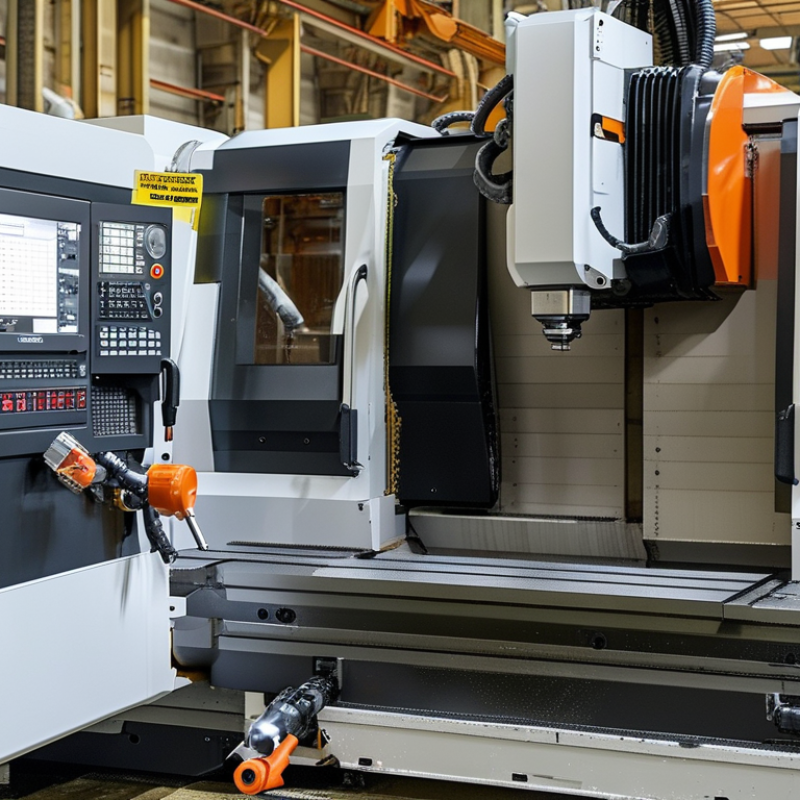
CNC Horizontal Machining Centers (HMCs) have become essential in modern manufacturing. They offer precise machining capabilities and can handle complex geometries. According to a report by Markets and Markets, the CNC machine market is projected to reach $100 billion by 2026. This growth highlights the demand for advanced machining solutions like HMCs.
HMCs provide significant benefits, including improved accuracy and efficiency. Their horizontal design allows for better chip removal and reduced downtime. Studies show that using an HMC can increase productivity by up to 30%. However, choosing the right center requires careful consideration. Factors such as spindle speed, tool capacity, and software compatibility must align with your production needs.
A common mistake is not considering future growth. Scaling up production requires flexibility in equipment. While HMCs offer various benefits, they may not fit every application. Some industries still find vertical machining centers more suitable for their specific needs. Understanding your unique requirements is essential to make an informed decision.
| Feature | Description | Benefits |
|---|---|---|
| Axis Configuration | Typically features 3 to 5 axes for complex part machining. | Enables high precision and flexibility in machining complex geometries. |
| Tool Capacity | Variety in tool capacity ranging from 20 to 120 tools. | Reduces downtime and enhances production efficiency. |
| Workpiece Size | Can accommodate workpieces from small to very large sizes. | Versatility in handling different projects and materials. |
| Control System | Equipped with advanced CNC control systems for automation. | Improves machining accuracy and programming efficiency. |
| Spindle Speed | Typical spindle speeds range from 8000 to 24000 RPM. | Allows for faster material removal and shorter cycle times. |
| Precision | High precision achievable with tolerances as tight as ±0.01 mm. | Essential for producing high-quality parts in industries such as aerospace and medical. |
: The working envelope determines the part sizes you can machine. Ensure it fits your project requirements.
Spindle speed impacts efficiency and surface finish. Higher speeds often enhance outcomes for different materials.
A user-friendly interface improves productivity and accuracy. Rigidity and thermal stability are also crucial factors.
Understanding production volume and material types helps tailor your machine choice to efficiency and capability needs.
Advanced tooling capabilities benefit businesses producing intricate components. Multi-axis operations may require sophisticated models.
Advanced machines boost productivity but can be costly. Analyze profitability and potential returns for sustainable growth.
Cheaper machines may have lower upfront costs but higher maintenance and operational expenses over time.
Brand reputation influences reliability. However, newer brands may offer competitive pricing and capabilities that meet your needs.
It helps prevent regrets post-purchase. Understanding precision, speed, and support is vital for aligning with your productivity goals.
Choosing the right CNC Horizontal Machining Center involves a comprehensive understanding of its advantages, including improved accuracy and efficiency in machining processes. It's crucial to consider key factors such as the machine's specifications, performance metrics, and how they align with your specific production requirements. Evaluating these elements ensures that your chosen CNC Horizontal Machining Center meets your business's operational needs effectively.
Moreover, comparing costs across various brands and understanding the market landscape is essential in making an informed decision. Assessing your business demands against the capabilities of different models will further guide you in selecting a center that optimizes productivity while staying within budget.
