
Fishen Fishen

How to Choose the Best CNC Lathe for Your Business Needs?

Time:2026-08-30 Author:Oliver
0%

Choosing the right CNC lathe is crucial for your business’s success. A CNC lathe can improve production efficiency and precision. However, with numerous models available, decision-making can be overwhelming. You want a machine that fits your specific needs and budget while ensuring high-quality outputs.

Consider the scale of your operations. Smaller businesses might benefit from compact models. Larger manufacturers often require advanced features for heavy-duty tasks. Think about the materials you’ll work with. Not all lathes handle every material equally. Furthermore, the level of automation can significantly affect productivity. Some CNC lathes offer advanced programming and allow for greater customizability.

It's essential to assess the support and training available from suppliers. Quality customer support can enhance your operation. Investing in a CNC lathe without proper understanding may lead to regrets. Reflect on your long-term goals. A well-chosen CNC lathe can boost your business for years to come.
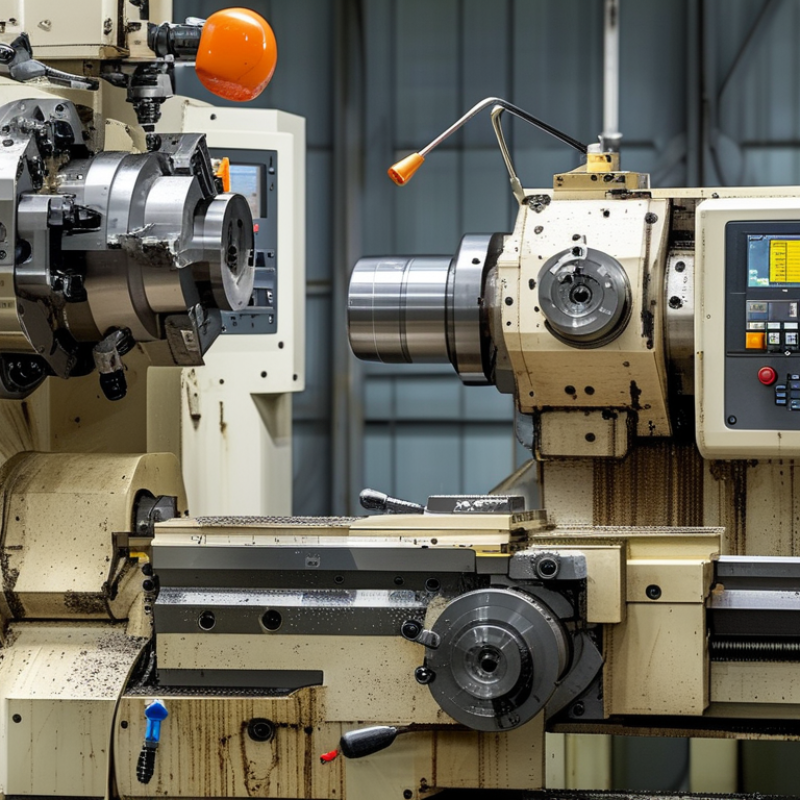
How to Choose the Best CNC Lathe for Your Business Needs?

Understanding CNC Lathe Basics and Their Applications

CNC lathes are vital in modern manufacturing. Understanding their basics can help in selecting the right one. CNC, or Computer Numerical Control, refers to automated processes. The lathe shapes materials, such as metal and plastic, by spinning them against cutting tools. This method offers precision and efficiency.

Different types of CNC lathes exist. Each type serves specific applications, from prototyping to mass production. A basic CNC lathe can perform simple turning operations. More advanced models integrate additional features. Features might include live tooling and multi-axis capabilities. Choosing a machine requires understanding your needs and production goals.

Many businesses make hurried decisions. They might overlook machine specifications and capabilities. This can lead to inefficiencies. It's crucial to assess your part complexity and required tolerances. Consider the materials you will use. Reflecting on these aspects can minimize costly mistakes and improve productivity.

Identifying Your Business Requirements for a CNC Lathe

When selecting a CNC lathe, understanding your business requirements is crucial. Analyzing your production volume is a good starting point. For instance, a report by the Machinery Growth Association indicates that 70% of small manufacturers see a need for high precision in small batches. If your operation focuses on low-volume, high-precision parts, then a high-end CNC lathe with advanced features may be essential.

Next, consider the materials you will be working with. Many lathes excel in specific materials, such as plastics or metals. According to recent industry studies, 60% of machining failures can be traced back to inappropriate machine choice concerning materials. It’s important to match the capabilities of the lathe with your material requirements.

Operational flexibility is another aspect to evaluate. If your business demands frequent design changes, investing in a more adaptable CNC lathe could save you time and money. Companies that fail to update their equipment may struggle to compete, as 40% of businesses report losing contracts due to outdated technology. Reflecting on these factors will help you make a more informed decision when purchasing a CNC lathe, ensuring it aligns with your specific needs.

Evaluating Key Features of CNC Lathes to Consider

When selecting a CNC lathe, examining key features is crucial for your business. Start with the machine's capabilities. Look at the spindle speed and torque ratings. These affect how quickly and efficiently the lathe can process materials. A higher spindle speed generally means faster production times. However, it can impact the quality of intricate designs.

Next, consider the control system. A user-friendly interface can significantly enhance productivity. Systems with advanced programming options allow for greater flexibility in manufacturing. It's vital to weigh the learning curve against the potential for increased output. Longevity and durability also matter. Research the materials used in construction. A well-built lathe should withstand heavy use over time.

Don't overlook the importance of after-sales support. Having access to quality technical assistance can make or break your operations. Sometimes, the most reliable lathe isn't the one with the most features. Reflection on specific operational needs is essential. Avoid getting distracted by flashy designs or unnecessary functionalities. Instead, prioritize performance and support as your primary criteria for selection.

Comparing CNC Lathe Brands and Models in the Market

When selecting a CNC lathe for your business, brand and model comparison is critical. Market research indicates that over 50% of manufacturers favor high-speed precision lathes for their efficiency. These machines reduce cycle time, significantly impacting overall productivity. Brands vary in features, control systems, and reliability. This variety makes direct comparisons essential.

Look at user feedback and industry reports. According to a recent survey by a leading manufacturing organization, more than 60% of users experience issues with maintenance and software updates. This statistic suggests that while certain brands may have superior mechanics, their support systems may lag. Choosing a model with strong customer service can save time and frustration.

Size and capacity are also crucial aspects. A recent analysis showed that compact lathes are gaining popularity, especially in small shops. These models offer flexibility without sacrificing power. However, they may have limitations in handling larger production runs. Assessing your specific production needs is vital to avoid potential inefficiencies.

Calculating Total Cost of Ownership for Your CNC Lathe επιλογές

When selecting a CNC lathe, calculating the total cost of ownership is crucial. Many businesses focus solely on the initial purchase price. However, this mindset can lead to unexpected long-term expenses. Consider factors such as maintenance, tooling, and energy consumption. These costs can significantly impact your budget over time.

Another important aspect is the machine's lifespan and reliability. A higher-priced lathe might offer better durability, reducing repair costs and downtime. Evaluate your production needs carefully. Sometimes, a less expensive model may require frequent repairs or replacements. This can quickly negate any initial savings.

Training and skill development are also part of the total cost. Is your team familiar with the chosen CNC lathe? If not, additional training costs must be factored in. Overlooking this can strain resources and slow down production. It's vital to weigh all these components to make an informed decision. A comprehensive analysis ensures your investment serves your business needs effectively.

FAQS

: What should I consider when selecting a CNC lathe?

: Focus on the machine's capabilities, like spindle speed and torque ratings. These factors affect efficiency.

How important is the control system in a CNC lathe?

A user-friendly interface enhances productivity. Advanced programming options provide more manufacturing flexibility.

Why is after-sales support essential for CNC lathes?

Quality technical assistance can greatly impact operations. Reliable support prevents potential issues.

What role does user feedback play in choosing a CNC lathe?

It provides insight into maintenance and software update issues. This can influence your choice.

Are compact CNC lathes a good option for small shops?

Yes, they offer power and flexibility. However, they may struggle with larger production runs.

How can I calculate the total cost of ownership for a CNC lathe?

Consider initial purchase, maintenance, tooling, and energy costs. These factors impact long-term budgeting.

Should I prioritize durability over initial cost?

Yes, a durable lathe may reduce repair costs and downtime. Don’t overlook long-term expenses.

What other factors might affect my CNC lathe decision?

Training and skill development for your team can add costs. Factor these into your overall analysis.

Can flashy designs distract from important features?

Yes, focusing on appearance can lead to choosing less efficient machines. Performance should be prioritized.

Is it worth investing in higher-priced CNC lathes?

Sometimes, yes. However, assess durability against potential long-term expenses. Balancing cost and reliability is key.

Conclusion

Choosing the best CNC Lathe for your business involves a thorough understanding of its basic functionalities and applications. First, it’s essential to identify your specific business needs to ensure the CNC Lathe you select can meet production demands. Key features such as precision, automation capabilities, and tooling options should also be evaluated, as they significantly influence performance and efficiency.

Additionally, comparing various CNC Lathe brands and models is crucial to make an informed decision. Considerations should include technological advancements and user feedback. Finally, calculating the total cost of ownership—including initial purchase price, maintenance, and operational costs—will help you assess the financial implications of your investment, ensuring the CNC Lathe aligns with your overall business strategy.

Oliver

Oliver

Oliver is a seasoned marketing professional with a wealth of expertise in driving brand awareness and engagement. With a deep understanding of our company's product offerings, he consistently delivers high-quality content that enriches our professional blog. His insights not only shed light on......