 Fishen
Fishen
Fishen
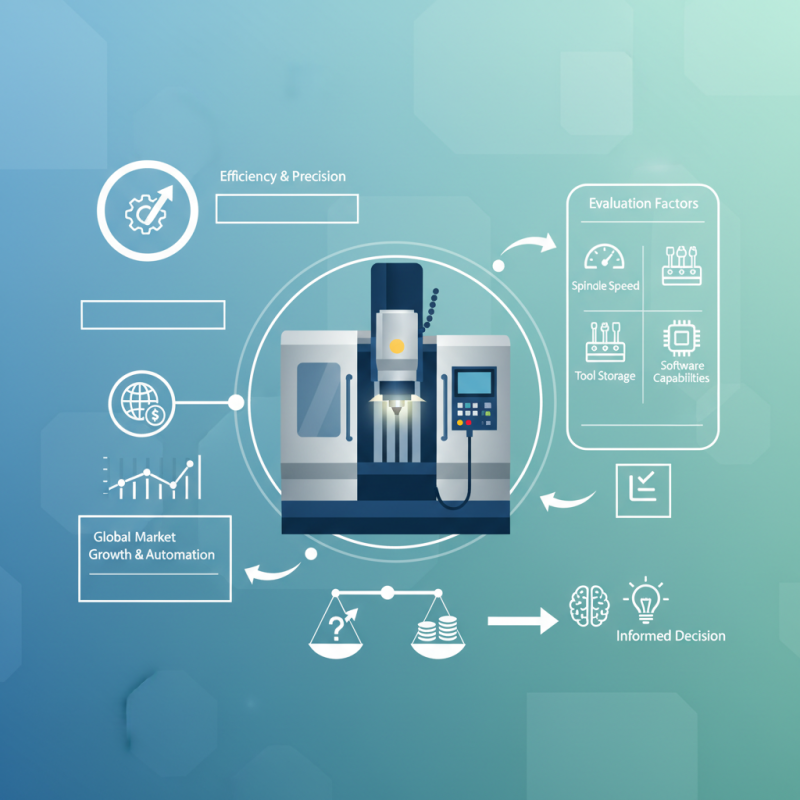
In the rapidly evolving landscape of manufacturing, selecting the right Vertical CNC Machine can significantly impact efficiency and precision. According to recent industry reports, the global CNC machine market is projected to surpass $100 billion by 2026, driven by innovations in automation and an increasing demand for custom parts. Vertical CNC machines, known for their ability to create high-quality components with intricate details, have become essential tools in various sectors.
Choosing the best machine involves understanding specific needs and requirements. Factors such as spindle speed, tool storage capacity, and software capabilities must be carefully evaluated. The right Vertical CNC Machine can enhance production workflows and reduce downtime, ultimately leading to higher profitability. However, some manufacturers struggle to identify the features crucial for their operations. This often results in investment in machines that do not fully meet their needs.
Reflecting on these challenges, it becomes clear that a thorough assessment of one’s operational goals is essential. While advanced features may seem appealing, they may not always align with practical applications. Weighing the benefits of flexibility against cost-efficiency is vital in making an informed decision.
Choosing the right vertical CNC machine starts with a clear understanding of your machining needs. What materials will you work with? Aluminum, steel, and plastics each require different approaches. Knowing these details helps narrow down your options significantly. Consider the type of production you aim for: are you focused on prototyping or mass production? This choice directly impacts the machine's capabilities.
Specifications play a crucial role in selecting a CNC machine. Pay attention to the spindle speed and feed rate. These factors determine the efficiency of your machining process. A high spindle speed might be beneficial for harder materials, but it often comes with increased costs. Don't overlook machine size and weight; they influence stability and durability. Ensure your workspace can accommodate the new equipment.
Reflect on your long-term goals too. Investing in a CNC machine is significant. A machine that meets your current needs may not suffice years down the line. Additionally, consider the learning curve for your team. New technology can introduce complexities, making training essential. Balancing immediate requirements with future adjustments is key. Each decision shapes your machining journey.
: Axis configuration significantly affects precision and flexibility. A three-axis setup allows essential movements, but a five-axis may be better for advanced work.
The machine's working envelope must accommodate your largest components. A size mismatch can lead to inefficiencies and increased setup time.
Innovations improve speed, precision, and automation. They enable high accuracy with reduced manual intervention, enhancing overall production efficiency.
Training staff on new software is essential but can be time-consuming. Balancing technology benefits with the need for skilled operators is crucial.
Maintenance, tooling, and software can add substantial annual costs. Companies should budget for these ongoing expenses to avoid financial strain.
Prices typically range from $30,000 to $150,000. This depends on features and capabilities, so careful research is necessary.
A well-trained operator enhances productivity, but training costs can be high, ranging from $1,000 to $5,000 per person.
Not necessarily. Some features may require more maintenance or have reliability issues. Weighing the pros and cons is important.
Innovations in materials can improve durability. However, not every new feature ensures superior performance or low maintenance needs.
Consider how current assets serve your needs and the potential for future projects. This reflection leads to more informed investment decisions.
Choosing the best Vertical CNC Machine for your needs involves a thorough understanding of your specific machining requirements and technical specifications. Begin by exploring the various types of vertical CNC machines available, which can cater to different applications and industries. Evaluate key features such as axis configuration and machine size, as these will significantly influence the precision and efficiency of your operations.
Moreover, it’s essential to assess the latest technological innovations in CNC machinery that can enhance productivity and offer advanced functionalities. Lastly, budgeting for your vertical CNC investment requires a careful comparison of costs, ensuring that you balance quality and affordability. By addressing these key considerations, you can make an informed decision that aligns with your manufacturing goals.
