
Fishen Fishen

How to Choose the Best Vertical Machine from China?

Time:2026-09-19 Author:Amelia
0%

Choosing the best Vertical Machine from China requires more than comparing prices or spindle speeds. It demands evidence.

China remains a major force in global machine-tool manufacturing. Gardner Intelligence’s World Machine Tool Survey consistently places China among the world’s largest machine-tool producers and consumers. Reports from the China Machine Tool Industry Association also show strong demand for automated, high-precision equipment across automotive, aerospace, electronics, and general engineering sectors.

The market is broad.

That creates opportunity, but also confusion. A capable Vertical Machine should match your material, workpiece size, tolerance, batch volume, and operator skill. A 12,000 rpm spindle may sound impressive, yet it cannot compensate for weak thermal control or poor tooling support. Buyers should examine positioning accuracy and repeatability under ISO 230-2 testing conditions. They should also request documented inspection results, not attractive brochure claims.

Supplier reliability matters equally. ISO 9001 certification can indicate structured quality procedures, but it does not guarantee consistent machine performance. Ask for factory videos, customer references, component brands, software details, service response times, and spare-parts availability. Check whether the machine’s electrical and safety systems meet the requirements of your destination market, including relevant ISO 16090-1 principles.

Some assumptions may be wrong.

The cheapest quotation can become expensive after installation, training, downtime, and retrofitting. Conversely, the most expensive model may offer features your workshop never uses. This guide evaluates Chinese Vertical Machine suppliers through measurable performance, lifecycle cost, technical support, and application fit. It also recognizes an uncomfortable truth: specifications alone cannot reveal how a machine behaves on your shop floor.
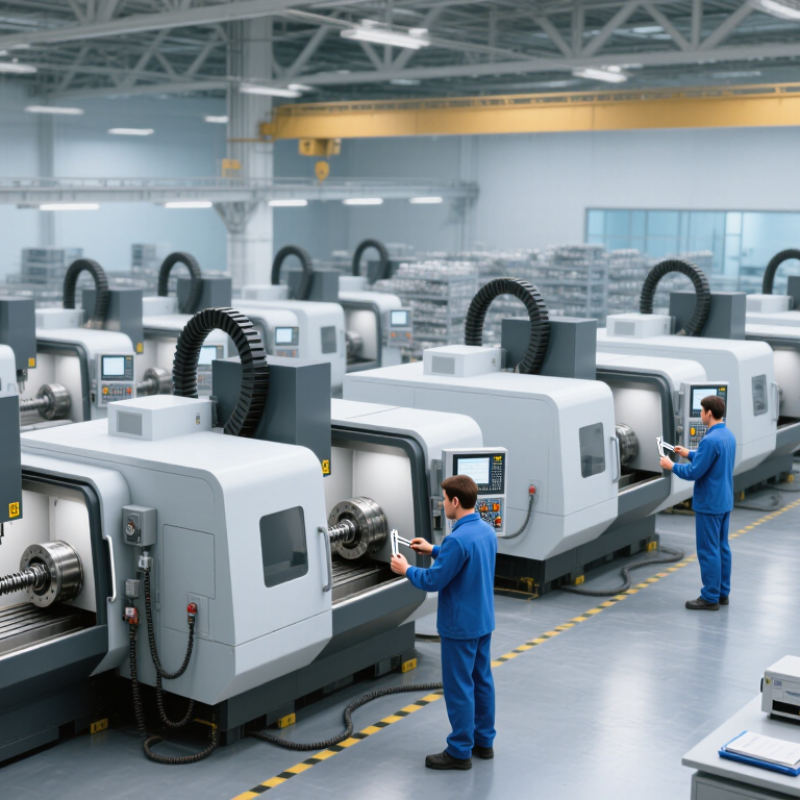
How to Choose the Best Vertical Machine from China?

Understanding Vertical Machines and Their Main Applications

Choosing the best vertical machine from China starts with understanding how it works. A vertical machine holds the spindle above the workpiece. The tool moves downward, across, or along the material. This structure gives operators clear access to the cutting area. It also supports accurate setup and convenient inspection.

In daily production, vertical machining centers handle milling, drilling, tapping, and light boring. They are useful for aluminum brackets, steel fixtures, molds, and prototype parts. Small workshops often prefer them because one machine can perform several operations. A compact model may fit limited floor space. A larger model offers more travel for heavier workpieces. However, size alone does not prove performance. I have seen oversized machines waste energy on simple components. Application details matter more.

When choosing from China, compare spindle speed, table load, axis travel, control functions, and positioning accuracy. Ask for test-cut videos and actual inspection records. A reliable supplier should explain tolerance results, maintenance access, and replacement-part availability. Request a sample cut using your material and drawing. It can reveal vibration, surface marks, or slow tool changes. These details are easy to miss.

Think about the operator, too. A clear interface reduces training time. Good lighting helps during setup. Safety guarding must match local requirements. Some published specifications may look impressive but lack working conditions. That is where careful questioning becomes necessary. I would also check factory assembly procedures, calibration methods, and final testing documents before placing an order.

How to Choose the Best Vertical Machine from China?

Understanding Vertical Machines and Their Main Applications

The chart compares representative maximum spindle-speed levels commonly used for different vertical machining applications. General-purpose machining usually operates at moderate speeds, while aluminum, mold, and die work often requires higher spindle speeds for improved surface finish and productivity. Actual specifications vary according to machine structure, tooling, material, and cutting conditions.

Defining Your Machining Requirements and Production Goals

How to Choose the Best Vertical Machine from China?

Defining your machining requirements should come before comparing suppliers. Experienced production teams record the largest workpiece, material type, required tolerances, and expected batch size. A steel housing may need more spindle torque than an aluminum bracket. Check the machine’s X, Y, and Z travels against your actual fixture and tool setup. Leave room for clamping. Tight clearance creates daily frustration.

Production goals also shape the machine’s configuration. Estimate annual parts, cycle time, shift patterns, and future product changes. A high-speed spindle may improve aluminum work, while a rigid structure supports repeated steel cutting. Review spindle power, tool capacity, rapid-feed rates, coolant delivery, and control functions. Ask for test-cut data using comparable material. Numbers on a brochure are not enough.

Reliability includes more than mechanical accuracy. Request inspection records, positioning-test results, electrical standards, spare-parts support, and operator training details. Define acceptance criteria before placing an order, including surface finish, dimensional accuracy, and trial-production output. It is easy to overestimate future demand. I have seen buyers choose excessive capacity, then struggle with unused equipment and higher maintenance costs. A smaller machine may be better, but only when its work envelope and duty cycle match real production. Leave measurable room for growth, not vague optimism.

Comparing Machine Specifications, Features, and Configurations

Choosing a vertical machine from China requires more than comparing price tags. Compare usable travel, table load, spindle taper, speed, torque, and tool capacity. A 1,000 mm X-axis may look generous, but fixtures and clamping space reduce real working room. Measure the largest part, then allow clearance for chips, probes, and maintenance access.

Accuracy needs evidence. Ask for positioning accuracy and repeatability tested under ISO 230-2 conditions. Request the machine’s inspection report, not only brochure figures. Thermal stability matters during long cuts. A liquid-cooled spindle, temperature compensation, and a rigid cast structure can protect dimensional consistency. I once focused too heavily on maximum spindle speed. That shortcut was costly. High speed means little when torque drops during heavy roughing.

Configuration should match production habits. A 24-tool changer, chip conveyor, through-spindle coolant, probing, and a fourth axis may reduce handling time. However, unnecessary options increase maintenance points and training demands. The International Federation of Robotics reported 276,288 industrial robots installed in China during 2023, representing 51% of global installations. This indicates a strong local automation ecosystem, but it does not guarantee every machine is automation-ready. Check communication protocols, controller compatibility, safety circuits, and remote diagnostics. Also compare electrical standards and replacement-part availability. Request a sample cut using your material and tooling. Numbers matter. Actual chips matter more.

Evaluating Chinese Manufacturers, Quality, and Certifications

Choosing the best vertical machine from China requires more than comparing prices. The manufacturer’s engineering experience matters. Ask how long the factory has produced similar machines and which industries it serves. Request production photos, inspection records, and a video of a finished machine under load.

Quality should be checked through measurable details. Review casting material, spindle runout, positioning accuracy, repeatability, and thermal stability. Ask for a sample test using your actual workpiece. A clean surface finish is useful evidence. So is consistent dimensional data. I once focused too heavily on machine specifications and overlooked operator training. That mistake can become expensive.

Certifications also need careful verification. Check whether ISO 9001 covers the actual manufacturing site and current production scope. For electrical and export requirements, confirm applicable CE documentation, safety tests, and declarations from authorized sources. Certificates should show valid dates, product categories, and traceable registration details. A certificate alone proves little. Visit the factory if possible, or hire an independent inspector to examine assembly, wiring, lubrication, and final testing. Reliable suppliers welcome difficult questions and provide clear corrective actions when defects appear. Their communication may not be perfect, but their records should be consistent. Ask for spare-parts support, warranty procedures, and response times before signing any purchase agreement.

Checking Total Costs, Service Support, and Delivery Terms

Choosing a vertical machine from China requires more than comparing spindle speed and purchase price. Build a landed-cost sheet covering the machine, tooling, packing, freight, insurance, import duties, installation, training, and electricity.

Deloitte’s 2023 Smart Manufacturing Survey found that manufacturers reported average improvements of 10% or more in production capacity, output, and labor productivity after digital upgrades.

That value disappears when commissioning delays or unsuitable tooling reduce uptime.

Ask for a written quotation with clear Incoterms, delivery dates, warranty coverage, and payment milestones. Confirm whether the supplier handles export clearance, inland transport, and port charges.

Delivery promises need evidence. Request recent production records, inspection reports, and a factory acceptance test using your actual material and machining program.

A machine delayed for eight weeks can cost more than a modestly higher purchase price. It happens.

Service support deserves equal attention. Check response times, remote diagnostics, spare-part availability, and technician travel costs.

The International Federation of Robotics reported over 541,000 industrial robots were installed globally in 2023, showing how quickly manufacturing equipment is becoming more complex and connected.

Your team may need training for controls, lubrication, calibration, and network security. Budget for preventive maintenance, even when the supplier says the machine is “low maintenance.”

I would also keep a contingency reserve of 5% to 10% of landed cost. It may feel excessive, but customs changes, replacement sensors, and local installation rarely follow the original spreadsheet.

FAQS

Which specifications matter most when comparing a vertical machine?

Compare usable travel, table load, spindle taper, speed, torque, and tool capacity. A 1,000 mm axis may offer less working room after clamping. Measure your largest part and leave space for chips, probes, and maintenance.

How can I verify machine accuracy?

Request positioning accuracy and repeatability results tested under ISO 230-2 conditions. Ask for inspection reports, not only brochure figures. A sample cut reveals more.

Why are spindle speed and torque both important?

High speed helps with suitable materials and finishing operations. However, torque may drop during heavy roughing. I once focused too much on maximum speed. That shortcut was costly.

Which machine options can improve production efficiency?

A tool changer, chip conveyor, through-spindle coolant, probing, or fourth axis may reduce handling time. Choose options that match your regular workpieces. Extra features create more maintenance and training demands.

How should I evaluate a manufacturer’s quality?

Ask about similar machines, production experience, and served industries. Request casting details, spindle runout data, inspection records, and production photos. A video showing a finished machine under load can provide useful evidence.

What should I check about certifications and factory inspections?

Confirm that quality certificates cover the actual manufacturing site and current production scope. Check valid dates, product categories, and traceable registration details. A certificate alone proves little. Visit the factory or hire an independent inspector when possible.

What costs should be included beyond the purchase price?

Include tooling, packing, freight, insurance, duties, installation, training, and electricity. Also budget for maintenance, replacement sensors, and local technician support. A 5% to 10% contingency reserve may prevent unpleasant surprises.

How can I reduce delivery and commissioning risks?

Request clear delivery dates, payment milestones, warranty terms, and shipping responsibilities. Require production records and a factory acceptance test using your material and program. An eight-week delay can outweigh a slightly higher purchase price.

What service support should I confirm before ordering?

Ask about response times, remote diagnostics, spare parts, technician travel costs, and training. Confirm support for controls, lubrication, calibration, and network security. Low maintenance does not mean maintenance-free.

Conclusion

Choosing the best Vertical Machine from China begins with understanding how vertical machining equipment works and which applications it is designed to support. Buyers should first define their machining requirements, including material types, workpiece dimensions, accuracy, production volume, spindle performance, tooling needs, and automation goals. These factors help determine the most suitable machine structure, configuration, and capabilities for efficient long-term production.

A careful comparison of specifications, control systems, machine construction, safety features, and optional functions is essential. Buyers should also evaluate manufacturers according to production experience, quality-control procedures, testing standards, and relevant certifications. Beyond the purchase price, the total cost should include installation, training, maintenance, spare parts, energy use, and transportation. Clear communication about warranty coverage, technical support, delivery schedules, payment conditions, and after-sales service can reduce risks and ensure that the selected Vertical Machine delivers reliable performance and lasting value.

Amelia

Amelia

Amelia is a seasoned marketing professional with a wealth of expertise in our company’s core offerings. With an unwavering passion for driving growth and innovation, she plays a pivotal role in shaping our marketing strategies and enhancing brand visibility. A key aspect of her responsibilities......