
Fishen Fishen

What is a Cnc Vertical Milling Machine and How to Choose One?

Time:2026-05-28 Author:Henry
0%

A CNC vertical milling machine is a vital tool in modern machining and manufacturing. These machines are designed to automate complex processes and enhance precision. They are essential for various industries, including aerospace, automotive, and engineering. Understanding how to select the right CNC vertical milling machine can significantly impact operational efficiency.

When choosing a CNC vertical milling machine, factors such as size, power, and capabilities must be considered. Each project may require different specifications. Operators need to evaluate their specific needs and align them with the machine's features. Sometimes, even slight miscalculations can lead to inefficiencies. A machine that seems perfect may not fit specific production demands.

Knowledge of material compatibility and tooling options is equally crucial. CNC vertical milling machines offer versatility, but not every machine suits every task. It’s essential to reflect on your requirements before committing to a purchase. Proper planning and understanding can prevent future challenges in the machining process.
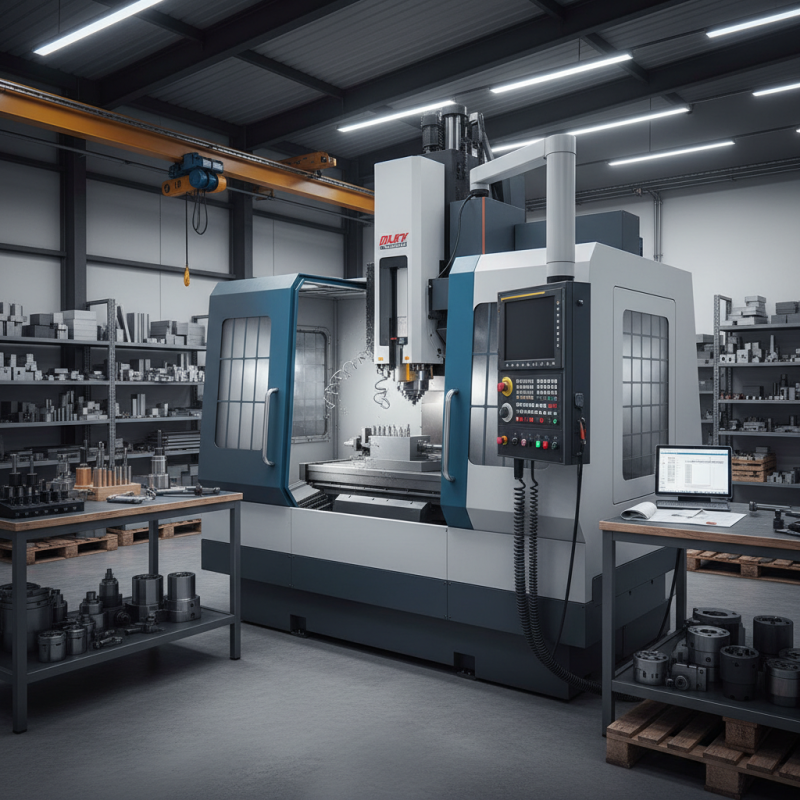
What is a Cnc Vertical Milling Machine and How to Choose One?

What Is a CNC Vertical Milling Machine? Understanding the Basics

A CNC vertical milling machine is a vital piece of equipment in modern manufacturing. It uses computerized controls to operate a vertically oriented cutting tool. This technology allows for precise shaping and finishing of materials such as metals and plastics. According to a report by IBISWorld, the CNC machining industry generated approximately $13 billion in revenue in 2022. This figure underscores the significance of vertical milling machines in optimizing production efficiency.

Understanding the components of a CNC vertical milling machine is crucial for effective usage. The machine features a spindle, which holds the cutting tool, and a worktable, where the material is mounted. The movement of the spindle and table can be accurately controlled, allowing for intricate designs and tighter tolerances. In fact, a study by MarketsandMarkets projects a growth rate for CNC milling machines of around 7% annually until 2025. This suggests that manufacturers are increasingly investing in this technology for enhanced productivity.

While these machines offer numerous advantages, they are not without their challenges. Operators require extensive training to maximize their capabilities. Moreover, the initial investment can be substantial, posing a barrier for small businesses. Operators must regularly maintain equipment to prevent costly downtimes. Balancing the benefits against these considerations is essential for any business looking to invest in CNC vertical milling technology.

What is a Cnc Vertical Milling Machine and How to Choose One?

Feature Description
Type CNC Vertical Milling Machine
Control System Computer Numerical Control
Spindle Speed Up to 10,000 RPM
Table Size 30" x 12"
Max Travel X-axis 30 inches
Max Travel Y-axis 12 inches
Max Travel Z-axis 16 inches
Tool Capacity 16 tools
Weight 3,000 lbs
Materials Machined Aluminum, Steel, Plastic

Key Components and Features of CNC Vertical Milling Machines

CNC vertical milling machines are essential for precision machining. Key components determine their performance. The spindle, for instance, holds the cutting tool. A high-quality spindle enhances accuracy and speeds up production.

The table is another significant feature. It supports the workpiece and can move in multiple axes. Look for machines with a sturdy table, as this leads to better stability. The controls are equally important. User-friendly interfaces allow for quick adjustments and reduce errors.

Tips: Assess the machine’s rigidity. A rigid machine improves cutting efficiency. Also, consider the tool changers. Automated tool changers save time and streamline workflows. Check the specifications carefully before making a choice. Not every feature fits all tasks. Sometimes, simplicity is better. Reflect on your specific needs to find the optimal machine for your operations.

Applications of CNC Vertical Milling Machines in Various Industries

CNC vertical milling machines play a vital role in various industries. They are widely used in automotive, aerospace, and manufacturing sectors. Their precision allows for intricate designs and complex parts. According to a recent industry report, the global CNC machining market is expected to reach $100 billion by 2025. This indicates growing demand and reliance on these machines.


Automotive companies utilize CNC vertical milling machines for producing engine blocks and transmission parts. Aerospace manufacturers benefit from the machines when crafting lightweight components. Additionally, in electronics, these machines help create circuit boards. The versatility of CNC machines enhances productivity across different fields.


Tips: When selecting a CNC vertical milling machine, consider its spindle speed and torque. Understand your production needs. Don't overlook ease of use in the software.


While these machines are powerful, they come with challenges. Maintenance issues can arise, leading to downtime. Training operators effectively is crucial for maximizing efficiency. Missing out on operator education can result in increased errors and costs. Investing in regular training pays off long-term.

Critical Factors to Consider When Choosing a CNC Vertical Milling Machine

When selecting a CNC vertical milling machine, several critical factors come into play. Precision is paramount. According to a report by the International Federation of Robotics, precision machining contributes to up to 20% efficiency gains in production. Choosing a machine with consistently high accuracy is essential. Look for models with minimum backlash and excellent spindle design.

Additionally, consider the machine's versatility. Many modern CNC vertical mills offer a range of capabilities, from basic milling to complex 3D machining. A Market Research Future report indicates that the versatility of CNC machines can lead to a 30% reduction in operational costs. Evaluating the types of materials the machine can handle will ensure it meets your business needs.

Another factor is software compatibility. Many manufacturers provide advanced software solutions for seamless integration. The right software can significantly optimize machining processes. However, pay attention to the learning curve; it's vital for your team to adapt quickly. Addressing these aspects can lead to better decision-making in your investment.

CNC Vertical Milling Machine Features Comparison

An Overview of CNC Vertical Milling Machine Manufacturers and Market Trends

The CNC vertical milling machine market is experiencing significant growth. According to a recent industry report, the market is projected to reach USD 2 billion by 2026, with a CAGR of 6% from 2021 to 2026. This growth is driven by advancements in technology and increased automation in manufacturing processes.

Several manufacturers are leading the charge, offering a variety of machines tailored for different industrial needs. Many companies focus on precision and user-friendly interfaces. However, selecting the right CNC vertical milling machine can be challenging due to the vast range of options available. Buyers need to evaluate features such as spindle speed, table size, and software compatibility.

Moreover, market trends indicate a shift towards hybrid machining solutions, merging traditional milling with additive technologies. This raises questions about the role of CNC machines in the future. As companies invest heavily in advanced machinery, they must also consider maintenance costs and training for operators. Investing in outdated technology can be a costly mistake, emphasizing the need for thorough research and informed decision-making.

FAQS

: What is a key component of CNC vertical milling machines?

: The spindle holds the cutting tool. A quality spindle improves accuracy and speeds up production.

Why is the table important on a CNC milling machine?

The table supports the workpiece and moves in multiple axes. A sturdy table ensures better stability during machining.

What should I consider about machine rigidity?

Assessing rigidity is vital. A rigid machine enhances cutting efficiency and reduces errors during operation.

How do automated tool changers improve workflow?

Tool changers save time by allowing quick tool swaps. This streamlines processes and boosts overall productivity.

Why is precision crucial in CNC milling?

Precision directly impacts production efficiency. Machines with high accuracy can increase output significantly.

What are some challenges in using CNC vertical milling machines?

Maintenance issues can lead to downtime. Proper training for operators is necessary to minimize errors and costs.

How important is software compatibility when choosing a CNC machine?

It is essential for seamless integration. User-friendly software boosts optimization, but consider the learning curve.

What industries commonly use CNC vertical milling machines?

They are used in automotive, aerospace, and manufacturing. Their precision allows for intricate designs and complex parts.

What should I reflect on before selecting a CNC machine?

Consider your specific production needs. Not every feature suits all tasks; sometimes, simplicity is best.

Can versatility of CNC machines impact costs?

Yes, versatile machines can lead to lower operational costs. Evaluate the types of materials they can handle.

Conclusion

A CNC vertical milling machine is a versatile tool widely used in manufacturing, characterized by its vertical spindle orientation, which allows for precise machining of various materials. Understanding the basic components and features of these machines is essential for selecting the right one for specific applications, ranging from aerospace to automotive industries.

When choosing a CNC vertical milling machine, critical factors such as machine size, spindle speed, and control systems must be considered to ensure optimal performance for the intended tasks. Additionally, staying informed about market trends and different manufacturers can provide valuable insights into the best options available, ultimately leading to better investment decisions in CNC technology.

Henry

Henry

Henry is a dedicated marketing professional with a profound expertise in the company's offerings. With years of experience in the industry, he possesses an impressive understanding of the market dynamics and consumer behaviors that drive success. Henry is committed to sharing his insights through......