
Fishen Fishen

5 Essential Tips for Choosing a 5 Axis Machining Center?

Time:2026-08-20 Author:Mason
0%

Choosing the right 5 Axis Machining Center can significantly impact your manufacturing capabilities. With the growing need for precision machining, understanding the key factors in selecting such a machine is essential. Many manufacturers face challenges in this process, often overlooking critical details.

A 5 Axis Machining Center offers advanced flexibility and efficiency. However, not all centers are created equal. It’s vital to consider your specific requirements, including part complexity and material types. Failing to assess these aspects can lead to costly mistakes. A well-suited machining center will enhance productivity and improve product quality.

It is also important to evaluate vendor reputation and support. A trusted brand can provide better service and reliability. Always do thorough research before making a decision. Gaining insights from industry experts can guide you toward making an informed choice. The right 5 Axis Machining Center can transform your operations, but it requires thoughtful consideration and planning.
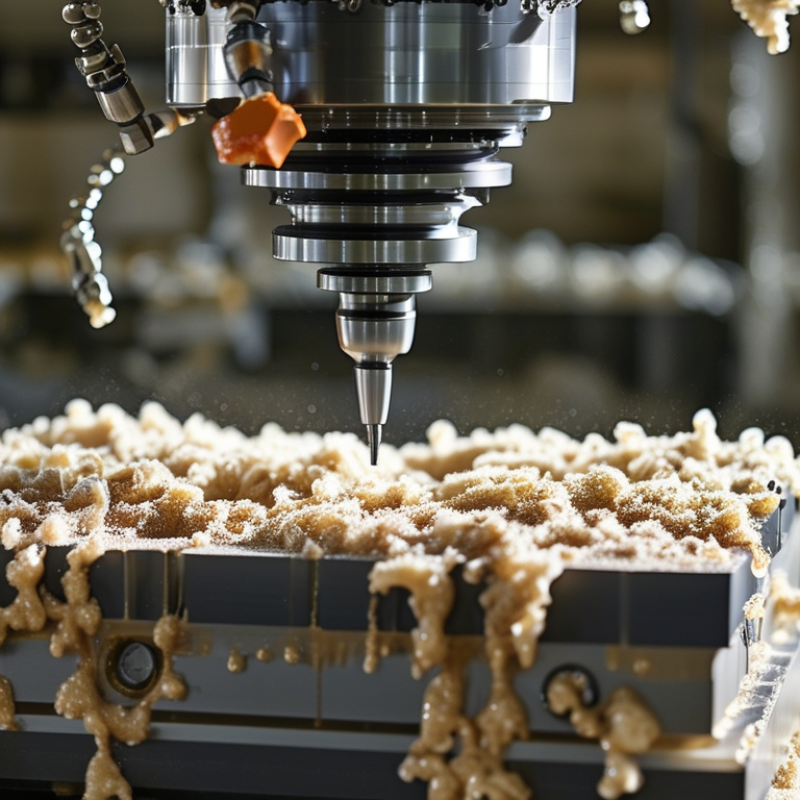
5 Essential Tips for Choosing a 5 Axis Machining Center?

Understanding the Basics of 5 Axis Machining Centers

When considering a 5 axis machining center, it's essential to understand its components and capabilities. A 5 axis machine allows for more complex shapes and intricate designs. This flexibility is crucial for industries that require precision, like aerospace and medical. The added rotation on multiple axes leads to better efficiency and accuracy during production.

Selecting the right 5 axis machining center starts with assessing your specific needs. Consider the size of the workpieces you'll be handling. Evaluate the materials you plan to machine. Each choice has implications for the machine's capabilities. It's common to underestimate these factors. Poor alignment with your requirements can lead to inefficiencies.

Another crucial aspect is the machine's software compatibility. Not all machining centers offer the same level of software integration. Check if the software meets your design and operational needs. A mismatch can create significant hurdles down the line. Take the time to research and consult experts if necessary. Engaging with professionals can provide valuable insights, yet don't rely solely on their expertise; ensure you understand the technology as well.

Key Features to Look for in a 5 Axis Machining Center

When selecting a 5 axis machining center, focus on essential features that enhance precision and productivity. The machine's rigidity is crucial. A solid structure mitigates vibration, ensuring accurate cuts. Look for a center with adequate weight. Heavier machines tend to absorb more shocks. Stability translates to better surface finishes and tighter tolerances.

Control systems are another key aspect. A user-friendly interface aids in efficiently programming complex parts. Make sure the machine supports various tool types and sizes. Versatility can save time and reduce setup costs. Moreover, consider the software compatibility. Good software integration is vital for smooth operation.

Lastly, examine the manufacturer's support and warranty. Reliable customer service can be invaluable. Long warranties indicate confidence in product quality. Maintenance can be a hassle, so easy access to parts matters. Reflect on your specific needs. Each shop has unique requirements; what works for one may not fit another. Balancing features with your budget is essential. Effective decision-making ensures optimal performance and ROI.

5 Essential Tips for Choosing a 5 Axis Machining Center

Assessing Your Production Needs and Capabilities

When selecting a 5-axis machining center, assessing your production needs is crucial. The specific requirements depend on the complexity of parts and production volume. According to industry analysis, 60% of manufacturers report that inefficient equipment leads to losses. Understanding the types of materials you work with is essential. Certain materials may require specific tooling that 5-axis centers can provide.

Analyzing your capabilities is equally important. Many shops struggle with machine operation and maintenance. A study reveals that 45% of operators feel unprepared for advanced setups. Training your team is vital for maximizing the potential of new machinery. Consider the technical abilities of your workforce before investing in high-tech equipment.

Production efficiency is key. Identifying your workflow can highlight bottlenecks. For instance, a layout that prevents easy access to the machine can slow down operations. Data shows that 30% of delays in machining come from logistical issues rather than equipment performance. Investing time in process analysis can provide significant returns.

5 Essential Tips for Choosing a 5 Axis Machining Center

Tip Description Considerations
Assess Production Volume Understand your production needs to determine the required machine capacity. Evaluate peak production times and average job sizes.
Evaluate Part Complexity Identify the complexity of parts to be machined, which impacts machine selection. Consider geometries, tolerances, and multi-axis requirements.
Check Technological Features Look for features like tool changers and automation capabilities. Assess how advanced technologies can streamline your production.
Consider Material Compatibility Ensure the machine can handle the materials used in production. Different materials impact machining speeds and tooling.
Assess Support and Service Options Investigate the manufacturer's support and maintenance services. Look for local support availability and service response times.

Evaluating Cost vs. Value in 5 Axis Machining Equipment

When evaluating a 5-axis machining center, understanding cost versus value is crucial. The initial investment may seem high, but long-term benefits can outweigh these costs. Consider how this equipment impacts workflow efficiency. A well-chosen machine can reduce production times, leading to improved profitability. Yet, not all high-priced models deliver the same performance.

Maintenance plays a significant role. Some machines might require frequent repairs, adding to operational costs. Investigate the reliability of the equipment. Speak to other users. Gather firsthand accounts of machine performance and support from manufacturers. This feedback provides valuable insight into the true costs involved.

Also, consider versatility. A 5-axis center that can handle multiple types of materials might offer more value for your investment. Is your shop ready for this flexibility? Ensure your team has the skills to maximize the machine's capabilities. Reflect on the training necessary for your operators. The right choice aligns with your specific needs and capabilities while ensuring a balance of cost and long-term value.

Considering Software Compatibility and Support Options

When selecting a 5-axis machining center, software compatibility and support options are critical factors. The software that drives the machine must seamlessly interface with your existing systems. Look for applications that can handle complex geometries, simulations, and toolpath optimizations. Is your team familiar with the software? Training sessions may be necessary to maximize its effectiveness.

Support options are also paramount. Consider the availability of technical assistance when needed. A solid support framework can minimize downtime. Check if the manufacturer provides extensive documentation. Online resources like forums and tutorials can be helpful, too. It’s important to gauge if they truly offer ongoing support. Sometimes, manufacturers promise assistance but fall short.

Compatibility can also pose challenges. Make sure the software updates are consistent and compatible with your machine's hardware. Outdated software can lead to inefficiencies. Revisiting your machine's operational needs and integration can yield better productivity. A misalignment of software and hardware could hamper performance, so take the time to reflect on your options.

FAQS

: What is a 5-axis machining center?

: A 5-axis machining center is a machine that allows for complex shapes and intricate designs.

Why is flexibility important in machining?

Flexibility helps industries like aerospace and medical achieve precision in their components.

How do I choose the right 5-axis machining center?

Assess the workpiece size and materials you will be machining. Compatibility is crucial.

What role does software compatibility play?

It ensures the machine meets your design and operational needs. A mismatch can create problems.

Is a high cost always justified?

Not necessarily. Some expensive models may not perform as expected. Evaluate all factors.

How should I handle maintenance concerns?

Investigate the machine's reliability and gather user accounts. Maintenance can impact operational costs.

What about the versatility of the machine?

A versatile machine can handle various materials. This can provide greater value in the long term.

Is training important for machine operators?

Yes, ensure your team has the necessary skills. Training can maximize the machine's capabilities.

What should I reflect on when selecting a machine?

Consider your specific needs and the balance of costs versus long-term value.

Can I rely solely on experts for advice?

It's good to consult experts, but also ensure you understand the technology yourself.

Conclusion

Choosing the right 5 Axis Machining Center requires a clear understanding of its basic functionalities and innovative features. As you explore options, focus on key characteristics such as precision, flexibility, and build quality, which are crucial for optimizing machining performance. It's essential to assess your specific production needs and capabilities to ensure the chosen equipment aligns with your manufacturing goals.

Additionally, evaluating the cost versus value is critical in making an informed investment in a 5 Axis Machining Center. Consider the long-term benefits and the potential Return on Investment (ROI). Lastly, do not overlook software compatibility and support options, as seamless integration with existing systems can greatly enhance efficiency and productivity in your operations. By keeping these essential tips in mind, you can make a well-informed decision that will enhance your machining capabilities.

Mason

Mason

Mason is a seasoned marketing professional with a deep expertise in the company's offerings and a passion for driving brand awareness. With a strong background in digital marketing strategies, he has an innate ability to connect with diverse audiences and effectively communicate product benefits.......