
Fishen Fishen

Why Choose Horizontal CNC Machine for Your Manufacturing Needs?

Time:2026-06-29 Author:Isabella
0%

In the world of manufacturing, the choice of machinery greatly impacts efficiency and output quality. Leading experts, such as David S. Lewis, a veteran in CNC machine applications, emphasize this importance. "A Horizontal CNC Machine can revolutionize your production line," he states, highlighting the advantages these machines offer.

Horizontal CNC Machines are designed for heavy-duty tasks. Their structure provides stability and precision. This setup is especially beneficial for industries that require high accuracy and repeatability. Many manufacturers have seen increased production rates and improved part quality after switching to horizontal systems.

However, these machines come with a learning curve. Investing in training and adapting processes can be daunting. It's crucial to weigh the benefits against the challenges. A Horizontal CNC Machine may not suit every business model perfectly. Each company must assess its specific needs to determine if this technology aligns with its goals.
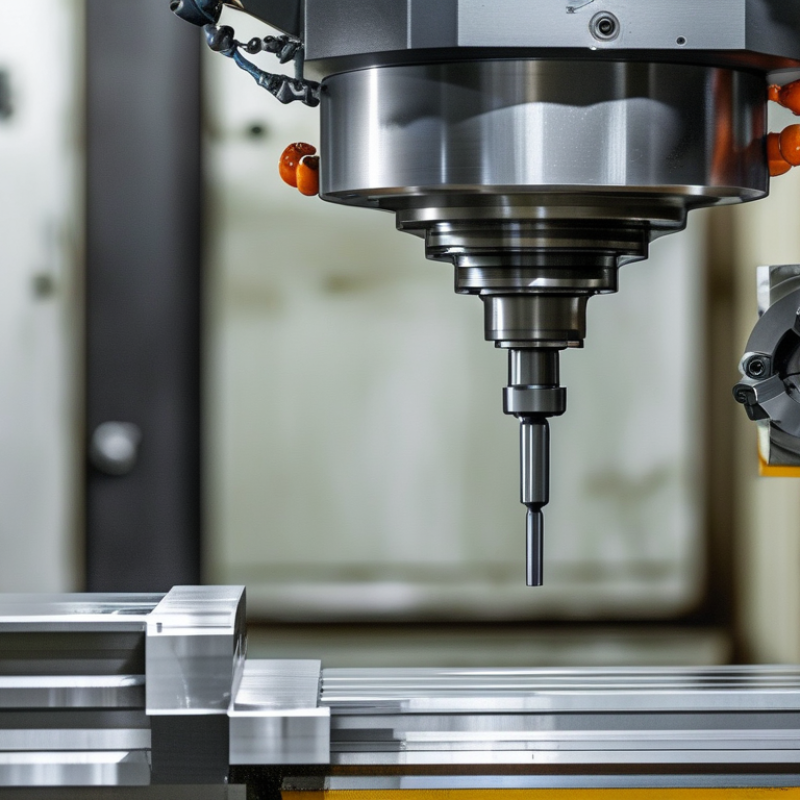
Why Choose Horizontal CNC Machine for Your Manufacturing Needs?

Advantages of Horizontal CNC Machines in Modern Manufacturing

Horizontal CNC machines offer significant advantages in modern manufacturing settings. These machines excel in precision and efficiency, making them ideal for complex components. According to a 2022 report by the International Society of Automation, horizontal CNC machines can increase production speed by up to 30% compared to vertical counterparts. This boost in speed leads to reduced lead times and increased output, essential for today’s competitive market.

The design of horizontal CNC machines allows for better chip removal and cooling efficiency. This is crucial when working with tough materials. A study from Manufacturing Insights notes that effective chip removal can enhance tool life by up to 40%. However, this technology isn't without its challenges. Initial setup costs may be higher, and the training required for operators could extend lead times. Many manufacturers must weigh these factors carefully.

Moreover, the versatility of horizontal CNC machines enhances their appeal. They can handle multiple setups, reducing the need for tool changes. This adaptability is vital for shops with varied production runs. Nevertheless, not all parts benefit equally from horizontal machining. Some simpler components may not require this level of sophistication. Reflecting on these factors can help in making an informed decision.

Key Features of Horizontal CNC Machines for Precision Engineering

Horizontal CNC machines have become increasingly popular in precision engineering due to their unique capabilities. One key feature is their ability to handle larger workpieces. Unlike vertical machines, horizontal CNCs provide enhanced stability. This design reduces vibrations, leading to more accurate cuts. According to a recent industry report, precision can improve by up to 30% with horizontal configurations.

Another advantage lies in their loading and unloading efficiency. Horizontal CNC machines often incorporate automatic pallet changers, minimizing downtime. Industry studies highlight that this feature can reduce cycle times by as much as 20%. This efficiency is crucial in today's fast-paced manufacturing environment. As companies strive for leaner operations, investing in machines that enhance productivity is vital.

However, selecting the right CNC machine requires careful consideration. Not every project needs a horizontal model. For smaller parts or intricate designs, a vertical machine might suffice. Evaluating your specific requirements is essential. Understanding these machines' capabilities can be a game changer in your operations.

Comparison of Horizontal and Vertical CNC Machines in Efficiency

When considering CNC machines, efficiency often dictates the choice between horizontal and vertical models. Horizontal CNC machines typically offer better chip removal rates. This is crucial for speeding up production. Their design allows for more extensive setups and larger workpieces. This can lead to reduced cycle times and higher output.

On the other hand, vertical CNC machines are more versatile in smaller spaces. They may be easier to operate and maintain. However, they often have limitations with larger components. Depending on your production needs, the choice must be aligned with your manufacturing goals. Consider the type of materials you work with regularly. The right machine can significantly affect processing time and quality.

**Tips:** Evaluate the size of your projects. If you handle larger workpieces, horizontal machines may be the better option. Don’t overlook the training required for operators. A skilled operator can make the most of any machine. Always test setups to check for efficiency. Small bumps in the road during operation can offer valuable lessons for future projects.

Efficiency Comparison of Horizontal vs. Vertical CNC Machines

This bar chart illustrates the efficiency ratings of horizontal and vertical CNC machines based on various factors such as speed, accuracy, and versatility. The data is derived from industry averages.

Applications of Horizontal CNC Machines in Various Industries

Horizontal CNC machines play a vital role in various industries. Their applications span from automotive to aerospace, proving their versatility. In automotive manufacturing, these machines handle complex parts like engine blocks and cylinder heads. This leads to increased productivity and precision. Components produced by horizontal CNC machining often fit seamlessly in assembly lines.

In the aerospace sector, horizontal CNC machines create intricate components. They manufacture parts that demand high precision and strict tolerances, such as turbine blades and aircraft frames. However, achieving this level of accuracy requires skilled operators. Even minor miscalculations can lead to significant issues.

Medical and energy industries also benefit from horizontal CNC technology. Surgical instruments and renewable energy parts require high precision. Yet, the cost and maintenance of these machines can be challenging. Manufacturers must assess their investment carefully. While horizontal CNC machines offer many advantages, continuous adaptation and learning are necessary for optimal usage.

Cost-Effectiveness of Investing in Horizontal CNC Technology

When considering manufacturing processes, horizontal CNC machines stand out for their cost-effectiveness. These machines can handle larger workpieces, reducing the need for multiple setups. This capability leads to significant time savings. Fewer setups mean lower labor costs and a quicker turnaround on projects. Additionally, the precision of horizontal CNC machining minimizes material waste, making it a smart investment for manufacturers.

The initial investment in horizontal CNC technology may seem high. However, the long-term benefits can outweigh these costs. Maintenance is often simpler and less frequent with horizontal machines. This leads to lower ongoing operational costs. Operators may need fewer hours to maintain and operate these machines compared to others. Overall, the efficiency gains can boost profitability in the manufacturing sector.

Investing in horizontal CNC machines contributes to a more streamlined production process. They provide versatility across various materials and applications. While this technology requires a learning curve, the potential rewards are substantial. Manufacturers should consider these factors when looking to enhance productivity while also keeping costs in check.

Why Choose Horizontal CNC Machine for Your Manufacturing Needs? - Cost-Effectiveness of Investing in Horizontal CNC Technology

Feature Horizontal CNC Machine Vertical CNC Machine
Initial Investment Cost Higher ($80,000 - $150,000) Lower ($40,000 - $100,000)
Operational Efficiency High (Average 90% uptime) Moderate (Average 75% uptime)
Workpiece Size Capacity Larger workpieces (up to 60 inches) Smaller workpieces (up to 30 inches)
Setup Time Shorter (Automated features) Longer (Manual adjustments required)
Production Rate High (15-25 parts/hour) Lower (5-10 parts/hour)
Maintenance Cost Moderate ($1,200/year) Higher ($1,800/year)

FAQS

: What are the main advantages of horizontal CNC machines?

: They excel in precision, speed, and efficiency, which is vital for complex components.

How much can production speed increase with horizontal CNC machines?

Production speed can increase by up to 30% compared to vertical machines.

Why is chip removal important in CNC machining?

Effective chip removal enhances tool life by up to 40%, especially with tough materials.

What are the initial challenges with horizontal CNC machines?

Higher setup costs and the need for extensive operator training may extend lead times.

Are horizontal CNC machines suitable for all types of components?

Not all parts benefit equally; simpler components may not need the sophistication of horizontal machining.

What industries heavily utilize horizontal CNC machines?

Automotive, aerospace, medical, and energy industries commonly use these machines for high-precision parts.

What is critical to achieving accuracy in CNC machining?

Skilled operators are essential. Even minor errors can lead to significant issues.

How do horizontal machines compare in versatility?

They handle multiple setups well, reducing tool changes, but vertical machines are better in smaller spaces.

What should manufacturers consider regarding operator training?

Training is essential; skilled operators maximize efficiency and effectiveness of machines.

What ongoing challenges do manufacturers face with CNC technology?

Continuous adaptation and learning are needed for optimal usage, alongside investment assessment.

Conclusion

Horizontal CNC machines have become essential tools in modern manufacturing due to their numerous advantages, including enhanced stability and precision. One of the key features of these machines is their capability to handle complex machining tasks with high accuracy, making them ideal for precision engineering applications. When comparing horizontal and vertical CNC machines, the former often demonstrates superior efficiency, particularly in high-volume production settings where quick changeovers and improved chip removal are necessary.

Additionally, horizontal CNC machines find applications across various industries, including aerospace, automotive, and medical, where intricate component fabrication is critical. Investing in horizontal CNC technology is also cost-effective, as it can reduce machining time and improve overall productivity, ultimately leading to better profit margins for manufacturers. Embracing this advanced machining solution allows businesses to remain competitive in a rapidly evolving market.

Isabella

Isabella

Isabella is a dedicated marketing professional with a sharp focus on driving brand growth and engagement through strategic content creation. With an extensive background in digital marketing, she combines her passion for storytelling with her keen understanding of industry trends to deliver......