
Fishen
Choosing the right 5 Axis CNC Machine can seem overwhelming. With numerous models and features, it is essential to have a clear understanding of your specific needs. A well-suited machine can significantly enhance productivity and precision in your projects. However, not every machine will fit every application.
In today’s market, 5 Axis CNC Machines offer advanced capabilities. They allow for intricate designs and complex geometries. Many users struggle to identify key features that align with their requirements. You may find it tempting to focus solely on price, but other factors deserve attention. Reliability and support from the manufacturer play a critical role in long-term satisfaction.
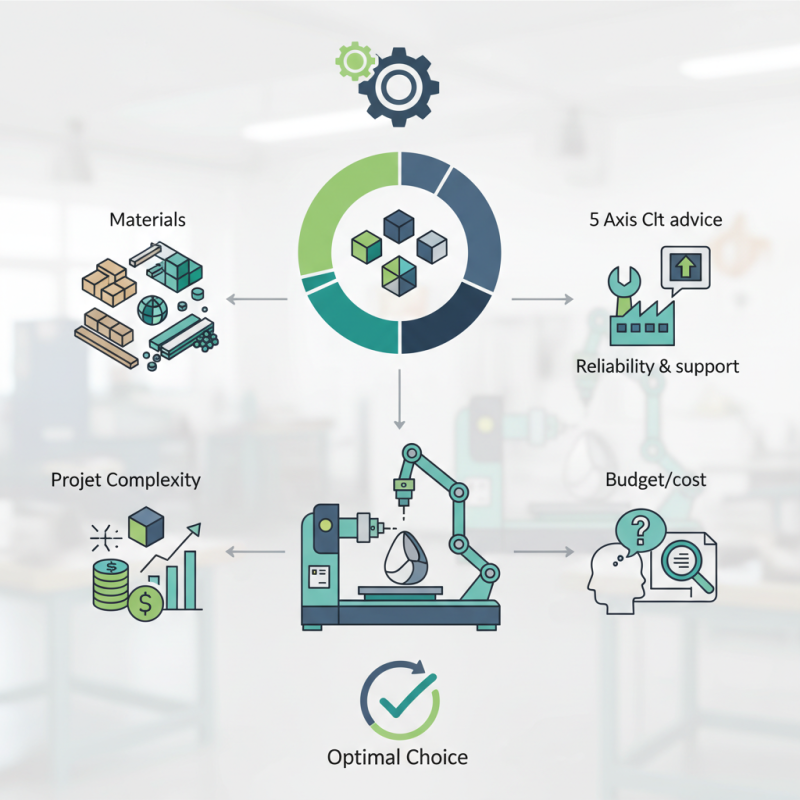
Take the time to consider the types of materials you will work with. Also, assess the scale of your projects. Each of these aspects can influence your choice. Ultimately, understanding the unique strengths of each 5 Axis CNC Machine can lead to a more informed decision. Challenge yourself to explore all available options and ask for expert advice when needed. This introspection will pave the way to finding the right machine for your needs.
Understanding the basics of 5-axis CNC machines is crucial for manufacturers seeking efficiency and precision. These machines are designed to move in five different axes, allowing for complex shapes and intricate designs. Traditional 3-axis machines are limited, often requiring multiple setups. According to a report from Industry Week, 5-axis machines can reduce part production time by up to 75%. This efficiency can be essential in industries demanding precision, such as aerospace and medical devices.
When considering a 5-axis CNC machine, it’s important to evaluate the types of parts you create. Not every machine is suited for all designs. Features such as spindle speed, torque, and control software greatly influence performance. The complexity of parts can sometimes lead to challenges in programming. It’s vital to ensure your team has the necessary skills to operate these advanced machines effectively. A technical gap can lead to oversights, missed opportunities, or even equipment damage.
Investing in a 5-axis machine is significant. Without proper research and planning, the value might not be realized. Some facilities may face increased maintenance costs due to the higher complexity of 5-axis setups. It's essential to weigh the benefits against potential risks. Choosing the right machine demands careful thought and expertise. A well-informed decision can lead to superior product quality and operational efficiency.
5 Axis CNC machining plays a pivotal role in several key industries, including aerospace, automotive, and medical. These sectors rely on precision parts that often require complex geometries. According to a recent report by MarketsandMarkets, the 5-axis CNC machine market is projected to grow significantly, driven by increased demand for high-precision components. This trend indicates how essential advanced machining techniques are becoming in manufacturing today.
In aerospace, for example, parts must meet stringent safety and performance standards. Machining intricate designs, such as turbine blades, is crucial. Complex shapes often require multi-directional cutting that only 5-axis machining can provide. A study by Grand View Research notes that the aerospace segment could grow at over 8% annually, highlighting the need for sophisticated machining capabilities.
Similarly, the automotive industry demands efficiency and quality. With the shift towards electric vehicles, manufacturers need to adapt quickly. 5-axis CNC machines enable rapid prototyping and production of parts like engine blocks and chassis components. However, the initial investment can be significant, and not every shop may fully utilize their potential. Organizations must assess their production needs and workflow to make informed decisions on investment.
Choosing the right 5-axis CNC machine requires careful consideration of various factors. The complexity of your projects is paramount. If your tasks involve intricate designs, a machine with robust capability is crucial. Pay attention to the machine's speed and precision. It impacts the quality of the final product.
Another key factor is the size of the worktable. Ensure it accommodates your material sizes comfortably. A small table might limit your projects. Additionally, consider the control software provided with the machine. User-friendly software can vastly improve your efficiency. It can also reduce the learning curve for your team.
Cost is a significant factor, too. Budget constraints can narrow your options. However, remember that a lower-priced machine might not meet all your needs. Weighing initial costs against long-term value is necessary. Carefully evaluate maintenance and support. A reliable after-sales service can mitigate potential downtime. These considerations contribute to a more informed choice. Balancing technological demands with your operational needs takes time. Reflecting on these factors can lead to a more suitable investment.
When evaluating CNC machines, specifications play a crucial role. Different tasks require different capabilities. A 5-axis CNC machine offers more flexibility. Think about the types of materials you will work with. Consider their density and hardness. This will impact your choice significantly.
Precision is vital in machining. Check the machining tolerance of the machine. It should align with your project requirements. Another detail to assess is the spindle speed. A higher speed can lead to better surface finishes. Furthermore, pay attention to the tooling options. A machine with versatile tool holders can enhance your productivity.
Think also about the machine’s software compatibility. The right software can streamline workflows. Some machines might offer advanced features. These include automatic tool changers or advanced cooling systems. While these features can be beneficial, they can also complicate operation. Be aware of your team's expertise.
Evaluate maintenance requirements too. Some machines require more upkeep than others. Higher maintenance can lead to increased downtime. Consider your operational environment as well. Dust and humidity can affect performance. Each aspect matters when choosing the best CNC machine. Reflect on your long-term needs for the best outcomes.
When budgeting for a 5-axis CNC machine, consider both the initial purchase price and ongoing maintenance costs. The machine's complexity can drive up the price significantly. Understand that high-quality machines often come with higher price tags, reflecting their durability and capabilities. Cheaper options might seem appealing, but they can lead to additional costs in repairs and replacements.
It's crucial to set aside funds for maintenance. Regular servicing can mitigate unexpected breakdowns. For example, a budget of 10-15% of the purchase price annually for maintenance is often recommended. However, this may vary based on usage. Some users find themselves spending more due to unforeseen issues. Keep a close watch on wear and tear, especially on moving parts.
Consider training costs as well. Proper operator training can enhance machine efficiency and longevity. Investing in training can reduce mistakes and downtime. Think about the long-term: a well-budgeted purchase can yield savings. However, be prepared for initial challenges and adjustments in budgeting as you learn the machine's needs.
| Feature | Description | Estimated Cost ($) | Maintenance Frequency |
|---|---|---|---|
| Travel Range | The maximum dimensions the machine can handle. | 10,000 - 60,000 | Annual |
| Spindle Speed | How fast the spindle can rotate, affecting material compatibility. | 5,000 - 30,000 | Quarterly |
| Accuracy | precision of the machining operations, usually specified in microns. | 1,500 - 10,000 | Monthly |
| Software Compatibility | Different CAD/CAM software that can be used with the CNC machine. | Varies Depending on Software | N/A |
| Control System | The type of user interface and programming capabilities. | 3,000 - 15,000 | Annually |
: A 5-axis CNC machine moves in five directions. This allows for complex shapes and designs.
These machines can reduce production time by up to 75%. They minimize the need for multiple setups.
No, not every machine is suited for all designs. Evaluate your part types before investing.
Spindle speed, torque, and control software are crucial. They can greatly affect overall performance.
Yes, proper skills are essential. A technical gap can lead to mistakes or equipment damage.
Yes, higher maintenance costs may arise. Weigh the benefits against potential risks carefully.
Aerospace, automotive, and medical fields often rely on 5-axis for precision and complex geometries.
Intricate designs, like turbine blades, require multi-directional cutting. This is where 5-axis machines excel.
Assess production needs and workflow. Ensure the investment aligns with your operational goals.
Programming complexity can pose challenges. It's essential to have knowledgeable staff to manage these machines.
When selecting the best 5 Axis CNC Machine for your needs, it is crucial to start by understanding the fundamentals of these advanced machining tools. The versatility of 5 Axis CNC machines allows them to carry out intricate operations, making them essential in various applications across industries such as aerospace, automotive, and medical manufacturing.
When evaluating potential machines, consider key factors such as the specific requirements of your projects, the machine's capabilities, and the precision it offers. Taking a closer look at the specifications and features can help ensure that the CNC machine aligns well with your operational needs. Lastly, budgeting for both the initial purchase and ongoing maintenance is critical to achieving a successful long-term investment in a reliable 5 Axis CNC Machine.
