
Fishen
Choosing a reliable Vertical Lathe manufacturer can shape machining quality, delivery stability, and long-term operating costs. For global buyers, China offers a broad supplier base, from established CNC machine builders to specialized turning equipment factories. The challenge is separating proven capability from attractive marketing language.
This guide examines leading Chinese manufacturers through practical purchasing criteria. These include machine rigidity, spindle performance, table accuracy, control systems, and after-sales support. A dependable supplier should provide clear technical drawings, inspection records, installation guidance, and realistic delivery terms. Buyers should also review export experience, factory capacity, and service coverage in their region. A polished website is useful, but it proves very little.
Real evidence matters more.
During evaluation, ask for sample machining results and detailed specifications. For example, a heavy-duty Vertical Lathe may handle large flanges, rings, and cast components, but its performance depends on structure, tooling, and application settings. Factory visits, video inspections, and third-party audits can reveal details that brochures often overlook. Look closely at assembly areas, test procedures, electrical cabinets, and finished machine surfaces.
No supplier is perfect.
Even respected manufacturers may have limitations in software support, customization speed, or overseas response times. Buyers should record these weaknesses rather than ignore them. Comparing warranty terms, spare-part availability, payment protection, and compliance documents can reduce avoidable risk. This overview aims to support informed decisions with practical observations, technical context, and verifiable purchasing standards. It is not a substitute for independent due diligence, but it can make supplier discussions more focused and professional.
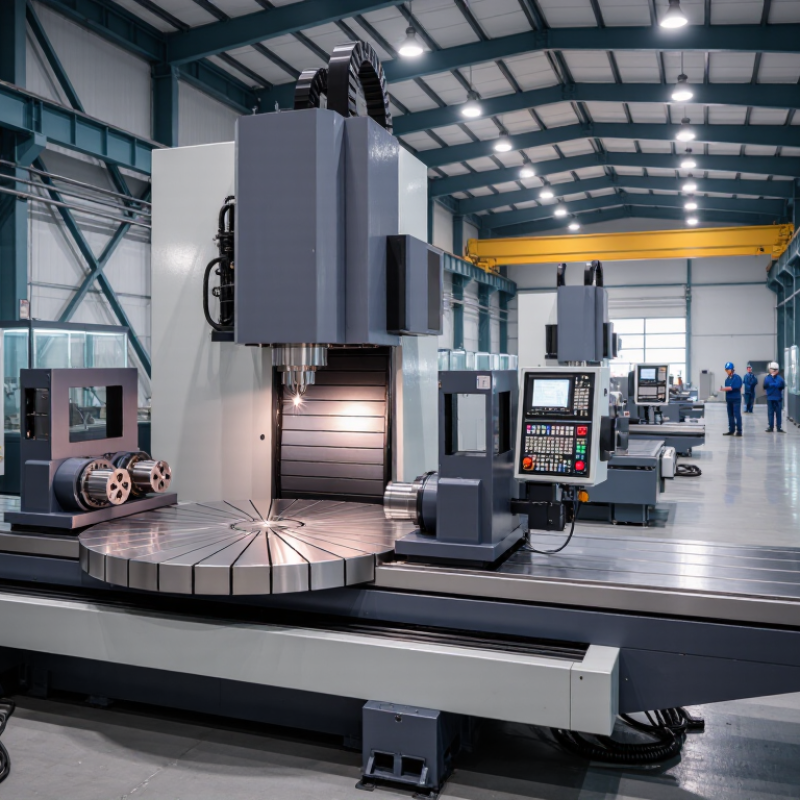
Vertical lathes rotate workpieces on a vertical spindle. Cutting tools move across the face and diameter. The spindle sits below the chuck. Gravity helps secure heavy, short, wide components. This differs from a horizontal lathe, where long parts may need extra support. Common applications include bearing housings, gear blanks, valve bodies, and large flanges.
The distinction matters because setup stability affects accuracy. A rigid vertical layout can reduce deflection during heavy roughing. It may also improve chip removal and crane loading. Automation becomes valuable when production batches repeat. According to the 2024 Gardner Intelligence World Machine Tool Survey, global machine-tool consumption reached about 84 billion dollars in 2023. The report also recorded a slight annual decline. Demand exists, but every machine is not automatically a profitable investment.
Global buyers should examine spindle load, chuck diameter, axis travel, thermal control, and service response. ISO 230 testing helps verify positioning accuracy, but production trials remain essential. A quiet spindle is not enough. Surface finish, cycle time, tool life, and operator access matter together. The IEA’s Energy Efficiency 2024 report estimates industry uses about 37% of global final energy. Efficient motors and idle-state controls therefore deserve attention. One uncomfortable point remains: a larger swing diameter may look impressive, yet unused capacity still costs money. Specification sheets rarely reveal that weakness.
What Is a Vertical Lathe and Why Does It Matter?
Vertical lathes hold the workpiece on a horizontal table, making them especially suitable for large-diameter, heavy, and relatively short components. The chart shows representative nominal workpiece diameter classes commonly considered when selecting a vertical turning machine. Actual capacity depends on the machine model, spindle load, tooling, and workpiece material.
China’s vertical lathe manufacturing industry combines heavy-duty design with increasingly intelligent production. The China Machine Tool Industry Association reported steady recovery in China’s metalworking machinery sector during 2023, supported by demand from energy, transportation, and construction equipment. These conditions encourage manufacturers to develop large turning diameters, rigid cast-iron columns, and high-torque spindle systems. A practical machine should hold stability when cutting steel rings, flanges, or irregular castings.
Automation is another defining feature. Many Chinese factories now integrate CNC control, automatic tool changers, probing systems, and remote diagnostics. The International Federation of Robotics reported that China installed more than 276,000 industrial robots in 2023, representing over half of global installations. This wider automation ecosystem supports vertical lathe cells with fewer manual adjustments. However, automation quality varies. Buyers should verify cycle-time evidence, interface compatibility, and service response instead of trusting catalog claims.
Cost remains competitive because China has a broad supply network for castings, drives, hydraulic systems, and control components. The 2024 Mordor Intelligence machine tool market analysis identified Asia-Pacific as the largest regional market, reflecting strong production capacity and local demand. Yet a lower quotation can conceal weaker thermal compensation or inconsistent assembly. Experienced buyers should inspect spindle runout, positioning accuracy, surface finish, and test-cut records. The overlooked detail is often calibration. Good manufacturing is measurable, but not every factory presents measurements clearly.
China Best Vertical Lathe Manufacturers for Global Buyers
Evaluating China’s best vertical lathe manufacturers requires more than comparing prices. Visit the factory when possible, or request a live video inspection. Check the assembly area, testing equipment, and production records. A reliable manufacturer should explain table diameter, spindle torque, ram travel, and positioning accuracy clearly. Ask for inspection reports from actual machines, not only catalog specifications.
Examine the machine’s physical details. Look at casting thickness, guideway protection, hydraulic piping, electrical cabinets, and chip removal design. Request a test-cut video using material similar to your workpiece. Confirm tolerance results with measuring equipment and dated records. Speak with previous export customers about delivery accuracy and after-sales response. Certifications can support credibility, but they do not replace technical evidence. I once trusted attractive specifications too quickly; the installed machine later needed adjustments that should have been discussed earlier.
Tips: Prepare a written checklist before contacting suppliers. Ask identical questions to each manufacturer. Compare warranty scope, spare-part availability, installation guidance, training, and remote troubleshooting. Clarify voltage, control language, foundation requirements, packaging, and replacement lead times. Small omissions become expensive delays. A factory may appear highly capable, yet communication can remain inconsistent. Request drawings, manuals, and acceptance criteria in writing before placing an order.
Chinese vertical lathe manufacturers generally fall into three groups. Integrated CNC builders offer balanced machines, standardized controls, and stable batch production. Heavy-duty specialists focus on large castings, high torque, and oversized workpieces. Custom engineering manufacturers design hydraulic, aerospace, energy, and rail components around specific customer drawings. Their strengths differ sharply. A wider table is not automatically better.
Grand View Research estimates the global CNC machine tools market will grow at a 9.5% CAGR from 2023 to 2030. This supports demand for automated vertical turning centers, but buyers should inspect real cycle-time data. A machine cutting a 1,600-millimeter flange needs more than impressive swing capacity. Check spindle torque, ram rigidity, thermal compensation, chip evacuation, and tool-change repeatability. During factory evaluations, observe a complete roughing cycle. Listen for vibration near the casting.
Deloitte’s 2024 Smart Manufacturing Survey reported that 86% of manufacturers expect smart production to become a major competitiveness factor within three years. This explains the growth of machines with remote diagnostics, probing, and production monitoring. Yet connectivity can become expensive decoration. Ask whether the control system exports usable data, protects access, and supports local technicians. Service response, spare-part availability, and operator training may matter more than a polished specification sheet. Some catalog claims remain difficult to compare. Independent acceptance testing is still necessary.
Global buyers comparing China’s best vertical lathe manufacturers should test quality beyond a polished factory tour. Ask for spindle runout records, positioning accuracy results, thermal stability data, and a documented final inspection. ISO 9001 remains a useful baseline. The ISO Survey 2022 recorded more than 1.2 million certified organizations worldwide, but certification alone proves little. Request machine-specific reports, calibration dates, and sample machining results. A heavy cast-iron base should feel stable under cutting loads, not merely look impressive in photographs.
Compliance must match the destination market. Buyers should confirm electrical diagrams, risk assessments, safety guards, manuals, and required conformity documents before shipment. Requirements may differ across regions. Missing paperwork can delay commissioning. It happens. Service quality also deserves measurable terms. Define response times, remote diagnostic support, spare-parts availability, installation training, and warranty boundaries in the contract. A low purchase price becomes expensive when one sensor waits six weeks for replacement.
Delivery planning needs evidence rather than optimism. The World Bank’s Logistics Performance Index 2023 identifies customs, infrastructure, and shipment timeliness as important logistics performance factors. UNCTAD’s Review of Maritime Transport reports that shipping carries over 80% of global merchandise trade by volume, so port congestion and documentation errors still matter. Require a production schedule, pre-shipment inspection, export packing photographs, and agreed acceptance criteria. One practical weakness remains: buyers often inspect the machine, but not the supplier’s after-sales capacity. That gap deserves more attention.
Compare more than prices. Request a live factory inspection or video tour. Examine assembly areas, testing equipment, and production records. Ask for dated inspection reports from completed machines. Catalog claims alone are not enough.
Check table diameter, spindle torque, ram travel, swing capacity, and positioning accuracy. Ask how each value was measured. A large table is not automatically better. Workpiece size and cutting force must match.
Examine casting thickness, guideway protection, hydraulic piping, and electrical cabinets. Watch the chip removal system during cutting. Listen for vibration near the casting. Small weaknesses may become maintenance problems later.
Request a test-cut video using material similar to your workpiece. Review tolerance results with measuring equipment and dated records. Observe a complete roughing cycle. One short demonstration may not reveal everything.
Integrated builders offer balanced machines and standardized controls. Heavy-duty specialists focus on large castings and high torque. Custom engineering firms adapt machines to specific drawings. Each type has different strengths.
Clarify warranty coverage, spare-part availability, installation guidance, operator training, and remote troubleshooting. Ask about replacement lead times. Service response may matter more than advanced features. This is easy to underestimate.
Request drawings, manuals, foundation requirements, voltage details, control language, packaging plans, and acceptance criteria. Keep everything in writing. Missing details can create expensive delays.
Certifications can support credibility, but they do not replace technical evidence. Speak with previous export customers about delivery accuracy and service response. Independent acceptance testing remains important. I would not rely on certificates alone.
Remote diagnostics, probing, and production monitoring may improve efficiency. Confirm whether the system exports usable data and protects access. Ask whether local technicians can support it. Connectivity can become costly decoration.
Do not trust attractive specifications too quickly. Ask identical questions to every supplier. Compare their answers carefully. I once overlooked adjustment requirements, and the installed machine needed avoidable corrections. The lesson still needs reflection.
A Vertical Lathe is a machine tool designed to rotate large, heavy, or wide workpieces on a vertical axis, making it especially valuable for industries such as energy, transportation, construction machinery, and general equipment manufacturing. China’s vertical lathe manufacturing industry combines broad production capacity, flexible customization, competitive pricing, and continuous improvements in automation, precision, and intelligent control. Buyers can find solutions ranging from standard machines to advanced systems tailored to specific machining requirements.
When evaluating China’s best Vertical Lathe manufacturers, global buyers should consider machining accuracy, structural stability, spindle performance, control systems, customization capabilities, and quality consistency. It is also important to review production experience, testing procedures, technical documentation, compliance with applicable international standards, installation support, spare-parts availability, and after-sales service. Reliable delivery schedules, clear communication, secure packaging, and responsive technical assistance are equally important. A careful comparison of product strengths and supplier capabilities can help buyers select equipment that offers dependable performance, long-term value, and effective support throughout its service life.
