
Fishen
In the rapidly growing manufacturing landscape, the demand for high-quality Horizontal Machining Centers has surged. Industry expert Dr. Li Wei, renowned for his contributions in machining technologies, emphasizes, “Choosing the right Horizontal Machining Center can significantly impact production efficiency.” This highlights the necessity for buyers to engage in thorough research when selecting machinery.
China is home to numerous manufacturers, producing a variety of Horizontal Machining Centers tailored to different needs. Each center brings its own set of specifications, advantages, and potential shortcomings. Buyers often overlook factors like service support and long-term reliability. These elements are crucial for maintaining production quality and minimizing downtime.
Understanding the features of the top Horizontal Machining Centers can aid buyers in making informed decisions. However, the sheer volume of options can be overwhelming. Therefore, gaining insights from experts and analyzing market trends is key. With the right approach, buyers can find the Horizontal Machining Center that meets their operational demands while fostering innovation in their production processes.
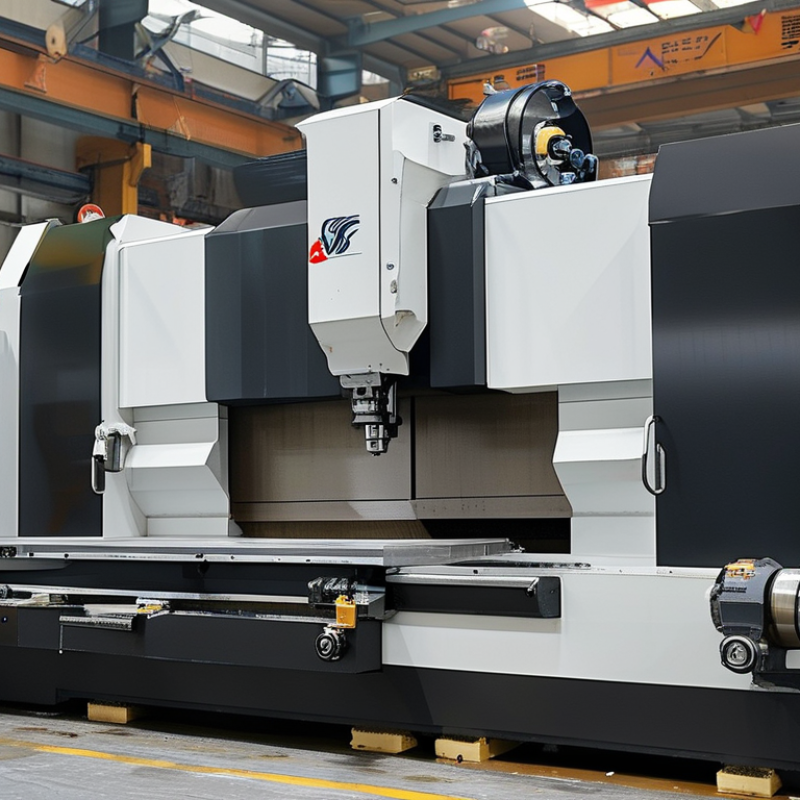
Horizontal machining centers are essential in modern manufacturing. They offer precision and efficiency, making them crucial for producing complex parts. These machines utilize a horizontal spindle, allowing for deeper cuts and better chip removal. This design enhances tool life, ultimately reducing costs.
The importance of horizontal machining centers lies in their versatility. Industries such as aerospace and automotive heavily rely on these machines for high-quality components. However, buyers must consider their specific needs. Each project may require different features and capabilities. Not all centers are created equal, and the right choice can impact productivity.
Many buyers focus on cost but overlook other factors. Maintenance, energy consumption, and software compatibility can greatly affect long-term value. It's vital to balance upfront expenses with potential operational efficiencies. Reflecting on these aspects can lead to better purchasing decisions.
When selecting horizontal machining centers, buyers should consider several key criteria. Precision is paramount. A machine's ability to maintain tight tolerances can directly impact the quality of the finished product. According to industry reports, a variance as small as 0.01 mm can lead to defective parts in high-precision industries such as aerospace and medical equipment.
Another aspect is the machine's speed and efficiency. Faster cycle times translate to increased productivity. Studies indicate that upgrading to a modern horizontal machining center can enhance throughput by up to 30%. This increase not only improves profitability but also allows manufacturers to respond quickly to customer demands.
**Tip:** Assess the after-sales support and service network. A robust support system is crucial. Machines can face downtime, and responsive service can mitigate losses.
Flexibility in machining capabilities is essential too. A center that can handle various materials and complex geometries will be beneficial in the long run. Buyers should also reflect on the machine's energy consumption. Investing in energy-efficient models can ultimately reduce operational costs.
**Tip:** Evaluate user reviews and feedback. Real-world experiences often highlight strengths and weaknesses that technical specifications do not reveal.
Purchasing a horizontal machining center is a significant investment. Informed decision-making based on thorough criteria can promote success in today’s competitive landscape.
When considering horizontal machining centers, many factors come into play. These machines are crucial for achieving precision in manufacturing. According to a recent industry report, the demand for horizontal CNC machines in China is projected to grow at a CAGR of over 7% through the year 2026. This highlights the increasing reliance on advanced machining technologies for production.
Common features in top models include high-speed spindles, robust coolant systems, and multi-axis capabilities. These attributes are essential for optimizing productivity. However, it’s important to note that not all centers deliver consistent performance. Slight variations in quality can lead to production delays and increased costs, emphasizing the need for careful selection.
Moreover, the complexity of maintenance and operation adds another layer of challenge. Operators must be well-trained to fully utilize these machines. A survey indicated that nearly 30% of users reported difficulties in operational consistency. This points to the necessity for ongoing education and support in the industry. Ensuring that users are well-equipped to handle these advanced tools can profoundly impact overall efficiency and output.
When it comes to horizontal machining centers, several key features determine their efficiency and reliability. Buyers should look for machines with robust spindle capabilities and high-speed precision. Many centers support multi-axis operations, increasing versatility in complex tasks. For example, some models provide a spindle speed range from 10,000 to 20,000 RPM, which is essential for intricate designs.
Additionally, the choice of control system can significantly impact productivity. Advanced systems often feature intuitive interfaces and real-time monitoring. These aspects enhance operational efficiency and reduce downtime. A study by the International Society of Automation noted that investing in advanced CNC technology could improve production rates by 20%.
Tips: Ensure you assess the machine's tooling options and compatibility. Often, machines with a wider range of tool holders offer increased adaptability. It’s crucial to consider the maintenance requirements as well. Some centers require frequent calibration, which may affect long-term reliability.
Investing in an efficient machine involves understanding specifications deeply. Features such as weight capacity, table size, and maximum travel distance should align with your project needs. It’s common for users to overlook machine footprint, which can impact space utilization. Be mindful of these details to make a fully informed choice.
| Model | Table Size (mm) | Spindle Speed (RPM) | Tool Capacity | Max Load (kg) | Axis Travel (X/Y/Z) (mm) |
|---|---|---|---|---|---|
| Model A | 800 x 800 | 12000 | 40 | 1000 | 1000/1000/1000 |
| Model B | 900 x 900 | 15000 | 60 | 1200 | 1200/1200/1000 |
| Model C | 1000 x 1000 | 10000 | 80 | 1500 | 1300/1300/1000 |
| Model D | 1100 x 1100 | 11000 | 50 | 1400 | 1400/1400/1000 |
| Model E | 1200 x 1200 | 13000 | 70 | 1600 | 1150/1150/1000 |
| Model F | 1300 x 1300 | 14000 | 90 | 1800 | 1500/1500/1000 |
| Model G | 1400 x 1400 | 16000 | 100 | 2000 | 1600/1600/1000 |
| Model H | 1500 x 1500 | 15000 | 120 | 2200 | 1800/1800/1000 |
| Model I | 1600 x 1600 | 13000 | 130 | 2400 | 2000/2000/1000 |
| Model J | 1700 x 1700 | 14000 | 140 | 2600 | 2200/2200/1000 |
The market for horizontal machining centers in China is experiencing significant growth. Recent data indicates a compound annual growth rate (CAGR) of approximately 7.5% in this sector. This surge can be attributed to rising demands from the automotive and aerospace industries. Precision machining is imperative for these sectors, which rely heavily on the accuracy and efficiency provided by horizontal machining centers.
Despite this growth, there are still challenges that the industry must confront. Supply chain disruptions have impacted production capabilities. Moreover, the need for skilled operators continues to be a concern. The integration of advanced technologies, such as automation and AI, can help address these issues. Studies suggest that companies adopting smart manufacturing practices see improved productivity and reduced operational costs.
Future market trends point towards increased investment in research and development. Companies are expected to enhance their products with features tailored for specific industries. This focus on specialization will likely attract more buyers. Continuous innovation will be critical for staying competitive. Navigating these trends requires a clear understanding of both market dynamics and technological advancements.
: Key features include high-speed spindles, robust coolant systems, and multi-axis capabilities that boost productivity.
Advanced control systems with intuitive interfaces can enhance efficiency and reduce downtime during operations.
Nearly 30% of users report difficulties with operational consistency, highlighting the need for ongoing education.
The market is projected to grow at a CAGR of over 7%, driven by industries needing high precision.
Variations in quality can lead to delays and increased costs, making careful selection crucial.
Frequent calibration needs may arise, affecting long-term reliability. Understand maintenance requirements thoroughly.
Specifications like spindle capabilities, maximum travel distance, and table size play a significant role.
A wider range of tool holders increases adaptability, potentially enhancing production efficiency.
Increased investment in research and development will lead to specialization tailored for specific industries.
Automation and AI can help improve productivity and reduce operational costs amid skilled labor shortages.
The article "Top 10 Horizontal Machining Centers in China for Buyers" explores the critical role of Horizontal Machining Centers in modern manufacturing. It provides an overview of these machines, highlighting their significance in enhancing precision and efficiency in machining processes. The article outlines key criteria for selecting the best Horizontal Machining Centers, ensuring that buyers make informed decisions based on quality, features, and specifications.
In-depth reviews of the top 10 Horizontal Machining Centers available in China are presented, detailing their individual features and specifications to assist potential buyers in making the right choice. Additionally, the article examines current market trends and offers a future outlook for Horizontal Machining Centers in China, indicating ongoing advancements and the increasing demand for these machines in various industries.
