
Fishen
Choosing the right Vertical Milling Center can shape production quality, delivery speed, and long-term operating costs. Global buyers face a crowded market, with brands offering different spindle speeds, control systems, table sizes, and service networks. A machine that performs well in a German workshop may not suit a growing factory in Southeast Asia or South America.
This guide examines ten respected Vertical Milling Center brands through practical purchasing criteria. These include machining accuracy, rigidity, thermal stability, automation options, energy use, operator support, and spare-parts availability. Brand reputation matters, but it should not replace machine-level evaluation. Buyers should inspect sample components, review tolerance reports, and ask how quickly local technicians can respond.
Real experience often reveals small details. A smooth tool changer is valuable during a long production run. Clear control software can reduce training time. A rigid cast structure may prevent visible chatter on deep aluminum pockets. Warranty terms also deserve careful reading. Some offers look attractive until installation, software, and maintenance costs appear separately.
No ranking can fit every factory. That is worth admitting. Budget, material, batch size, floor space, and workforce skills change the decision. The strongest brand may still be the wrong choice for a specific application. Buyers should compare verified specifications with independent feedback, customer references, and actual cutting trials. This balanced approach makes the following top ten list more useful for engineers, sourcing teams, and industrial decision-makers worldwide.
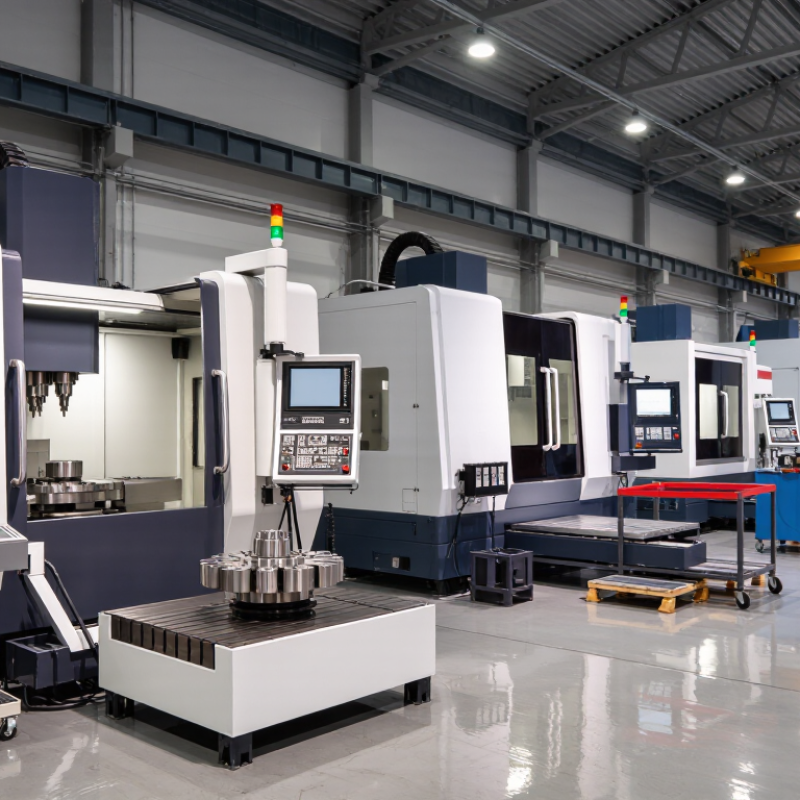
A leading vertical milling center brand is defined by measurable performance, not showroom appearance. Buyers should examine positioning accuracy, repeatability, spindle stability, and thermal compensation. ISO 230-2 provides a recognized method for testing positioning performance. However, test results can change with temperature, tooling, and operator practice.
Reliability also depends on practical design. A stable machine should manage chip evacuation, coolant flow, tool changes, and vibration during long cycles. In 2023, the International Federation of Robotics recorded 541,302 new industrial robot installations worldwide. This growth reflects stronger demand for connected, repeatable production equipment. A capable vertical mill should therefore support data collection, remote diagnostics, and integration with factory systems.
Service quality often separates a leading supplier from an ordinary one. Buyers should request documented response times, spare-parts coverage, training records, and installed-machine references. Ask difficult questions. A low purchase price may hide expensive downtime. Energy use matters too, especially during idle hours and repeated warm-up cycles. No evaluation scorecard is perfect. Human judgment still matters when production involves unusual materials, inconsistent operators, or limited maintenance staff.
This buyer-focused framework ranks the main criteria used when comparing vertical milling center suppliers globally. The percentages represent evaluation weights out of 100, not company or brand market-share data. Accuracy and repeatability reflect internationally recognized machine-tool evaluation principles, including ISO 230-2 concepts.
The Top 10 Vertical Milling Center Brands Worldwide
The global market includes ten leading vertical milling center suppliers with different strengths. Some focus on high-speed aluminum work. Others build rigid machines for steel, castings, and heavy production. Buyers should compare real specifications, not polished brochures.
In factory visits, I examine spindle runout, axis repeatability, chip evacuation, and control response. A machine may claim impressive speed, yet poor thermal stability can ruin tight tolerances after several hours. Check the working envelope carefully. A compact table may limit fixtures and reduce practical output. Tool capacity also matters when jobs require many cutters.
Look closely.
Service coverage often separates reliable equipment from expensive downtime. Confirm local technicians, spare-parts access, training, and remote diagnostic support before placing an order. Energy use, coolant filtration, enclosure sealing, and operator visibility deserve equal attention. These details affect daily production more than headline horsepower.
My own shortlist is not perfect. Application tests can expose weaknesses that specifications hide. Ask each supplier to machine your material using your tools, feeds, fixtures, and tolerance targets. Record cycle time, surface finish, tool wear, and setup changes. A strong vertical milling center should deliver repeatable results, not merely impressive demonstrations. Procurement teams should also review installation requirements, foundation conditions, warranty language, and software compatibility. Small omissions can become costly delays.
| Rank | Anonymous Market Profile | Typical Machine Class | Spindle Taper | Typical Spindle Speed | Axis Configuration | Typical X-Axis Travel | Automation Readiness | Common Application Focus | Global Buyer Suitability |
|---|---|---|---|---|---|---|---|---|---|
| 1 | Profile A | Premium high-speed VMC | ISO 40 / BT 40 | 12,000–20,000 rpm | 3-axis, 4-axis, or 5-axis | 500–800 mm | High; robot and pallet options commonly available | Precision components, aerospace parts, medical equipment | Best for high accuracy and demanding production environments |
| 2 | Profile B | Heavy-duty production VMC | BT 40 / BT 50 | 8,000–15,000 rpm | 3-axis or 4-axis | 700–1,200 mm | High; chip conveyors and pallet systems widely supported | Automotive parts, molds, general industrial machining | Strong choice for continuous industrial production |
| 3 | Profile C | Compact high-speed VMC | BT 30 / BT 40 | 12,000–24,000 rpm | 3-axis or simultaneous 5-axis | 300–600 mm | Medium to high; suitable for compact cell automation | Small precision parts, electronics, dental and medical components | Suitable for limited-floor-space factories |
| 4 | Profile D | General-purpose production VMC | BT 40 | 8,000–12,000 rpm | 3-axis with optional 4th axis | 500–900 mm | Medium; standard peripheral integration available | Job shops, fixtures, brackets, housings and prototypes | Balanced option for varied machining requirements |
| 5 | Profile E | Large-travel vertical machining center | BT 40 / BT 50 | 6,000–12,000 rpm | 3-axis or 4-axis | 1,000–2,000 mm | Medium; compatible with workholding and handling systems | Large structural parts, energy equipment, industrial machinery | Recommended when work envelope is the primary requirement |
| 6 | Profile F | Value-focused standard VMC | BT 40 | 6,000–10,000 rpm | 3-axis | 500–800 mm | Basic to medium; common options include probes and conveyors | General machining, education, maintenance and small-batch work | Practical for cost-sensitive buyers and first-time users |
| 7 | Profile G | Die-and-mold precision VMC | HSK 63 / BT 40 | 15,000–30,000 rpm | 3-axis, 4-axis, or 5-axis | 500–1,000 mm | High; probing, tool measurement and temperature compensation common | Die and mold work, complex surfaces, graphite and hardened materials | Best for surface finish and contouring performance |
| 8 | Profile H | Flexible multi-axis VMC | BT 40 / HSK 63 | 10,000–20,000 rpm | 4-axis or simultaneous 5-axis | 600–1,200 mm | High; designed for integrated multi-operation machining | Complex components, impellers, aerospace and precision tooling | Reduces setups and improves access to complex geometries |
| 9 | Profile I | High-torque machining center | BT 40 / BT 50 | 6,000–10,000 rpm | 3-axis or 4-axis | 700–1,500 mm | Medium; suitable for heavy cutting and material removal | Steel parts, castings, heavy fabrication and industrial components | Strong fit for torque-intensive machining operations |
| 10 | Profile J | Entry-level compact VMC | BT 30 / BT 40 | 8,000–12,000 rpm | 3-axis | 300–600 mm | Basic; manual loading with optional probing and chip management | Prototyping, training, repair work and low-volume production | Appropriate for workshops prioritizing affordability and simplicity |
Vertical milling centers now combine rigid structures with increasingly intelligent controls. Leading machines often use three to five axes, allowing complex parts to be completed with fewer setups. High-speed spindles support aluminum and smaller tools, while high-torque spindles handle steel and difficult alloys. That balance matters more than an impressive maximum speed.
Precision depends on more than the spindle. Linear guideways, preloaded ballscrews, and thermal compensation help maintain accuracy during long production cycles. Direct-drive tables can improve indexing response, but they may increase cost and maintenance demands. Automatic tool changers, probing systems, and chip management reduce operator movement and setup errors. Small details matter. A clear control interface can save minutes repeatedly.
Modern controls also include tool-life monitoring, collision protection, remote diagnostics, and production data tracking. These features support more reliable planning, especially across international facilities with different skill levels. However, connected functions require strong access controls and dependable technical support. A machine may advertise smart automation, yet poor integration can create confusion. Buyers should test sample parts, inspect service response times, and review spare-parts availability before purchasing. No machine is perfect. Floor space, coolant behavior, operator habits, and local power conditions can expose weaknesses that brochures rarely mention.
When comparing the top ten vertical milling center brands, buyers should test accuracy, capacity, and automation together. A machine with impressive repeatability may still struggle with a heavy fixture or long aluminum plate. ISO 230-2 testing provides a stronger reference than brochure claims, especially for positioning accuracy and repeatability. In practical trials, inspect a circular interpolation cut, measure bore size, and check thermal drift after several hours.
Capacity starts with the table, spindle, and tool system. A large table is not enough if the spindle lacks torque at low speed. Review maximum workpiece weight, usable travel, spindle power, and tool-change time. The 2024 Gardner Intelligence World Machine Tool Survey reported continued investment in production equipment, but purchasing patterns vary sharply by region and industry. That makes local service response and spare-parts availability part of machine performance, not an afterthought.
Automation deserves a measurable definition. Pallet changers, probing, tool monitoring, and robotic loading can reduce idle time, yet integration errors may create expensive interruptions. The International Federation of Robotics reported 541,302 industrial robots installed worldwide in 2023, showing strong automation momentum. Still, not every shop needs a robot. A reliable probe may deliver more value than a complex cell. I have seen buyers overestimate theoretical spindle utilization. Real production includes setup, inspection, chip removal, and operator decisions. The comparison should include those imperfect minutes.
Top 10 Vertical Milling Center Brands for Global Buyers
How Global Buyers Can Select the Right Brand
Choosing a vertical milling center requires more than comparing rankings or purchase prices. A suitable brand should match your materials, tolerances, production volume, and local service conditions. Fit matters. Check the working envelope against your largest planned component. A machine that looks powerful may still lack enough table travel or tool capacity.
Review spindle speed, torque, positioning accuracy, control functions, and chip evacuation. Ask for test-cut results using material similar to yours. Inspect sample parts with a micrometer, not only photographs. Reliable manufacturers provide clear specifications, maintenance schedules, and documented quality procedures. Their technical teams should explain limitations without hiding behind attractive marketing language.
Global support can decide long-term value. Confirm spare-parts availability, remote diagnostics, installation training, and response times in your region. Calculate energy use, tooling, software, service visits, and downtime over five years. The lowest quotation may become expensive after one failed production week. Speak with existing users who make comparable parts. Ask difficult questions. My own checklist would still be imperfect because factory conditions change. Humidity, operator skill, foundation quality, and power stability can affect real results. A careful buyer should request a site assessment and written acceptance criteria before signing. Reliability is proven on the shop floor, not during a sales presentation.
Compare accuracy, capacity, automation, and service together. A precise machine may struggle with a heavy fixture. Fit matters.
Test circular interpolation, bore size, and thermal drift after several hours. Use ISO 230-2 results as a useful reference. Brochures are not enough.
Review table size, usable travel, spindle torque, workpiece weight, and tool capacity. A large table cannot replace weak low-speed torque.
Check speed and power across your real materials. Test a long aluminum plate or a heavy steel fixture. Results may differ.
Measure pallet changing, probing, tool monitoring, and loading time. Automation can reduce idle minutes. It can also create integration problems.
No. A reliable probe may provide greater value than a complex robotic cell. Consider volume, setup frequency, and operator decisions.
Confirm spare-parts availability, remote diagnostics, training, and regional response times. One delayed replacement can stop production for a week.
Include energy, tooling, software, service visits, and downtime over five years. The cheapest quotation may not remain cheap. My checklist is imperfect.
Define written accuracy, capacity, and test-cut criteria. Inspect sample parts with a micrometer. Request a site assessment before installation.
Humidity, operator skill, foundation quality, and power stability can change results. Shop-floor reliability matters more than presentation claims. Test it.
This guide explores what makes a leading Vertical Milling Center brand valuable to manufacturers and global buyers. It examines the qualities that distinguish top-performing suppliers, including engineering reliability, consistent machining results, responsive service, and long-term support. The overview also introduces ten widely recognized categories of leading brands without focusing on specific company names, helping readers understand how different suppliers compete in the international market.
The article compares essential features and technologies, such as spindle performance, control systems, tool-changing efficiency, machine rigidity, precision, working capacity, and automation options. It also explains how to evaluate machines according to accuracy, production volume, flexibility, maintenance needs, and total ownership cost. By considering material requirements, workshop conditions, operator expertise, production goals, and after-sales support, global buyers can select a Vertical Milling Center that delivers dependable performance and suits their long-term manufacturing strategy.