 Fishen
Fishen
Fishen
In the world of manufacturing, the "Vertical Lathe Machine" plays a crucial role. As an experienced expert in the field, Dr. James Connors states, “Investing in the right lathe can transform your production capabilities.” This statement underscores the importance of making informed choices when selecting such machinery.
Vertical lathe machines are essential for precision machining. They handle large components effectively, ensuring quality and efficiency in production. However, varying models and specifications can complicate purchasing decisions. Buyers must consider factors like size, power, and capabilities to find a machine that fits their unique needs.
While researching options, keep in mind that not every machine suits every task. Evaluate the specific applications and required features before committing. A comprehensive understanding of what the market offers can lead to more thoughtful decisions. This guide aims to provide key insights to help buyers navigate the complexities of acquiring a vertical lathe machine.
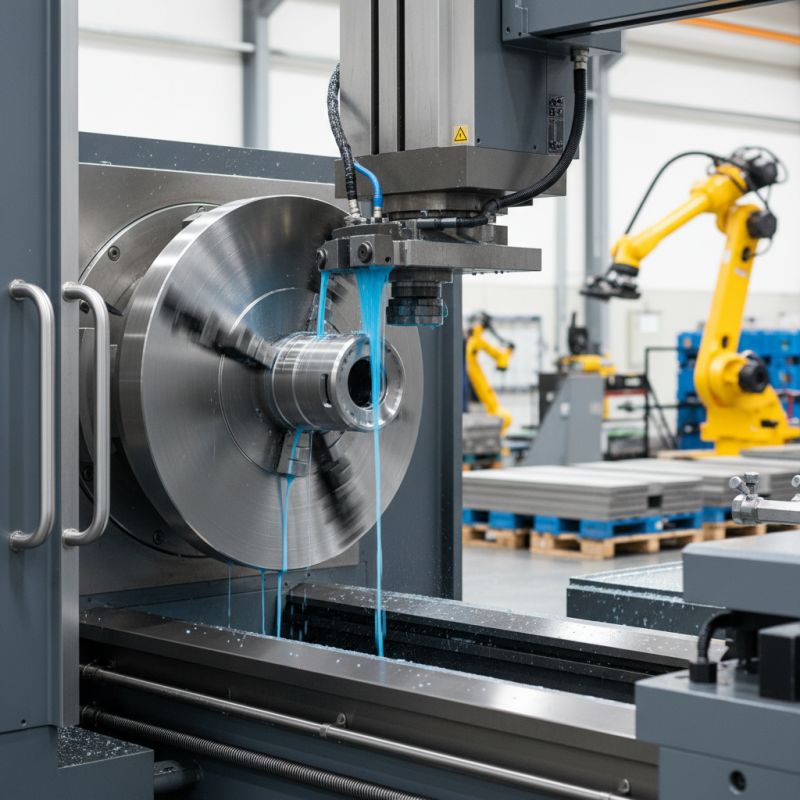
Vertical lathe machines are essential tools in modern manufacturing. They specialize in machining large and heavy workpieces, making them invaluable in industries like aerospace and automotive. According to industry reports, the global vertical lathe machine market is expected to reach $3.5 billion by 2026. As production processes evolve, understanding these machines and their applications becomes crucial for manufacturers looking to enhance efficiency.
These machines excel in turning operations, providing superior precision and quality. Vertical lathes can handle components up to several tons, offering significant advantages in terms of stability. However, beyond their typical applications, many buyers overlook the potential for innovative uses in complex machinery. For instance, some manufacturers adapt vertical lathes for multi-tasking operations, combining turning with milling and drilling. This flexibility can lead to improved production times, but integrating additional functions requires careful planning and expertise.
Despite these benefits, not all vertical lathe machines are equally effective. Some may lack the rigidity or control options necessary for specialized tasks. Buyers must evaluate machine specifications thoroughly. Industry reports indicate that nearly 25% of manufacturing inefficiencies stem from inadequate machinery. It is vital to align machine capabilities with specific production needs, ensuring a fit for purpose approach rather than a one-size-fits-all mentality.
| Feature | Description | Importance | Average Price (USD) |
|---|---|---|---|
| Swing Diameter | The maximum diameter of the workpiece that can be accommodated for turning. | High | $20,000 - $150,000 |
| Spindle Speed Range | The range of speeds the spindle can operate, affecting the type of materials that can be processed. | Medium | $15,000 - $100,000 |
| Control System | Type of CNC control used for programming the lathe operations. | High | $5,000 - $30,000 |
| Tool Holder Type | The design of the tool holder that affects tooling versatility and changeover time. | Medium | $1,000 - $5,000 |
| Floor Space Requirement | The space needed for installation and operation of the machine. | Medium | N/A |
: Focus on rigidity and stability for precision machining. These factors prevent inaccuracies caused by vibrations.
A user-friendly control system reduces training time and enhances efficiency, making operation smoother for users.
CNC technology increases productivity significantly. It minimizes human error and ensures consistent quality in operations.
Choosing the right cutting tools is essential. Incorrect tools can lead to increased wear, reducing machine efficiency.
Different models may excel in various applications. Assessing them helps ensure that you select the best one for specific needs.
Look for machines with thorough documentation and easy access to parts. This aids in maintenance and ensures smooth operations.
Establish trust with suppliers and seek case studies. Engaging with experienced users can provide valuable insights into machine performance.
Lower-priced machines often lead to higher operational costs due to maintenance issues. This can greatly affect productivity in the long run.
Consider the materials and sizes of workpieces. These factors help define the quality required for effective machining.
Engaging with professionals can provide insights into machine longevity and performance. This feedback is crucial for informed choices.
The article titled "Top Vertical Lathe Machine Buying Guide for Global Buyers" provides a comprehensive overview of vertical lathe machines and their varied applications in manufacturing. It emphasizes the importance of understanding key features such as precision, size, and user interface when selecting a vertical lathe machine. Global buyers are guided on how to compare different brands and models effectively, with insights into essential considerations that impact purchase decisions.
Additionally, the article discusses the delicate balance between price and quality, urging buyers to invest wisely for long-term performance. To ensure the longevity of their vertical lathe machines, readers are offered valuable maintenance tips. Overall, this guide equips potential buyers with the necessary knowledge to make informed decisions while navigating the complexities of the vertical lathe machine market.
