 Fishen
Fishen
Fishen
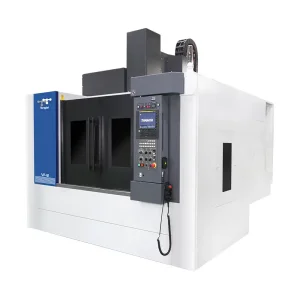
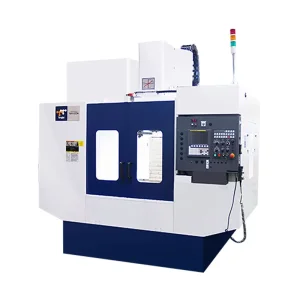
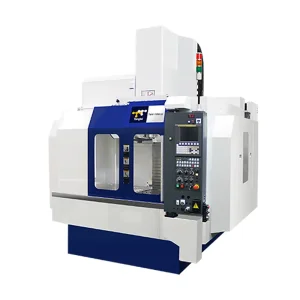
Explore our top-performing 5-axis machining centers, oil-air spindle milling devices, and high-rigidity CNC setups.
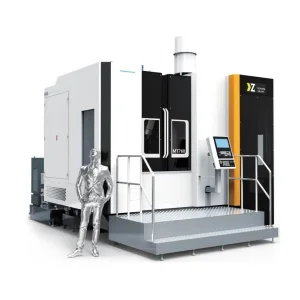
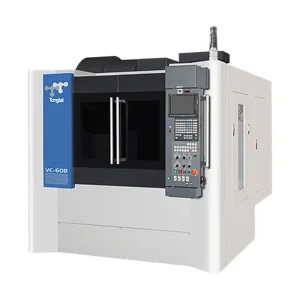
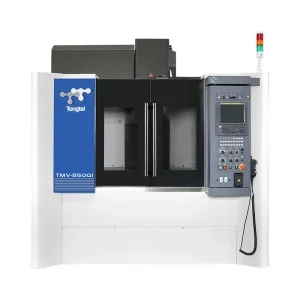
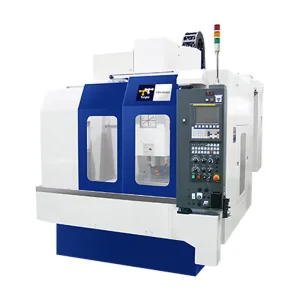
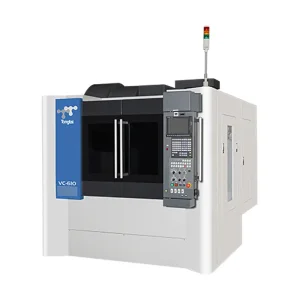
Ningbo Fishen Intelligent Equipment Co., Ltd. stands as a benchmark enterprise specializing in the design, development, and system integration of high-performance metal cutting machinery. Our long-term vision is built upon transforming manufacturing shop floors via automated CNC systems that offer unparalleled rigidity, repeatability, and structural integrity.
A modern CNC machining center is not merely a combination of linear rails and spindle units; it represents an advanced cyber-physical system designed to optimize production runs without human variance. Leveraging structural analysis methods such as Finite Element Method (FEM) and advanced dynamic balancing, we supply robust production gear capable of handling complex contouring and high metal-removal rates.
With an extensive technological foundation built over decades, we continue to engineer equipment tailored for aerospace component manufacturing, automotive production lines, die/mold fabrication, and general precision parts production.
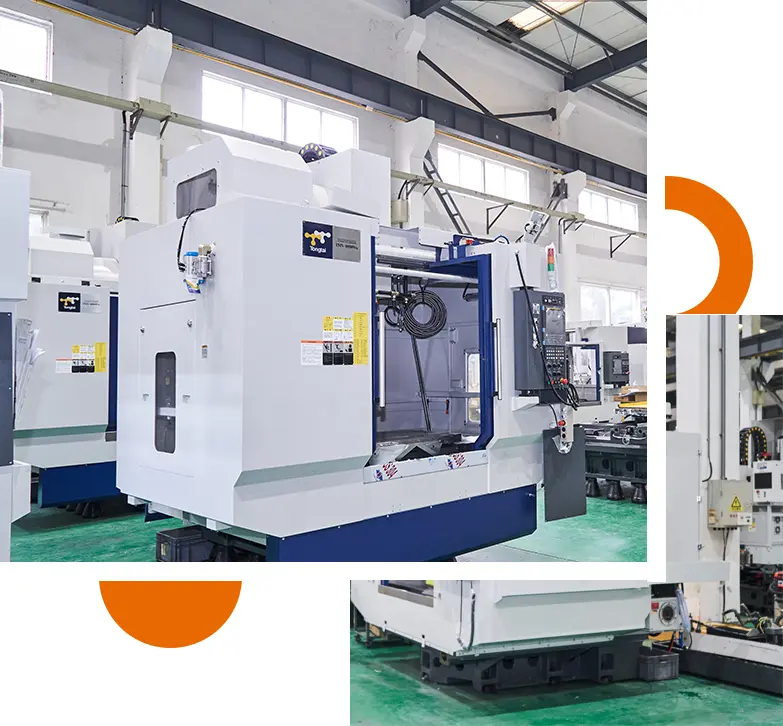
Analyzing key shifts in modern metal cutting, high-speed spindles, and automated structural designs.
The evolution from 3-axis systems to complex multi-axis simultaneous machinery has redefined setup strategies. Simultaneous 5-axis systems utilize continuous coordinate mapping to keep cutting tools perpendicular to complex surfaces, reducing process steps and dynamic geometry errors.
Modern operations demand spindles that run at higher speeds while maintaining micro-level accuracy. Real-time temperature management via oil-air lubrication systems mitigates structural thermal expansion, extending spindle and tool life during continuous heavy cutting.
Cycle optimization relies closely on reducing non-cutting intervals. High-speed automatic tool changers (ATC) alongside dual-arm armless carousels drop tool change times down to 1.5–2.0 seconds, boosting throughput across large production runs.
Technical evaluation parameters and quality expectations of global supply chain managers.
Procurement teams evaluate dynamic structural behaviors using ISO 230-2 protocols. Standard requirements specify positioning accuracies under 0.005mm and repeatability limits of 0.003mm. Our high-precision components use C3-class double-nut ball screws with pre-tension systems, preventing linear thermal errors under continuous operations.
Procuring CNC machines involves calculating overall ownership costs over a 10-to-15-year window. Key performance indicators (KPIs) prioritize the Mean Time Between Failures (MTBF) and overall maintenance costs. High-rigidity box ways paired with oil-air lubricated spindles minimize friction-induced wear, ensuring years of dependable operation.
Heavy duty milling requires robust structural castings to dampen vibration. Machine bases constructed from Meehanite cast iron, stress-relieved through thermal processes, provide excellent damping characteristics compared to standard welded frames. This stability prevents micro-chatter, ensuring superior surface finishes and preserving tool geometries.
Modern factories demand seamless integration with existing industrial protocols. Machines must interface with Fanuc, Siemens, or Mitsubishi controls while communicating via MTConnect or OPC UA. These communication pathways enable remote monitoring, predictive tool wear tracking, and integration with automated robotic loaders.
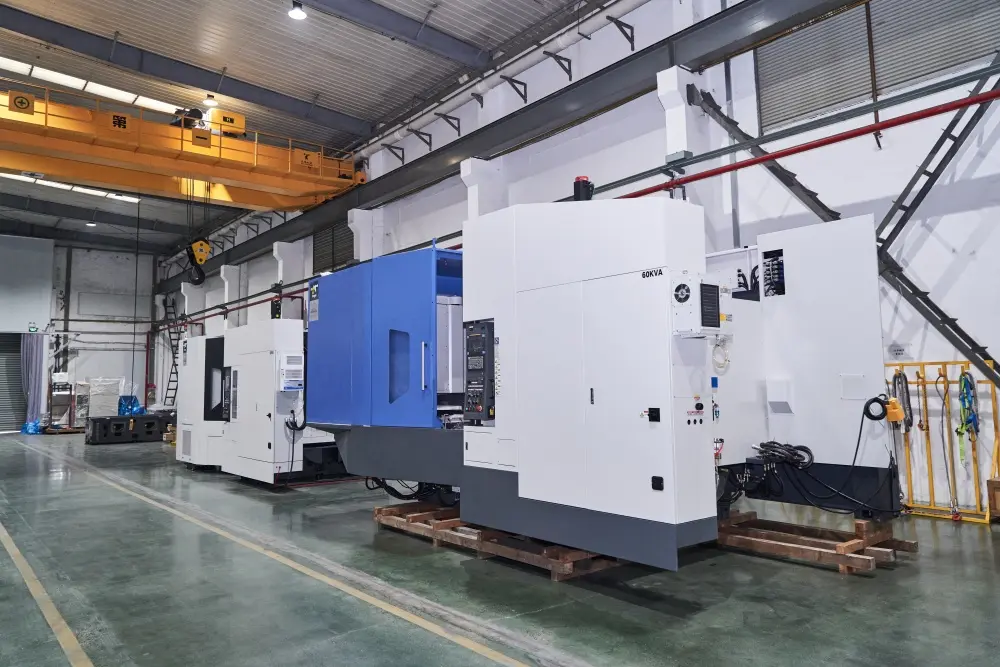
The convergence of industrial robotics, cloud-based manufacturing scheduling, and local material supply chains has positioned Chinese manufacturing hubs as highly reliable partners for global equipment distribution.
At Ningbo Fishen, we leverage local casting facilities, precision gearbox manufacturers, and advanced logistics channels to offer cost-competitive solutions without sacrificing performance. This integration enables us to source raw materials, execute precision grinding, assemble units, and perform laser interferometer verification all within a single ecosystem.
By using modular design frameworks, we adapt to custom production demands rapidly. Our production workflow reduces overall build times by 30%, helping global partners navigate dynamic market changes with minimal disruption.
Why Tier-1 industrial buyers rely on Fishen Intelligent for their metal cutting requirements.
Our engineering team specializes in optimization projects focusing on spindle thermal drift, high-speed tool trajectories, and structural modal analysis. We consistently refine designs to match challenging material requirements like titanium and nickel alloys.
We analyze customer production metrics to identify common operational bottlenecks, such as tool wear rates and Chip-to-Chip cycle times. We customize chip disposal setups, splash guard enclosures, and ergonomic controls to match specific floor environments.
We check every machine through rigorous static, dynamic, and thermal evaluations. Standard protocols include coordinate measuring machine (CMM) testing, dynamic axis tuning, and continuous run-in tests before shipping to international customers.
Our mission focuses on providing manufacturing facilities with the equipment necessary to maintain a competitive edge. Through precision assembly, continuous technology integration, and customer-first service, we address real-world fabrication challenges.
"Details achieve quality; quality forges value." This philosophy guides every step of our assembly process. From scraping mating surfaces by hand to selecting reliable Japanese and German bearings, we prioritize the longevity and reliability of our systems.
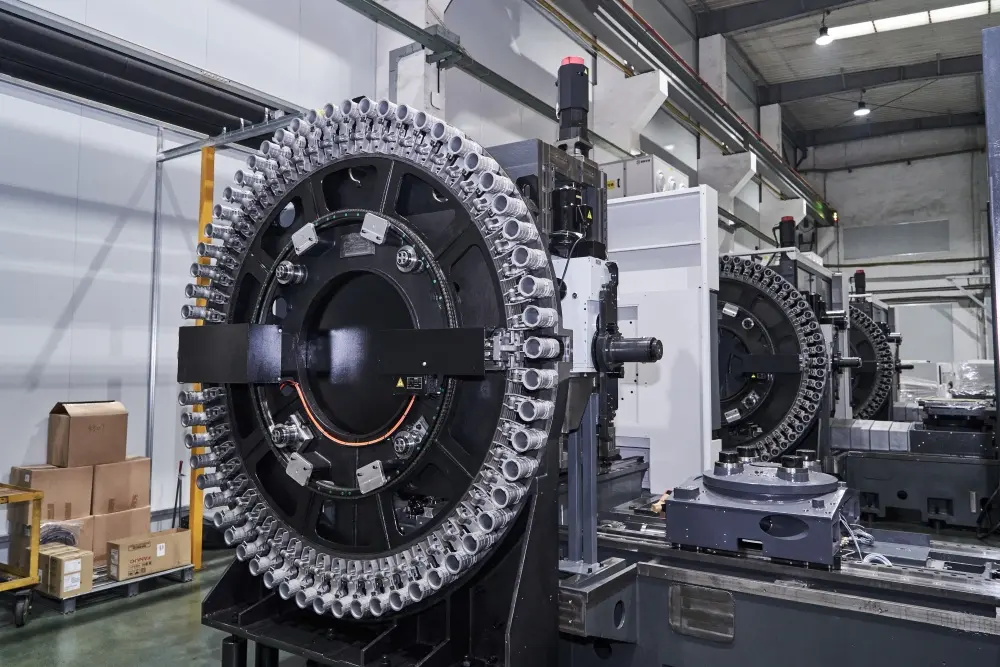
Consistently empower metal cutting enterprises to build production advantages.
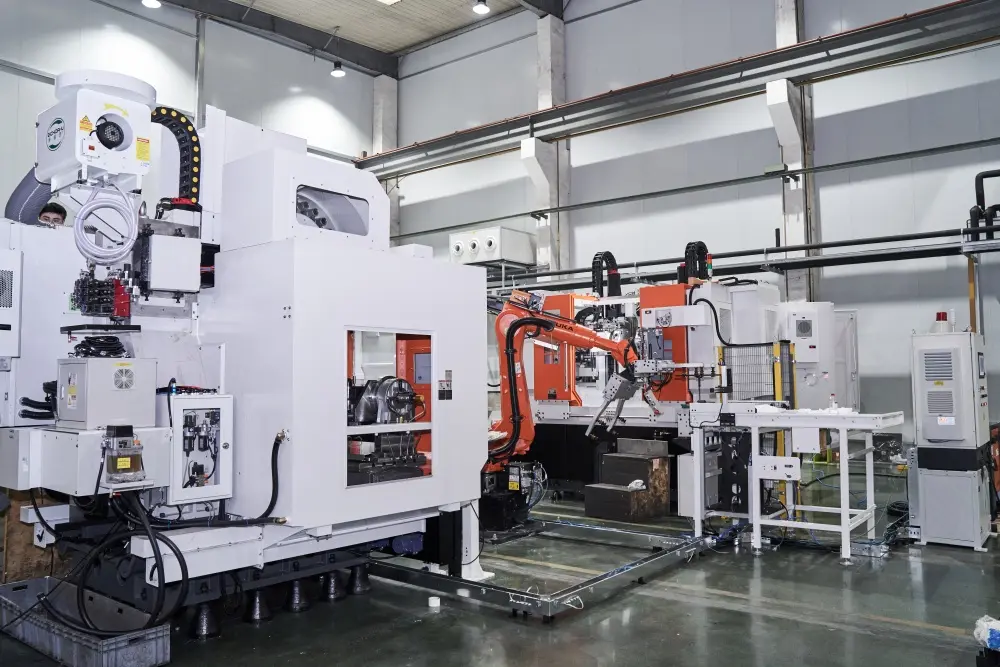
Verify structural details under strict protocols to deliver consistent quality and value.
How our machines perform in demanding, high-stakes manufacturing scenarios.
Heavy machining of high-strength components such as engine mounts and bulkheads requires maximum rigidity. Our systems handle demanding cuts in titanium alloys, keeping structural vibration to a minimum to extend tool life.
Designing intricate automotive and injection molds requires continuous accuracy over long cycles. High-speed vertical machining centers provide the thermal stability needed to prevent contour variations, delivering smooth surface finishes that minimize manual polishing.
Mass-producing engine blocks, cylinder heads, and transmission cases demands high uptime. Our moving-column CNC centers, equipped with automatic pallet changers, enable seamless part loading and unloading to support automated production lines.
Addressing crucial technical questions about design, setup, and machinery performance.
Oil-air systems deliver precise, micro-metered quantities of oil directly into the spindle bearings at set intervals. This constant supply offsets friction heat and prevents grease washout. As a result, the spindle experiences less thermal growth, maintaining positioning accuracy during continuous high-RPM runs.
Box ways feature a broader surface contact area, providing excellent vibration damping and stability under heavy cutting forces. This configuration is ideal for machining tough materials or taking deep, aggressive cuts. Linear guideways, on the other hand, reduce friction for faster rapid-traverse speeds, making them best suited for high-speed, light-duty applications.
An APC permits operators to set up workpiece fixtures on an external pallet while the machine runs a program on an internal pallet. When the active cycle finishes, the system swaps the pallets in seconds, minimizing setup downtime and boosting overall machine utilization.
Simultaneous 5-axis machining dynamically coordinates all five axes to keep the cutting tool at an optimal angle relative to complex 3D profiles. This continuous movement allows the machine to carve compound curves in a single setup, avoiding the tool marks and inaccuracies typical of 3+2 index positioning.
We cast all structural frames using high-grade Meehanite iron, which then undergoes thermal stress-relieving procedures. This step stabilizes the crystalline structure of the metal, preventing warping or twisting over years of operational temperature cycles.
Explore our heavy-duty vertical milling machines, dual-spindle setups, and compact drill-tap systems.