 Fishen
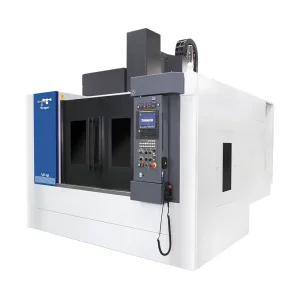
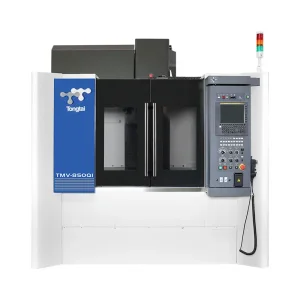
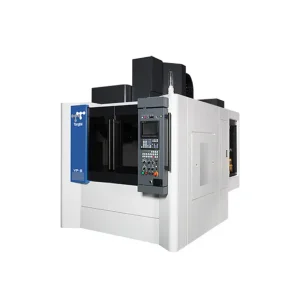
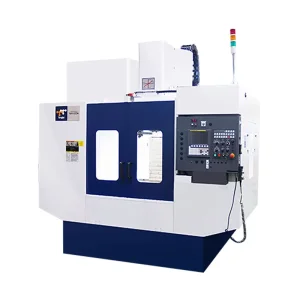
Explore our precision-engineered machining centers — trusted by casting, forging, mold-making, and high-mix manufacturers across the globe. Each machine is designed to deliver measurable information gain in accuracy, cycle time, and total cost of ownership.
Casting and forging remain the backbone of modern industrial manufacturing. As global supply chains re-balance between cost, resilience, and sustainability, China has consolidated its position as the world's largest producer — while buyers increasingly demand verifiable expertise, ESG compliance, and end-to-end engineering partnership rather than commodity pricing alone.
The worldwide metal casting market is projected to exceed USD 190 billion, while the forged parts market approaches USD 100 billion, driven by automotive lightweighting, wind energy, and industrial automation. China contributes over 45% of global casting output.
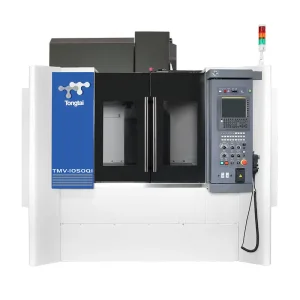
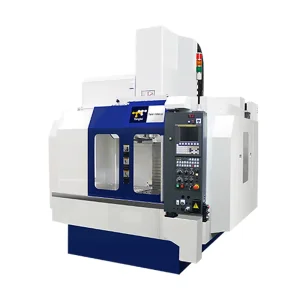
Buyers now prioritize dimensional tolerance, surface integrity, and near-net-shape capability. Machining centers like the Tongtai TMV-1050QI enable tight Z-axis control for finishing cast and forged parts without secondary operations.
EU CBAM and Scope 3 reporting are redefining supplier selection. Energy-efficient foundries and CNC machining centers with reduced idle power are winning enterprise-level contracts across Europe and North America.
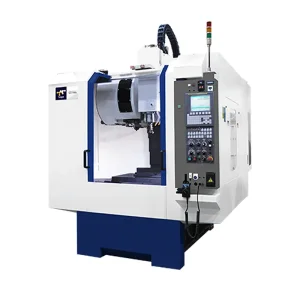
Industry 4.0 adoption — IoT-enabled spindles, digital twin simulation, and automated pallet changers — is separating top-tier factories from legacy operations. The QVM-610AII is a direct answer to this shift.
Western OEMs pursue dual-sourcing strategies, yet China's casting and forging ecosystem — with mature tooling, skilled labor, and cost efficiency — remains irreplaceable for mid-to-high volume programs.
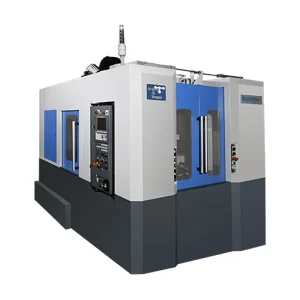
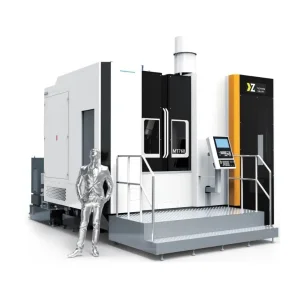
5-axis machining centers like the YUZHONG MT760 reduce setups, shorten lead times, and improve accuracy for complex forged and cast components in aerospace and medical fields.
Understanding the macro forces behind casting and forging determines both factory investment and buyer sourcing strategy. Below are the trends that drive measurable outcomes through 2030.
Aluminum and high-strength steel castings dominate automotive EV platforms. Forging suppliers invest in heat-treatment consistency and grain-flow control to meet crash-safety standards.
Auto pallet changers, robot-tended VMCs, and lights-out production are becoming baseline requirements for factories targeting Tier-1 OEM contracts.
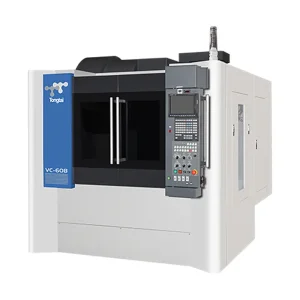
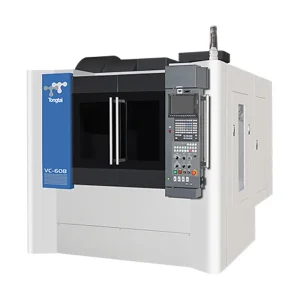
Hybrid casting-plus-machining workflows reduce scrap. High-speed finishing centers with oil-air spindles — like the VC-608 — deliver mirror-surface output on cast blanks.
Casting and forging manufacturing does not exist in abstraction — each region demands a tailored mix of machine capability, compliance, and service depth. Here is how localized demand shapes machine selection.
High-volume aluminum castings for battery housings and structural parts. Heavy-duty machining centers like TMV-1600A provide box-way rigidity for consistent tool life.
5-axis machining of forged titanium and Inconel components. YUZHONG MT760 delivers high-rigidity precision demanded by AS9100 environments.
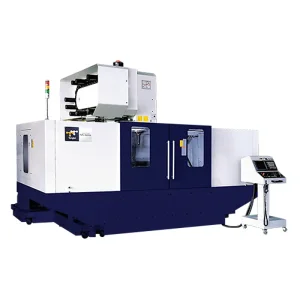
Oversized molds for consumer electronics and appliances. Extra-large mold CNC mills like the VC-711 with oil-air spindles deliver thermal stability on long cycles.
Large cast hubs and forged gear blanks require heavy-load precision. TMV-1500A and TMV1350A support high metal-removal rates without sacrificing accuracy.
A credible roadmap is a signal of expertise. Below is how Fishen Intelligent and the broader China casting and forging machinery sector is progressing toward 2030.
Auto pallet changers, direct-drive spindles, and high-speed tool change (TMV-1050QII) become standard on mid-tier machines. Buyers demand documented OEE.
IoT sensors on spindles and linear guides feed predictive maintenance dashboards. Machine uptime is contractualized with customers.
CAM-to-machine workflows simulate cast-part finishing before cutting metal. First-part-right yield crosses 95% on complex forgings.
Unmanned turning and machining cells handle small-batch casting variants. AI-driven tool-path optimization reduces energy per part.
Defining the Future of Precision Engineering
Decades of accumulated engineering know-how underpin our machining center platforms. Our 3+ production bases enable scale without compromising quality.
Ningbo Fishen Intelligent Equipment Co., Ltd. specializes in manufacturing, R&D, and sales-service for high-precision machining equipment. We advance metal cutting technology to deliver reliable, efficient, future-oriented solutions to global manufacturers.
We don't just supply machines — we tailor solutions to solve real-world production challenges. Fishen is a trusted partner for industries demanding strict precision, and we strive to become China's most competitive CNC machining center manufacturer and service provider.
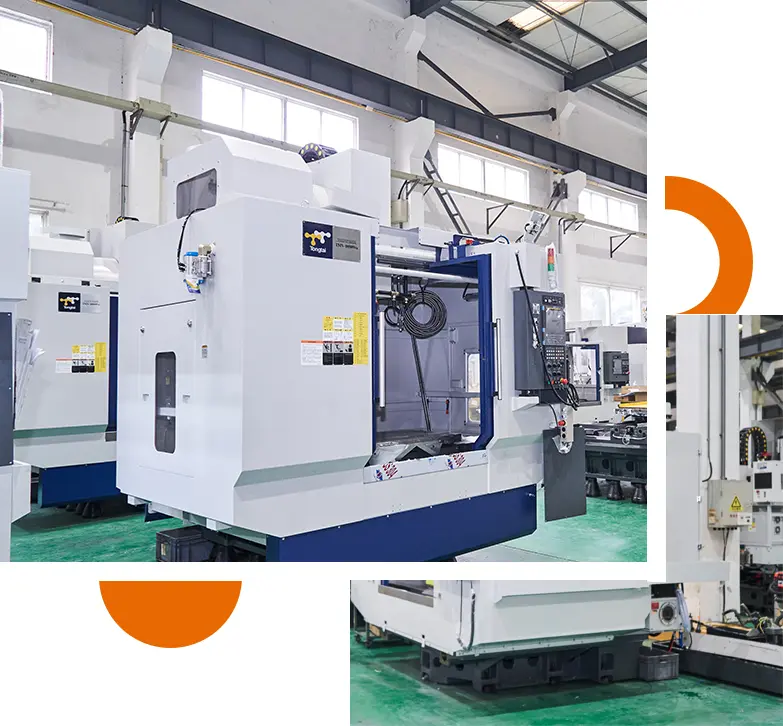
Innovation & Quality That Drives Performance — built on two pillars: technological innovation and uncompromising quality.
We maintain a dedicated technical team treating innovation as the lifeblood of sustainable development. Our engineers continuously refine machine designs — from spindle performance to CNC control systems — keeping our equipment at the forefront of precision engineering.
We place "users' equipment needs" at the center of R&D. Before launching any product, we conduct in-depth research into industry pain points — low production efficiency, inconsistent precision — and tailor improvements to address these challenges directly.
Guided by "Quality First, Customer Supreme," we implement strict quality control throughout manufacturing — from raw material selection to final assembly and testing — ensuring every machine meets international standards.
Building the Backbone of the Equipment Industry
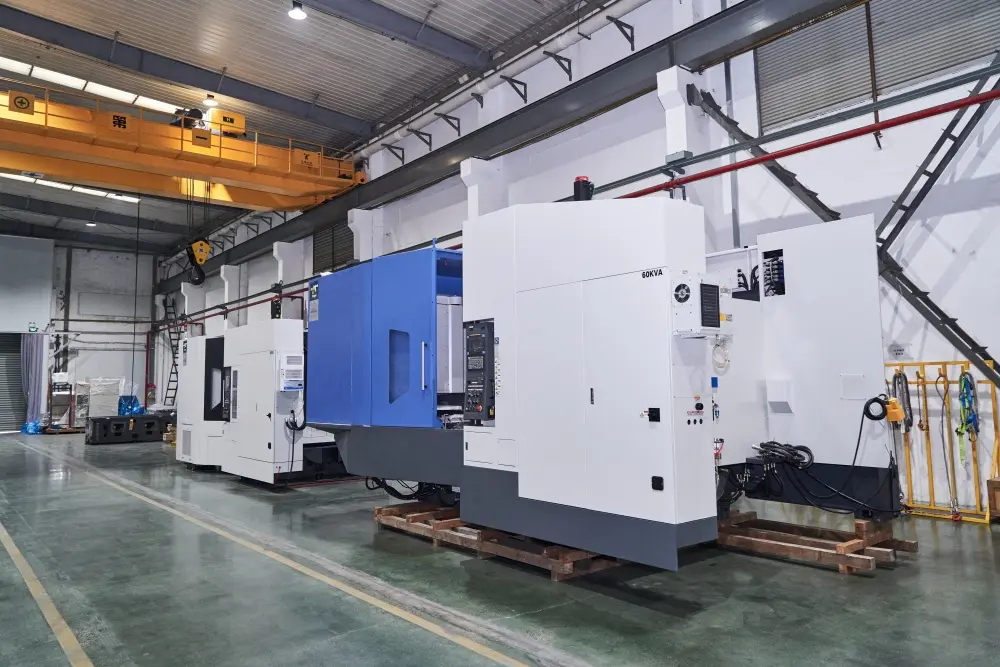
Consistently empower metal cutting enterprises to build production advantages.
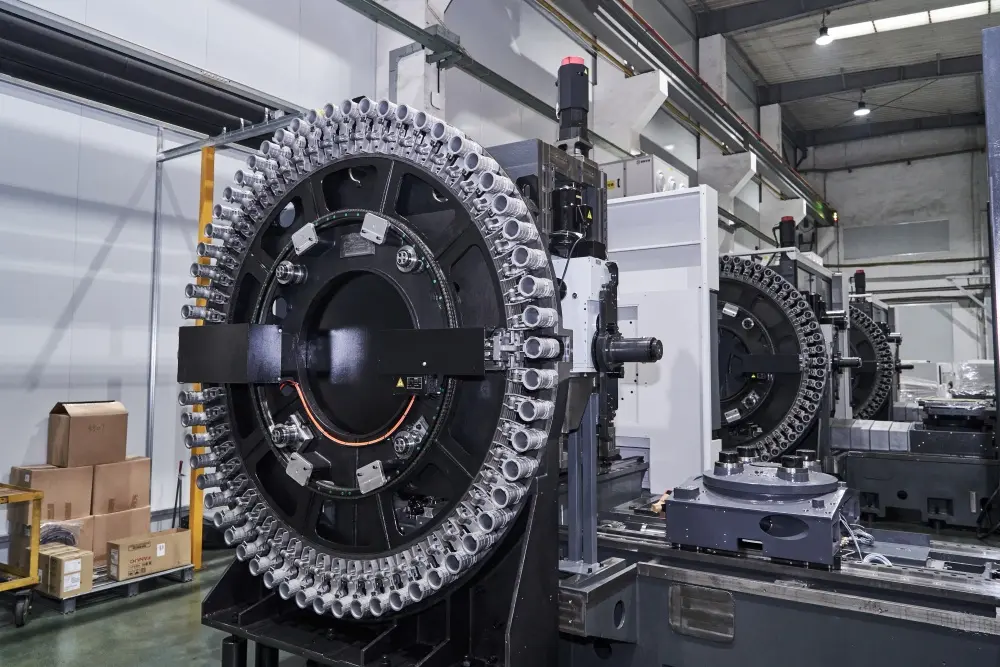
To be the backbone of the equipment manufacturing industry — we innovate for development, contribute to society, and create long-term value for users while building a reputable brand.
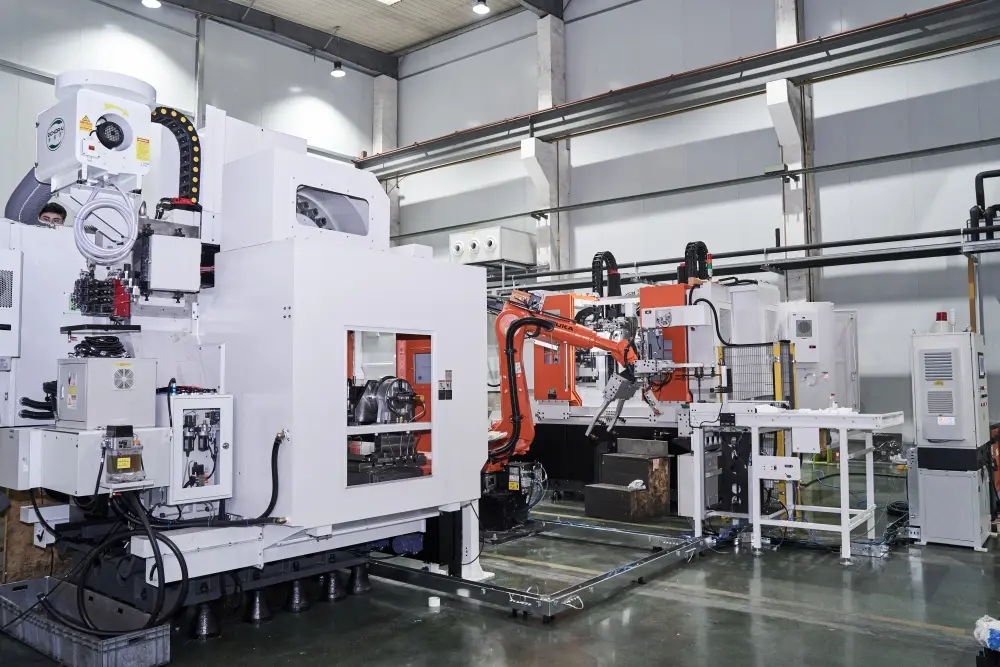
"Details achieve quality; quality forges value." This belief is embedded in every aspect — from the smallest component of a machine to the most comprehensive after-sales service.
When you partner with Fishen, you gain more than a CNC machine supplier — you gain a strategic ally for your manufacturing success.
Equipment optimized for your industry's unique demands — e.g., aerospace-grade precision, automotive-scale efficiency.
Access to the latest CNC technology advancements, keeping your production line competitive.
Comprehensive sales-service coverage, including installation guidance, maintenance training, and timely technical support.
Machines built for long-term stability, reducing downtime and maximizing your return on investment.
Direct answers to the questions buyers ask most when sourcing casting, forging, and CNC machining capability from China.
Casting pours molten metal into a mold, ideal for complex geometry and hollow shapes; forging deforms solid metal under pressure, producing superior grain structure for high-stress parts like crankshafts and aerospace components. Many programs combine both — casting near-net shape, then finishing on a CNC machining center.
Look beyond price per unit: request process traceability, material certificates, dimensional yield reports, and machine tool lists. E-E-A-T signals include ISO/AS9100 certification, documented reference clients, and in-house machining capability (like Fishen's 3+ production bases).
Box-way heavy-duty vertical machining centers such as the TMV1350A and TMV-1600A are designed for stable heavy cutting with minimum vibration — ideal for forged parts and large castings.
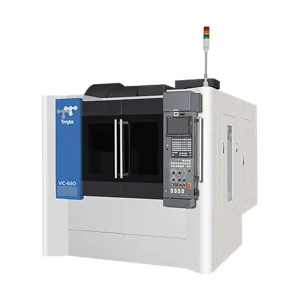
Yes. Extra-large mold mills like the VC-711 and VC-610 use high-load oil-air spindles to machine oversized tooling with thermal stability over long cycles.
Our team configures machines against destination-market standards (CE, UL, ISO, AS9100) from day one and provides installation guidance, maintenance training, and timely technical support for global buyers.
Lightweighting, automation, near-net-shape hybrid workflows, and IoT-driven diagnostics. By 2030, autonomous machining cells and digital-twin validated finishing workflows will define competitive factories.
Additional precision machining centers engineered for casting, forging, mold, and high-mix production environments.