 Fishen
Fishen
Fishen
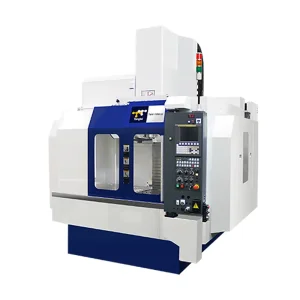
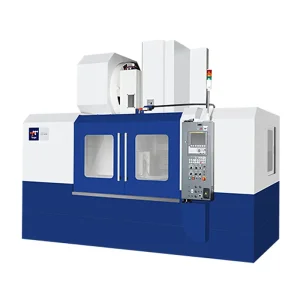
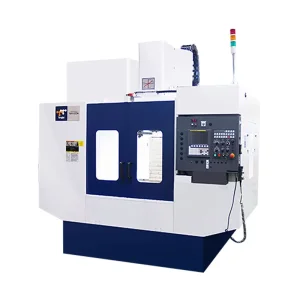
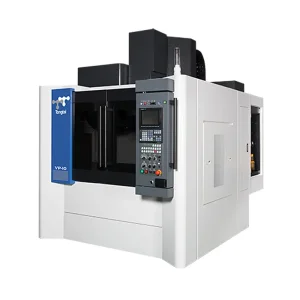
Explore our advanced vertical mills and multi-axis machining centers engineered to integrate seamlessly into robotic manufacturing cells.
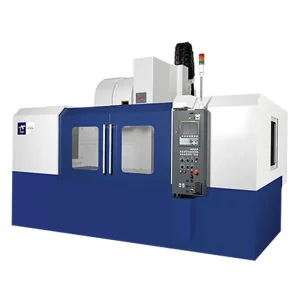
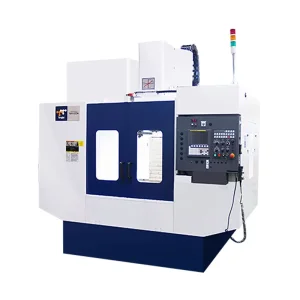
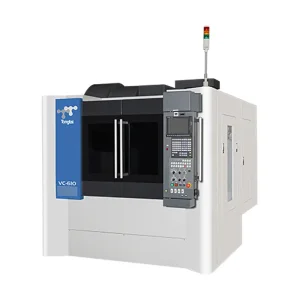
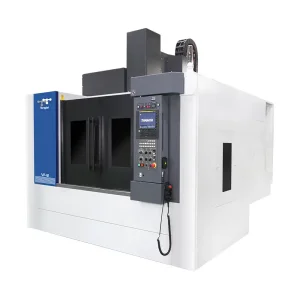
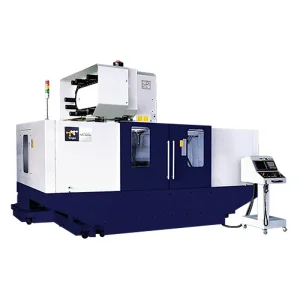
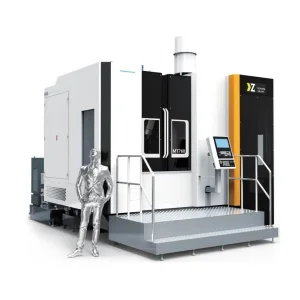
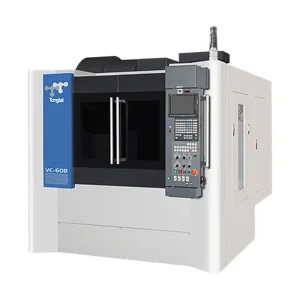
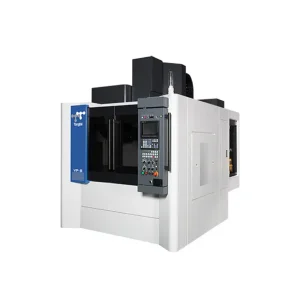
At Ningbo Fishen, we define the future of precision engineering. A CNC machining center is an advanced automated device that executes complex machining processes through precisely controlled movements and automated tool changes. Unlike traditional machining tools that require manual operation, CNC machining centers operate using computerized commands programmed into their systems. This sophisticated technology has revolutionized the manufacturing field, enabling the production of high-quality components with minimal human intervention.
Fishen Intelligent is an integrated enterprise specializing in the manufacturing, research and development, and comprehensive sales-service for high-precision machining equipment. With our deep focus on advancing metal cutting technology, we deliver reliable, efficient, and future-oriented solutions to global manufacturing facilities.
Comprehensive Industry Integration
How the integration of physical robotics and advanced CNC systems establishes a robust, disruption-resistant supply chain.
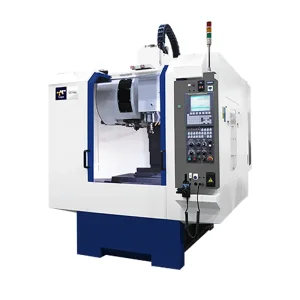
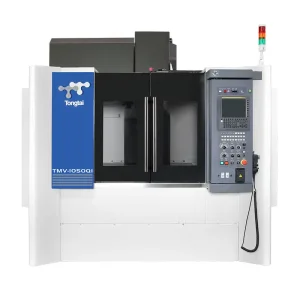
The modernization of manufacturing centers demands structural integrity. Heavy-duty vertical machining centers, such as the Tongtai TMV-1600A, employ high-grade Meehanite cast iron bases and box way designs. When integrating robotic arms for automated loading and unloading, mechanical vibrations are amplified if the base lacks sufficient rigidity.
By combining high-inertia frame architecture with robotic automation systems, Chinese factories ensure structural dampening that stabilizes tool paths during high-feed rate operations. This synergy minimizes tool wear, reduces component rejection rates, and allows production lines to operate autonomously (lights-out manufacturing) for extended cycles.
Robotic automation is not merely an auxiliary arm; it is an integrated physical extension of the CNC’s internal controller, working via standardized interfaces (such as OPC UA or Profinet) to achieve sub-millisecond coordination.
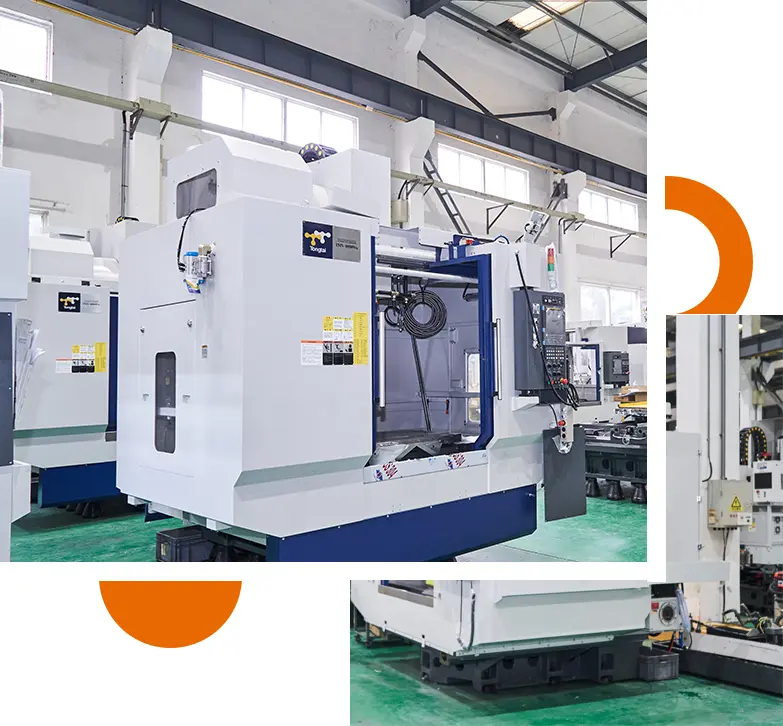
Global supply chains face unprecedented geopolitical and economic shifts. The resilience of Chinese manufacturing factories lies in deep vertical integration. From casting foundries to precision spindle manufacturing and advanced electrical enclosure assembly, every critical step of the value chain occurs in close proximity. This local clustering drastically reduces transport bottlenecks and enables rapid engineering adjustments. When a client requests a modification (e.g., integrating an automated pallet changer system like the QVM-610AII), our manufacturing network coordinates layout designs, pneumatic controls, and logic reprogramming in a fraction of the standard lead time.
Uncompromising commitment to technological innovation, customer satisfaction, and rigorous quality assurance.
We maintain a dedicated, professional technical team that treats innovation as the lifeblood of sustainable development. Our engineers continuously refine machine designs—from optimizing spindle thermal stability to configuring complex PLC protocols for automated line handshakes.
We place users' equipment needs at the center of our development. Before launching any new machine series, we conduct extensive research into operational pain points, such as thermal displacement and chip accumulation, ensuring our solutions target actual factory floor realities.
Guided by our philosophy of "Quality First, Customer Supreme," we implement strict quality gates at every phase—from raw material inspection and laser interferometer calibration of axes to extended dry-run tests under simulated load conditions.
Consistently empowering metal cutting enterprises and building the technological backbone of global manufacturing.
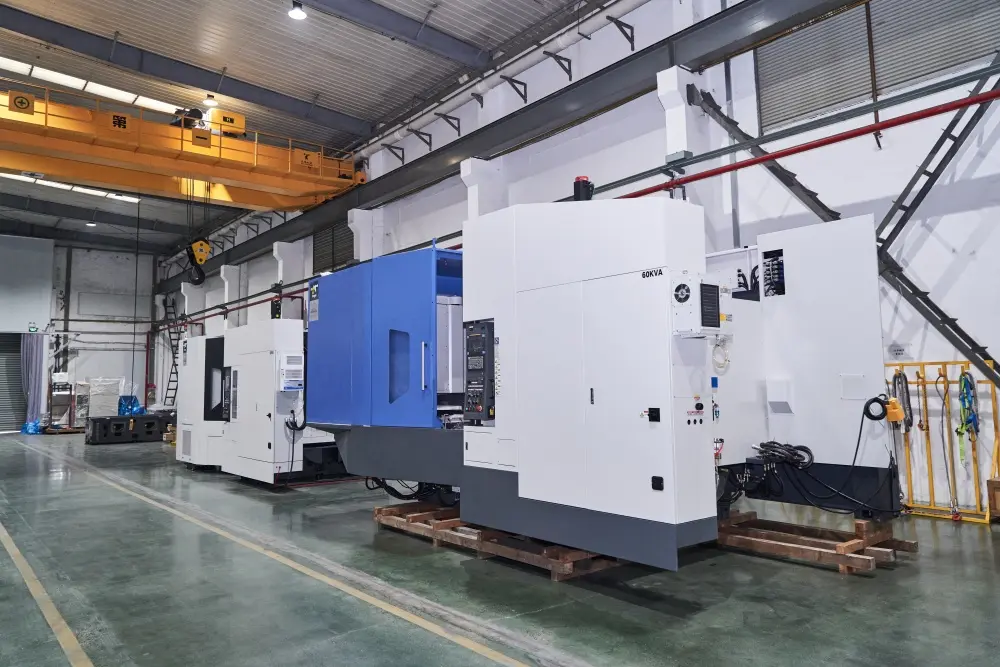
Consistently empower metal cutting enterprises to build production advantages. We strive to make automation accessible, durable, and highly cost-effective.
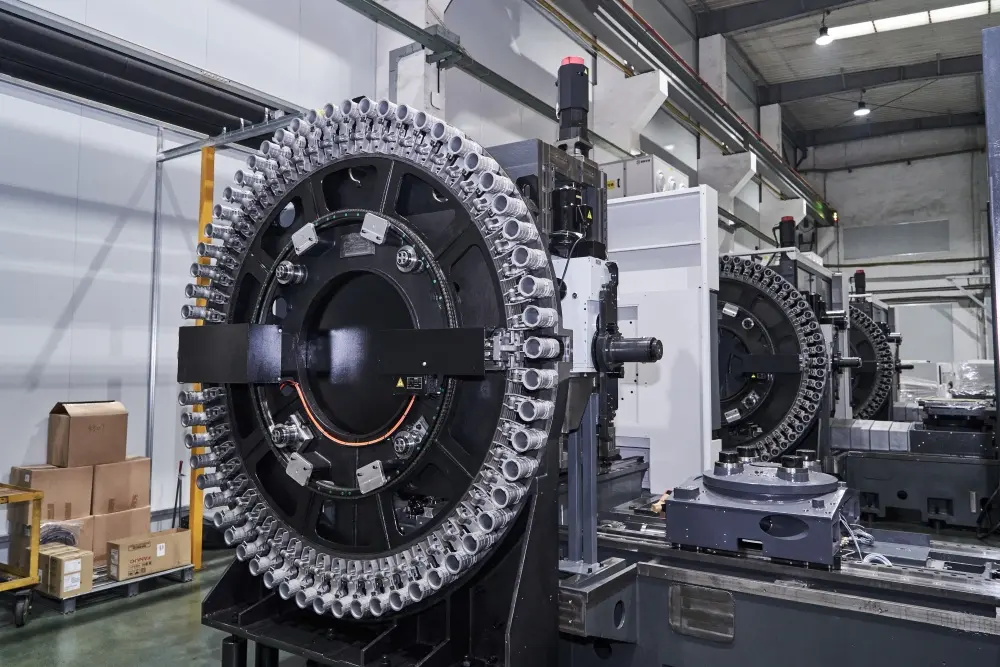
To be the backbone of the equipment manufacturing industry. We innovate for sustainable development, contribute to the engineering community, and create long-term ROI for our clients.
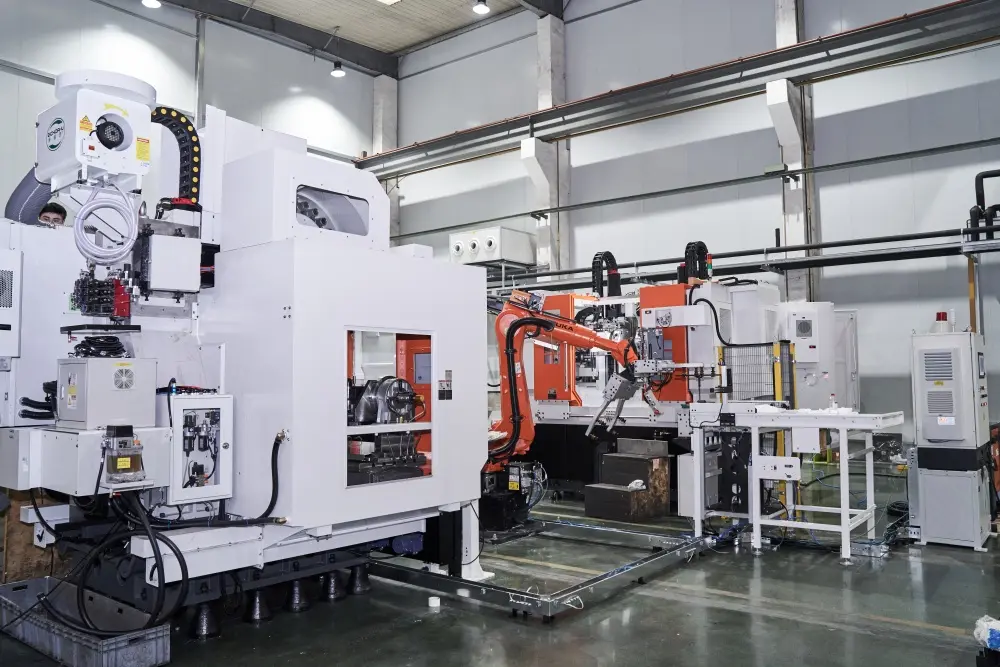
“Details achieve quality; quality forges value.” This belief is embedded in every single weld, spindle balancing step, linear guideway alignment, and control-cabinet layout.
Tracing the evolution of subtractive machining toward automated, multi-axis, and cloud-connected cyber-physical systems.
The machining landscape is rapidly moving away from standalone machines. The technical roadmap highlights the implementation of multi-axis configurations integrated with overhead robotic gantries. Traditional components required multiple setups, leading to cumulative tolerance stack-up.
By introducing five-axis machining centers like the YUZHONG MT760, industries can execute complex geometry machining in a single setup. Robotic integration enables autonomous part loading, continuous orientation calculation, and automatic tool replacement under real-time program control.
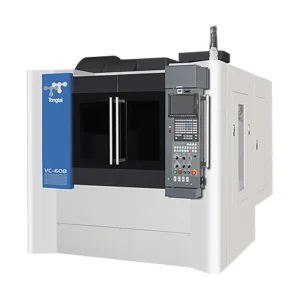
High spindle speeds generate significant heat, causing thermal displacement that compromises tool-path accuracy. The roadmap to absolute precision involves implementing oil-air lubrication systems (as seen in the VC-610 and VC-711 models).
Unlike oil mist, oil-air lubrication delivers micro-drops of oil directly to the high-speed spindle bearings at controlled intervals. This cooling technique prevents thermal expansion, allowing continuous operations at speeds exceeding 12,000 RPM while keeping dimensional variance within a sub-5-micron window.
The next generation of CNC systems incorporates edge-computing modules directly into the control cabinets. These modules collect real-time data from accelerometers, current sensors, and acoustic sensors mounted on the spindle and axis guideways.
By monitoring signal deviation, the machine detects tool wear, anticipates mechanical failure, and communicates with the robotic loading cell to adjust feed rate parameters automatically. This active feedback loop prevents catastrophic tool breakages and minimizes unplanned downtime.
Modern CNC control software automatically adjusts for ambient temperature variations, recalculating the coordinate system offset continuously throughout the day without human operator intervention.
Customized, high-performance setups engineered specifically for the demanding standards of key global sectors.
Processing advanced titanium and aerospace-grade aluminum components requires exceptional damping characteristics. Our rigid five-axis setups handle structural bulkheads and turbine blades without inducing micro-fractures in the material matrix.
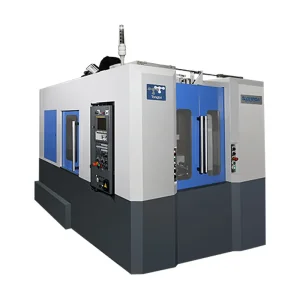
For transmission blocks and engine cases, speed and reliability are paramount. Our dual-spindle setups (such as the TMV-920A) double output density per square meter, integrating seamlessly with robotic gantry lines for rapid cycle execution.
Injection mold cavities demand mirror-like finishes directly from the milling machine to eliminate manual polishing. High-speed direct-drive vertical mills accomplish these tolerances by maintaining stable axis progression at high acceleration rates.
A calculated approach to sourcing industrial manufacturing equipment from China, focusing on long-term operations.
When purchasing machining assets, the initial acquisition price is only a segment of the total financial equation. Smart procurement directors analyze the cost of replacement parts, energy consumption patterns, and planned downtime costs.
Chinese manufacturing facilities have achieved significant economies of scale, allowing us to supply highly advanced CNC machining centers at competitive capital expenditures. When coupled with high-efficiency direct-drive motors, these machines reduce energy consumption by up to 25% compared to older belt-driven configurations, keeping operational expenses highly predictable.
Shipping high-tonnage precision machinery across ocean channels requires robust packing practices. Every unit dispatched is treated with anti-corrosion marine coatings, vacuum-packed in heavy plastic barriers, and secured on steel skids inside specialized open-top containers.
Our dedicated logistics team coordinates with international freight carriers to manage customs clearance, local port transfers, and delivery directly to the customer’s facility floor, mitigating risks associated with long-distance shipping of delicate electronic controls.
Ensuring absolute compliance with international directives and providing real-time technical support.
Operating heavy machinery requires adherence to safety and electrical regulations. Our export-grade CNC machines are designed from the ground up to meet European CE directives and North American UL safety standards.
This design process includes installing dual-channel safety relays, dedicated emergency stop circuits, interlocking enclosure systems, and isolated low-voltage control cabinets. Our machinery integrates with local factory grids without requiring expensive aftermarket safety upgrades or modifications.
Unplanned machine downtime directly impacts bottom-line performance. To combat this, we maintain localized spare parts hubs in target regions, stocking critical components such as spindle bearings, linear rails, electrical drives, and CNC controllers.
Additionally, our remote diagnostic capabilities allow our engineers in China to access the machine's software logs via secure internet connections, troubleshoot operational errors, and guide local maintenance teams through calibration procedures, reducing resolution times from days to hours.
Expert engineering answers to critical inquiries from procurement managers and manufacturing engineers.
Successful robotic integration requires standardized communication protocols (such as OPC UA or Profinet) to link the CNC’s PLC with the robot’s controller. Additionally, the machine enclosure must feature automated pneumatic door systems, automatic clamping vices (hydraulic or pneumatic), and tool sensors to communicate chip status, part placement, and cycle completion safely.
Oil-air lubrication continuously feeds minute quantities of clean oil directly into the spindle bearings using compressed air. This design reduces internal friction, carries away heat, and prevents external contaminants from entering the spindle assembly. Standard grease lubrication is limited to lower spindle speeds and cannot manage thermal expansion as effectively at speeds above 10,000 RPM.
Box ways feature larger flat contact areas between the moving slide and the machine base, offering exceptional vibration damping and structural rigidity. This design is highly suitable for heavy, interrupted cuts in tough materials like cast iron or titanium. Linear guideways, while faster and highly responsive, are better suited for light high-speed finishing operations rather than rough heavy metal removal.
We work with an established network of regional industrial distributors and technicians. They manage onsite positioning, alignment, electrical connection, and local safety compliance. For complex configurations, our engineering team in China joins via videoconferencing and remote software connections to complete the installation process.
Maximize production output with our high-speed, direct-drive vertical mills and dual-spindle machining centers.