 Fishen
Fishen
Fishen
Explore our lineup of heavy-load, high-precision machining machinery compatible with industry-standard tool holder configurations.
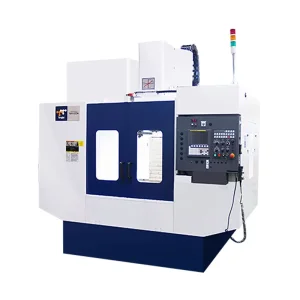
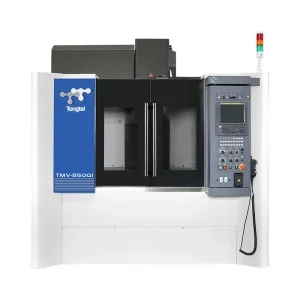
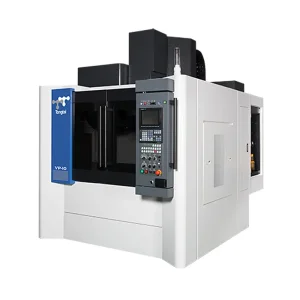
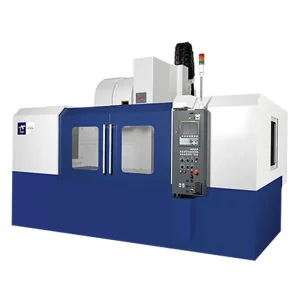
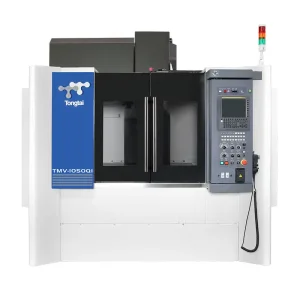
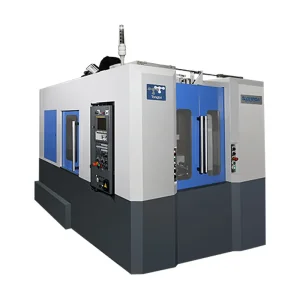
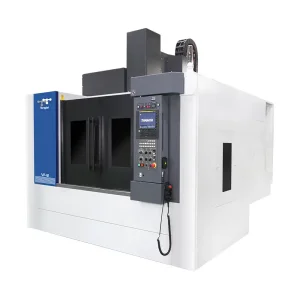
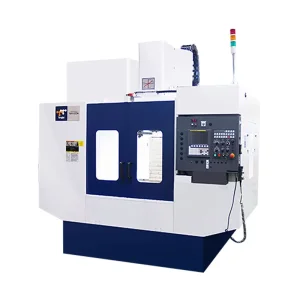
In high-speed and heavy-duty metal cutting, the tool holder system is the definitive mechanical link determining component quality, tool longevity, and machine safety. As CNC machining centers step into the realms of automated 5-axis aerospace machining and ultra-precise automotive parts production, tool holder systems have transitioned from passive clamping devices into highly engineered, dynamically balanced assemblies.
Worldwide, the demand for standardized tool holder systems—ranging from standard BT (MAS 403) and CAT (ANSI) tapers to advanced dual-contact HSK (ISO 12164) and PSC (Capto) systems—is accelerating. Higher spindle speeds reaching up to 24,000+ RPM demand dynamic balancing grades of G2.5, requiring manufacturing lines to source tooling components that guarantee runouts of less than 0.003mm.
Without high-precision tool holder interfaces, even the most advanced heavy-load CNC mills will suffer from accelerated spindle wear, thermal instability, and diminished surface quality, highlighting why industrial operations focus heavily on selecting reliable manufacturing partners.
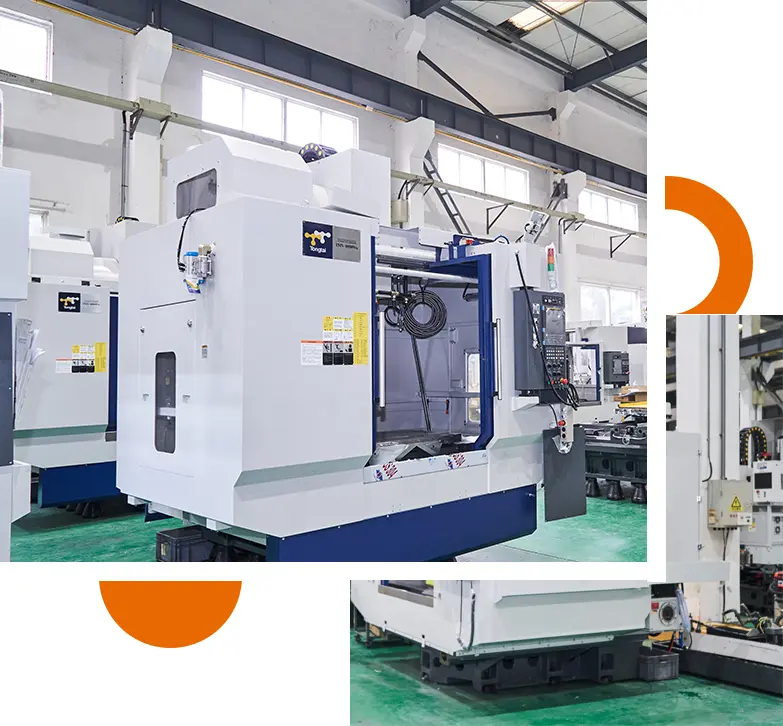
Defining the Future of Precision Machining Solutions Globally
Ningbo Fishen Intelligent Equipment Co., Ltd. is an integrated, high-technology enterprise specializing in the comprehensive R&D, manufacturing, distribution, and engineering support of high-precision CNC machining equipment and industrial metal-cutting interfaces.
We combine cutting-edge engineering with user-oriented designs to systematically address complex production bottlenecks, such as low cycle times, thermal distortion, and structural vibration during continuous operation. We construct high-rigidity machinery capable of maximizing the high clamping forces of premium tooling systems, keeping global manufacturing lines productive and profitable.
Why sourcing tool holder systems and compatible CNC mills from Ningbo, China ensures optimized capital expenditure and performance.
Using advanced multi-axis grinding centers and automated heat treatment setups, Chinese factories consistently produce tool holder configurations that feature runout tolerances below ≤0.003mm.
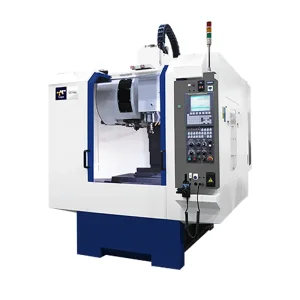
From local high-alloy steel sourcing to precision CNC machining centers (such as the Tongtai and Yuzhong systems), the entire metal processing supply chain is integrated to reduce delivery leads.
Whether adapting tooling setups for CAT50, BT40, or Capto C6, factories offer fast turnaround OEM/ODM customization services to match specialized machining environments.
Delivering high information gain: Key parameters to evaluate before ordering at wholesale scale.
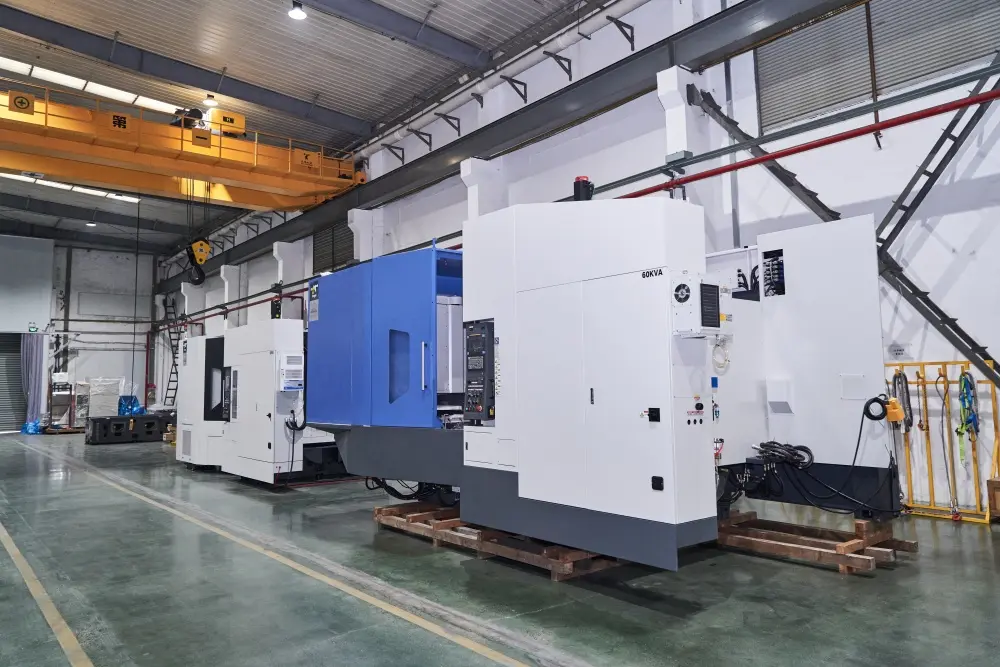
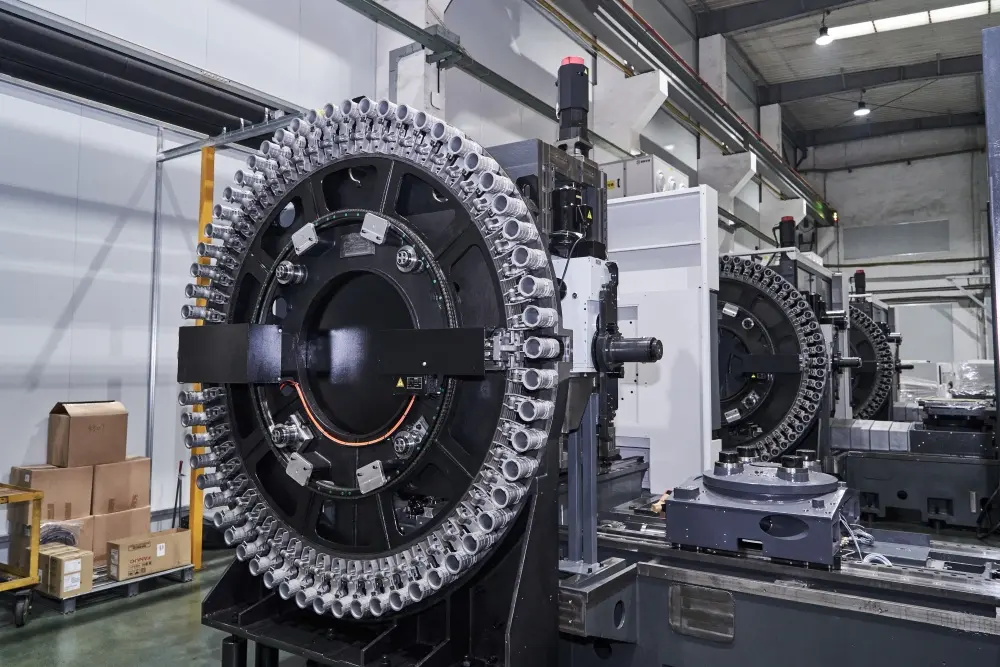
Selecting the correct tool holder taper impacts metal removal rates (MRR), surface finish, and tool life. High-speed systems like the HSK-A63 feature hollow shafts that expand outward under centrifugal force, providing dual contact with the spindle face and taper. This prevents axial movement during high-velocity milling.
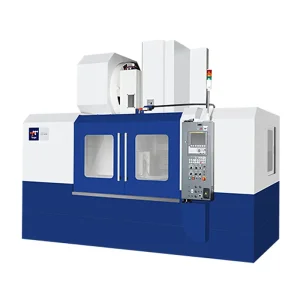
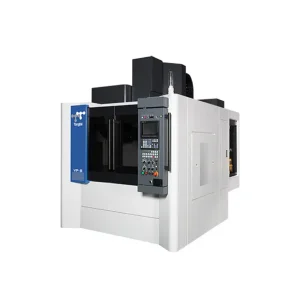
Conversely, BT40 and BT50 steep tapers utilize heavy, solid steel tapers suitable for heavy cutting stability, as seen on box-way machining centers like the Tongtai TMV1350A. When purchasing in wholesale quantities, verifying raw material composition—such as high-tensile 20CrMnTi alloy steel with deep case hardening (HRC 58-62)—is critical to prevent taper wear and corrosion over long production cycles.
Modern manufacturing shifts require adaptive, smart tool holding configurations that support high-speed machining.
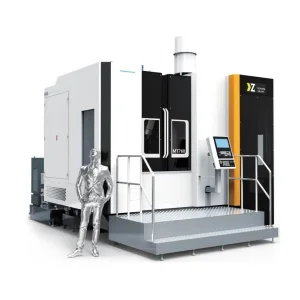
Machining complex structural items from titanium alloys or aluminum forgings requires consistent rigidity. 5-axis machines like the Yuzhong MT760 demand hydraulic chucks or shrink-fit tool holders to achieve narrow clearances, maintaining tight runout tolerances over extended processing times.
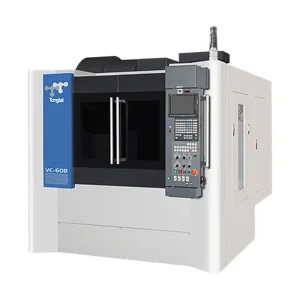
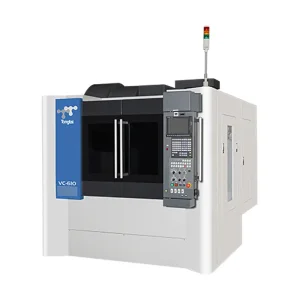
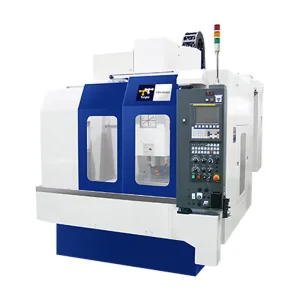
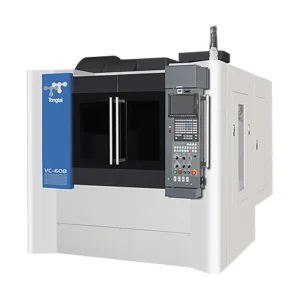
Large-scale tooling operations, such as those performed on the Tongtai VC-711 or VC-610, generate high radial forces. For these operations, heavy BT50 tool holder assemblies are crucial to prevent deflection, ensure surface finish accuracy, and prevent micro-chipping of carbide endmills.
As factories transition toward Industry 4.0, tool holder systems are increasingly integrated with RFID chips. This integration allows automated tracking of tool wear, offset adjustments, and runout history, improving efficiency on automated production lines.
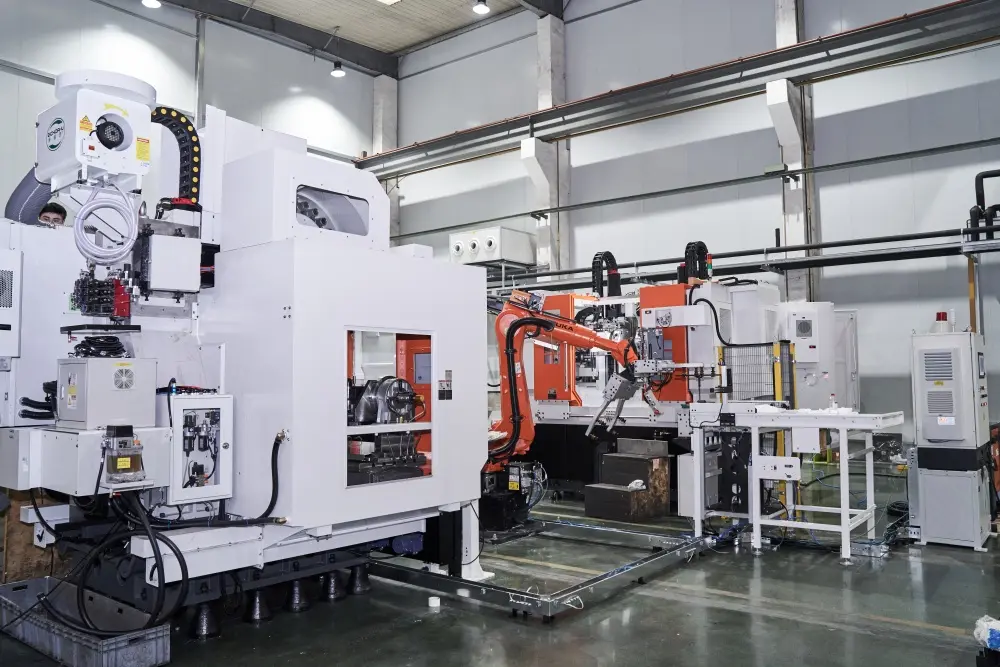
Technical answers to common questions asked by global procurement officers and machining engineers.
Whether upgrading your manufacturing facility with high-speed drill-tap machines or optimizing heavy 5-axis vertical machining systems, our engineering team can help. Contact our technical representatives today to discuss custom OEM/ODM solutions, pricing structures, and dynamic tool balancing options.
Request Technical ConsultationHigh-load vertical centers and oil-air cooled spindle mills designed to match premium tool holder setups.