 Fishen
Fishen
Fishen
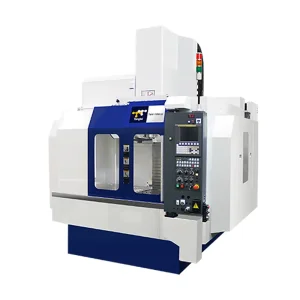
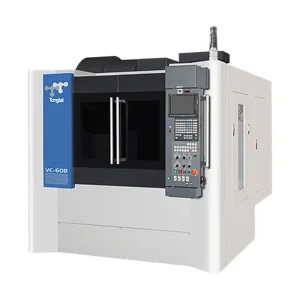
The Democratic Republic of Congo (DR Congo) represents a massive force in the global green transition, holding more than 70% of the world's cobalt supply and major reserves of copper, gold, and tin. Central to this mineral wealth is the Copperbelt spanning the Katanga and Lualaba provinces. However, the heavy extraction machinery utilized in these regions faces demanding, non-stop workloads, leading to component wear and mechanical breakdowns.
Traditionally, replacing large metal dies, casting molds, gears, and structural mining components involved ordering from overseas suppliers. This approach typically incurred lead times of 4 to 6 months via shipping corridors such as Dar es Salaam or Durban, resulting in costly mining downtime. Today, industrial operators in Kolwezi, Lubumbashi, and Likasi are actively establishing local machine shops to manufacture replacement parts domestically.
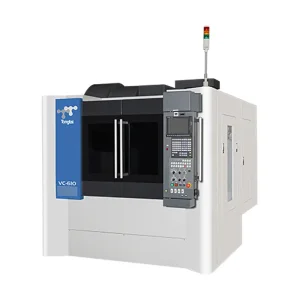
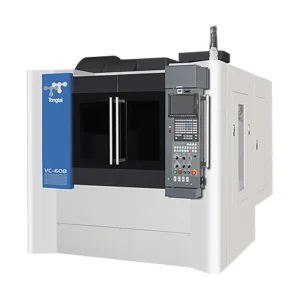
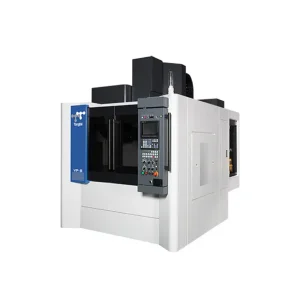
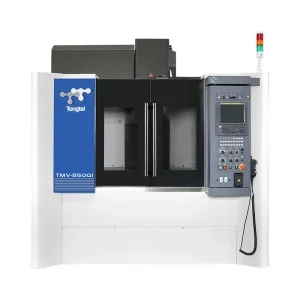
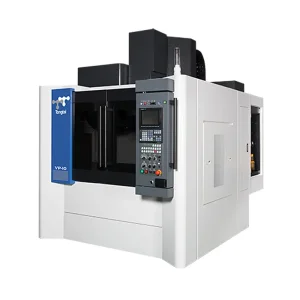
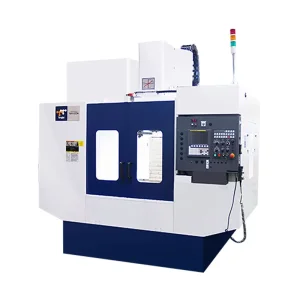
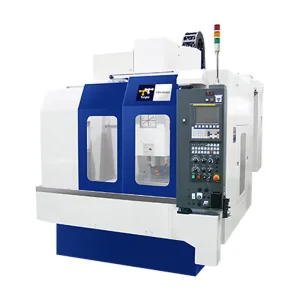
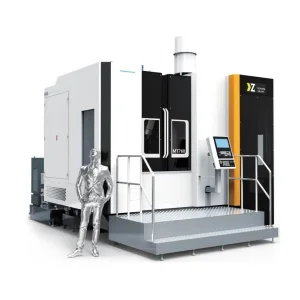
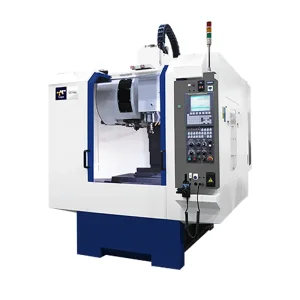
This is where high-rigidity CNC machining centers become crucial. Building local die and mold capabilities allows mining firms and heavy industry operators in the DRC to cut custom tooling lead times down to days, directly boosting uptime and lowering operational risk.
Our CNC centers specialize in machining heavy stamping dies, casting molds for mineral flotation systems, and wear-resistant replacement gears. These machines are engineered with box-way rails and high-torque spindles designed to handle tough alloys like Hadfield manganese steel, chromium white iron, and specialized titanium castings.
Operating in the DRC requires machinery resilient to voltage instability. Our machining centers are built with integrated dual-circuit surge protection systems, high-efficiency oil cooling systems for dust protection, and optional interfaces for industrial uninterruptible power supplies (UPS).
In high-precision mold and die manufacturing, thermal displacement control and structural rigidity are vital. For industries in Sub-Saharan Africa, where ambient temperature shifts can exceed 20°C in a single day, controlling thermal expansion is critical to maintaining tool accuracy. Our structural approach addresses this challenges through three key engineering innovations:
Traditional grease lubrication can cause heat buildup under continuous loads, leading to thermal expansion and dimensional drift. Our VC series uses an active oil-air spindle lubrication system. Constant micro-metered oil delivery, paired with dry compressed air, keeps temperatures uniform inside the spindle head. This system allows for high rotational speeds (up to 15,000 RPM) while keeping radial displacement below 1.5 microns.
To absorb cutting vibrations when machining hard ores or hardened steel dies, the machine frames are cast from authentic Meehanite iron. This material offers high dampening properties and resists thermal deformation. Symmetrical column structures distribute mechanical stresses evenly, maintaining consistent geometrical alignment even under heavy table loads.
Dust from mines can wear down fine ball-screws and optical linear scales. Our machine enclosures feature IP65-sealed electrical cabinets with integrated air-to-water heat exchangers. This keeps the internal electronics cool and clean, protecting controls and drives from outdoor humidity and mineral dust.
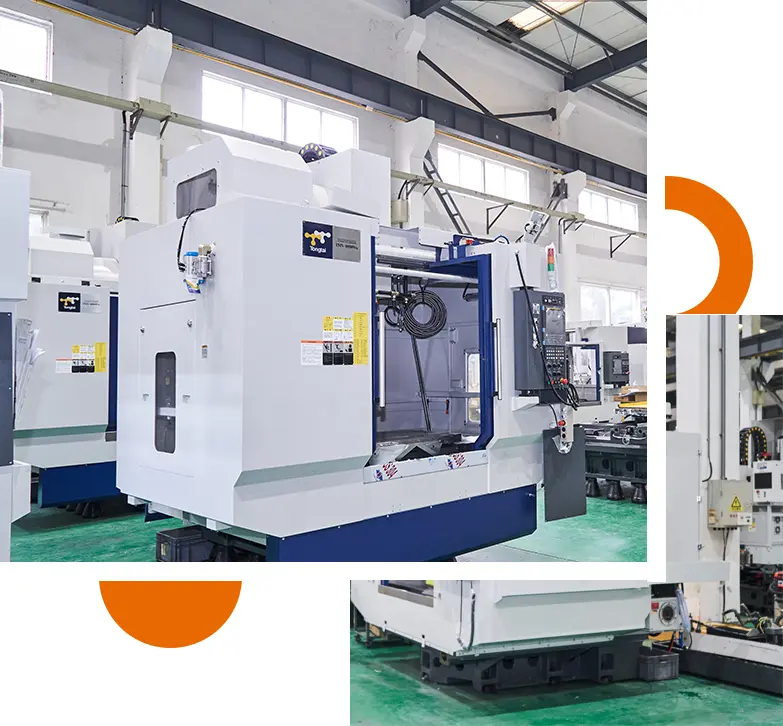
A CNC machining center is an advanced automated device that executes complex machining processes through precisely controlled movements and automated tool changes. Unlike traditional machining tools that require manual operation, CNC machining centers operate using computerized commands programmed into their systems. This sophisticated technology has revolutionized the manufacturing field, enabling the production of high-quality components with minimal human intervention.
Ningbo Fishen Intelligent Equipment Co., Ltd. is an integrated enterprise specializing in manufacturing, R&D, and sales-service for high-precision machining equipment. With a focus on advancing metal cutting technology, we are committed to delivering reliable, efficient, and future-oriented solutions to global manufacturers. Our core strength lies in combining cutting-edge engineering with customer-centric design—we don’t just supply machines; we tailor solutions to solve real-world production challenges. Today, Fishen Intelligent has grown into a trusted partner for industries demanding strict precision, and we strive to become China’s most competitive CNC machining center manufacturer and service provider.
At Fishen Intelligent, our competitiveness is built on two pillars: technological innovation and uncompromising quality. We ensure that our CNC installations operate reliably in demanding industrial regions like Central Africa.
We maintain a dedicated, professional technical team that treats innovation as the lifeblood of sustainable development. Our engineers continuously refine machine designs—from optimizing spindle performance to enhancing CNC control systems—to keep our equipment at the forefront of precision engineering.
We place “users’ equipment needs” at the center of R&D. Before launching any product, we conduct in-depth research into industry pain points (e.g., low production efficiency, inconsistent precision) and tailor improvements to address these challenges directly.
Guided by our operation philosophy of “Quality First, Customer Supreme,” we implement strict quality control throughout the manufacturing process—from raw material selection to final assembly and testing—ensuring every machine meets international standards.
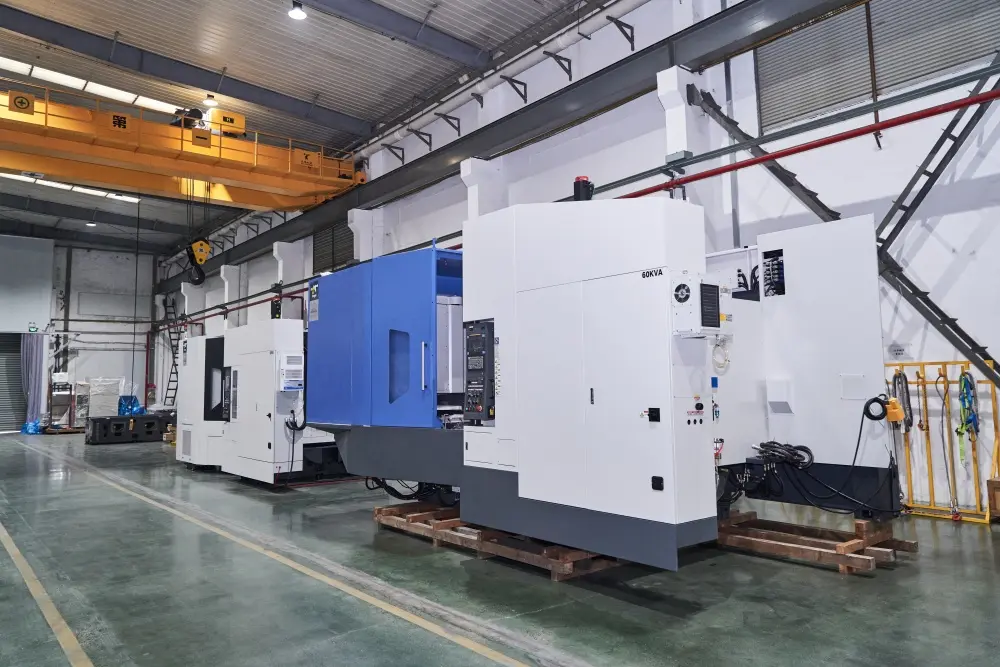
Consistently empower metal cutting enterprises to build production advantages, helping regional shops transform into high-precision manufacturing centers.
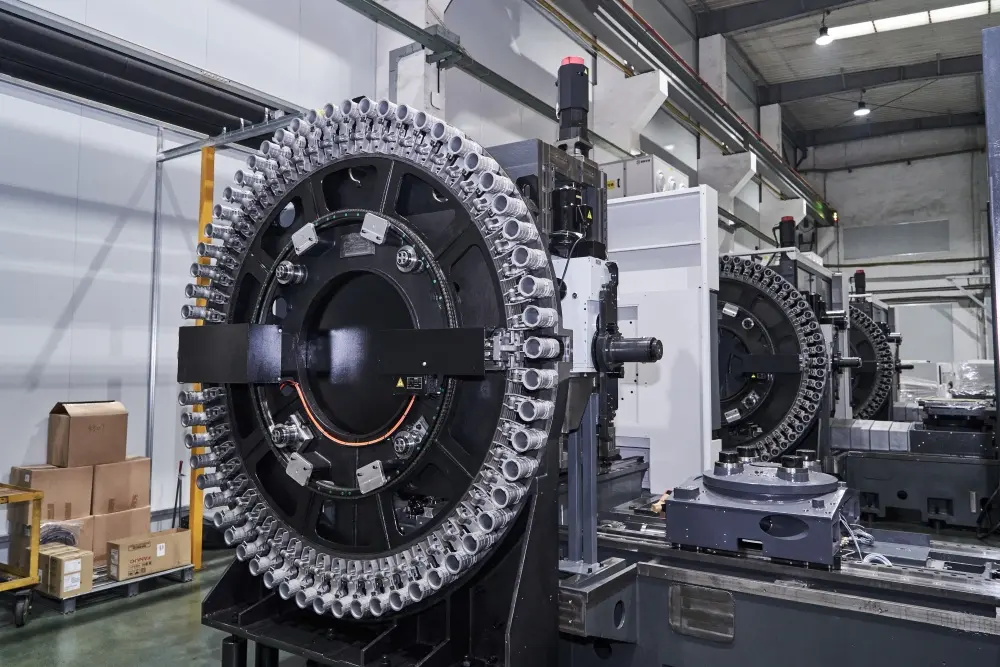
To be the backbone of the equipment manufacturing industry—we innovate for development, contribute to society, and create long-term value for users while building a reputable brand.
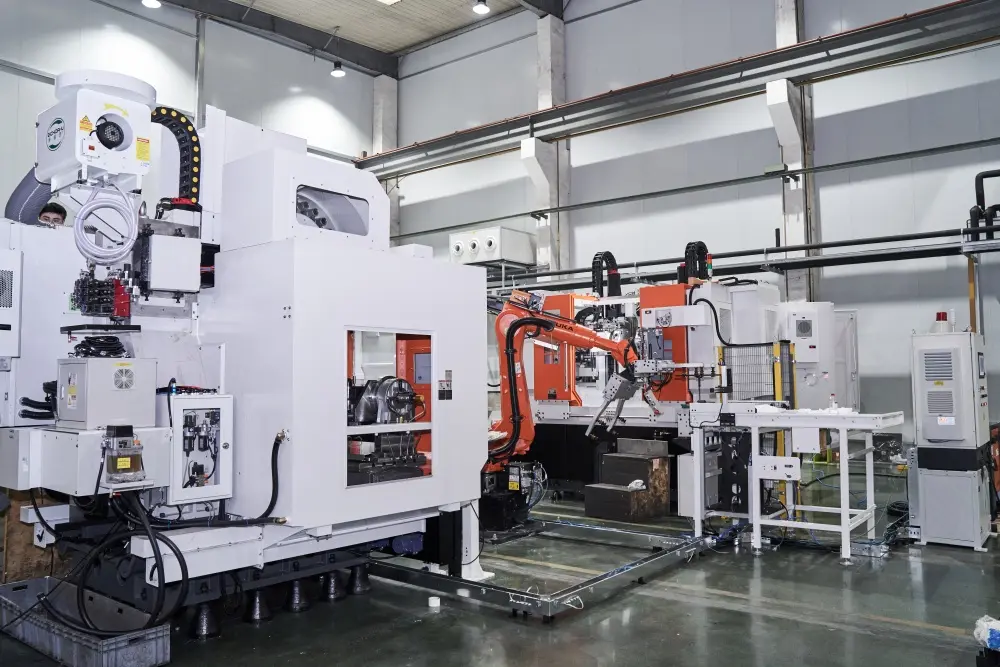
“Details achieve quality; quality forges value.” This belief is embedded in every aspect of our work, from the smallest component of a machine to the most comprehensive after-sales service.
As manufacturing moves toward Industry 4.0, our roadmap outlines the integration of automation, real-time sensing, and smart connectivity into our machining solutions.
Optimizing structural rigidity using Finite Element Analysis (FEA) and implementing active thermal cooling jackets around CNC spindle housings to control thermal growth.
Transitioning complex tooling shops from traditional 3-axis mills to 5-axis simultaneous machining. This setup reduces part handling and simplifies complex geometry fabrication in a single setup.
Deploying remote IoT monitoring systems. Remote service teams can analyze vibration data, monitor tool wear, and diagnose CNC systems via satellite connection, bringing expert support to remote mining locations.
Integrating Automatic Pallet Changers (APC) and in-machine touch-probe measurement systems (Renishaw). This allows the machine to self-correct tool offset coordinates dynamically, minimizing human error.
By basing our manufacturing in Ningbo, China, we leverage one of the world's most advanced machining and industrial ecosystems. This close integration allows us to source premium castings, precision linear guides, and control systems efficiently. This optimization enables us to offer high-performance CNC machining solutions at a competitive price point, providing strong value for growing enterprises in the DR Congo.
Our logistical reach ensures secure, end-to-end transport from our manufacturing base to your facilities in Lubumbashi, Kolwezi, or Kinshasa. We handle import inspections, coordinate with regional customs brokers, and manage marine transport to ports like Dar es Salaam or Beira, followed by secured road transport to your shop floor.
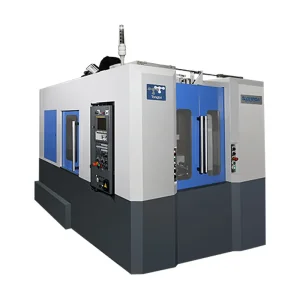
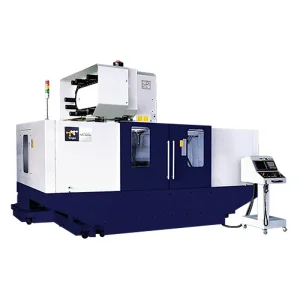
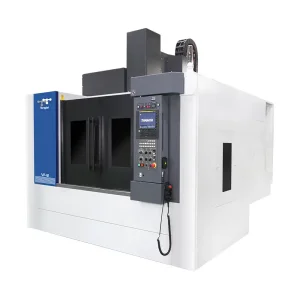
Importing capital-grade machinery into the Democratic Republic of Congo requires meeting clear regulatory guidelines. Before shipping, industrial equipment must comply with testing and verification procedures to ensure safety and performance on site:
We work alongside approved testing bodies, including SGS and Bureau Veritas, to facilitate pre-shipment inspections and secure the required *Certificat de Conformité* (CoC). This proactive compliance helps prevent delays at entry points such as Matadi Port or the Kasumbalesa border.
Our machinery meets European CE standards and ISO 9001 regulations. Key components—such as optical safety barriers, emergency interlocks, and shielded electronics—are designed to operate reliably within local factory environments.