 Fishen
Fishen
Fishen
Engineered for extreme tolerances and seamless integration into hybrid additive-subtractive workflows.
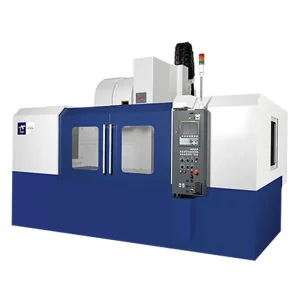
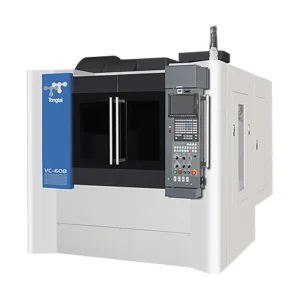
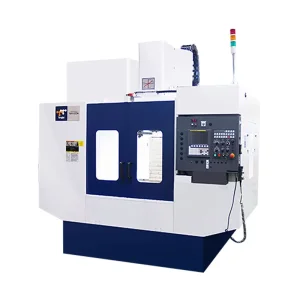
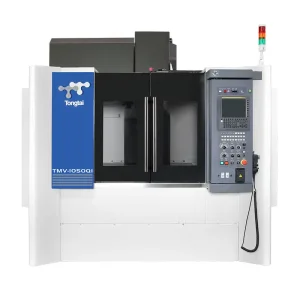
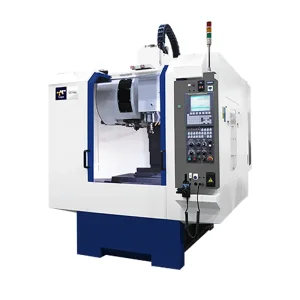
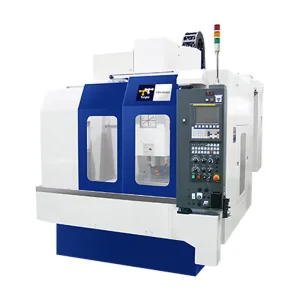
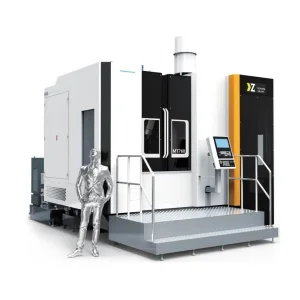
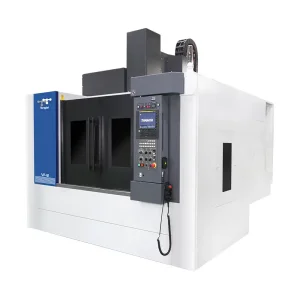
Rooted in 55+ years of combined technological foundation across 3 world-class producing bases.
A CNC machining center is an advanced automated system that executes highly complex geometries through computerized commands and automated tool changes. In modern industrial ecosystems, the boundaries between subtractive machining and Additive Manufacturing (AM) are merging. High-precision CNC milling centers are now recognized as the indispensable foundation for post-processing 3D-printed metal components, establishing what is widely known as Hybrid Manufacturing.
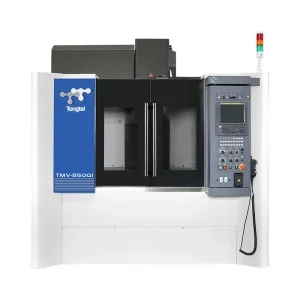
Without the ultra-precise tolerances, box-way stiffness, and rapid spindle configurations of systems like the Tongtai TMV series or Yuzhong MT760 5-axis center, printed metal parts cannot achieve the surface roughness and dimensional control required for flight-ready aerospace assemblies, medical implants, or micro-molds. Ningbo Fishen Intelligent Equipment Co., Ltd. leads this synthesis, delivering the technology backbone needed to finish, refine, and support high-integrity additive structures globally.
An authoritative analysis of hybrid production strategies, supply chain localization, and technical integration benchmarks.
Industrial manufacturing has evolved beyond traditional boundaries. Additive manufacturing—whether utilizing Powder Bed Fusion (PBF), Direct Energy Deposition (DED), or Electron Beam Melting (EBM)—creates parts layer-by-layer, resulting in complex internal geometries that are impossible to execute with standard tooling. However, the surface finish of raw printed metal parts is typically rough ($Ra \approx 10-25 \mu m$). This is where ultra-precise CNC vertical mills and high-rigidity machining centers become critical. By implementing dual-spindle structures (such as the Tongtai TMV-920A) and rapid-traverse mills, manufacturers can perform automated, highly efficient, and micro-precise subtractive finishing on complex additive builds within a single digital ecosystem.
When buyers search for China Additive Manufacturing Manufacturers, they are not just seeking 3D printers. They require complete workflows that deliver functional components. An additive manufacturing process is only as strong as its post-processing accuracy. By combining DED and SLM systems with rigid high-speed subtractive units, Chinese factories provide a unified workflow that reduces lead times by up to 45% compared to multi-facility routing.
This hybrid production method is driving development across critical industries:
How China's leading manufacturers are advancing from separate systems toward fully integrated, single-setup hybrid lines.
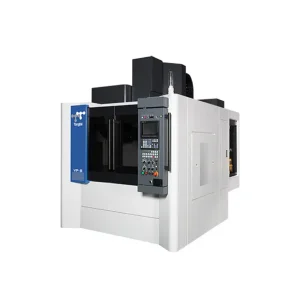
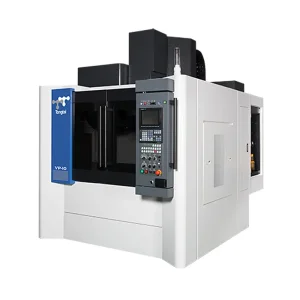
Heavy emphasis on optimizing surface finishes of raw additive parts. Advanced high-speed vertical machining centers, utilizing direct-drive spindles (like the Tongtai VP-10) and specialized tool paths, remove scale and thermal stress contours to ensure part compliance.
Real-time optical monitoring during laser melting allows for the creation of a digital profile of the component. The CNC finishing program adjusts tool paths dynamically to account for micro-scale material shifts, maximizing yield rates for specialized aerospace alloys.
The convergence of metal deposition nozzles and high-torque milling heads within a single machine frame. Workstations will alternate between depositing metal layers and milling internal cavities that are unreachable once the part is fully formed.
Why sourcing from Chinese manufacturing corridors ensures stability, rapid scale, and technological superiority.
From base casting and structural assembly to spindle balancing and control logic design, the production ecosystem is highly consolidated. In industrial hubs like Ningbo, casting foundries, linear guide manufacturers, and laser source providers operate in close proximity. This geographic density keeps supply lines short and highly responsive.
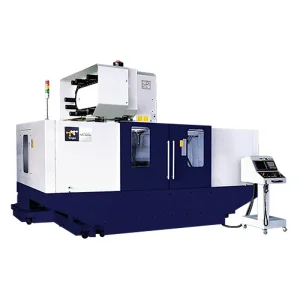
Leveraging multi-base setups, such as Ningbo Fishen's 3+ producing bases, allows for rapid scaling from single custom units to high-volume production runs. This flexibility enables the simultaneous assembly of large box-way machines, high-speed drill-tap units, and custom hybrid systems without bottlenecking lead times.
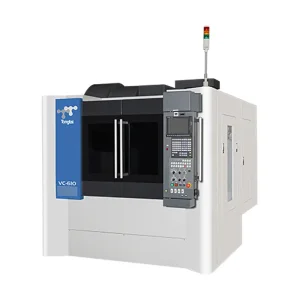
China's refined supply chain, highly skilled engineering base, and efficient manufacturing practices allow for the delivery of high-end features—such as oil-air spindles (VC-610), direct-drive designs, and 5-axis systems—at a highly competitive total cost of ownership compared to European counterparts.
Building the backbone of the equipment manufacturing industry with a customer-centric approach.
Ningbo Fishen Intelligent Equipment Co., Ltd. is a leading, integrated enterprise specializing in the R&D, manufacturing, and global service of high-precision machining systems. Over decades of innovation, we have focused on improving metal-cutting processes, recognizing that subtractive accuracy is crucial for the success of additive manufacturing projects.
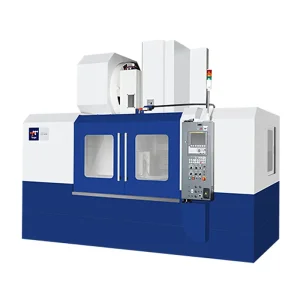
Our guiding principle, “Details achieve quality; quality forges value,” is visible in every design detail: from optimizing spindle heat dissipation to choosing box-way designs for heavy-duty cutting stability (such as the Tongtai TMV1350A). We customize solutions for challenging applications, ensuring that when you purchase our machinery, you are securing a highly reliable production line.
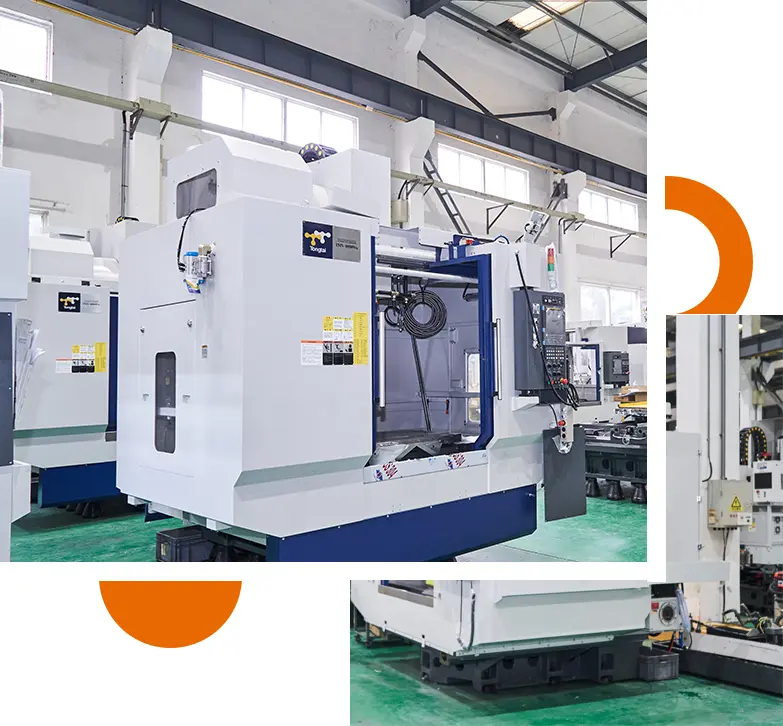
Our engineering teams continuously improve machine designs—from spindle vibration dampening to advanced CNC control integrations—ensuring our systems remain at the cutting edge of precision manufacturing.
We build our designs around the practical challenges faced by manufacturers. Before launching new products, we research common pain points—such as thermal distortion and slow tool changes—and optimize the machines to eliminate them.
We enforce strict quality control measures at every stage of production—from checking raw castings to laser interferometry calibration of finished linear axes—guaranteeing compliance with international standards.
Providing seamless cross-border logistics, technical service, and compliance support for global operations.
Every CNC and hybrid machine we manufacture complies with international safety and quality standards, including CE certification for the European Union and OSHA/ANSI compliance for North America. By using premium components like Fanuc, Siemens, or Heidenhain control systems, we ensure that our equipment integrates smoothly into existing IT and factory automation networks.
To reduce downtime, we provide complete, end-to-end support for our machinery worldwide. This includes on-site installation guidance, remote diagnostic support, and local service partnerships. Our goal is to ensure your production lines operate efficiently and reliably, wherever they are located.
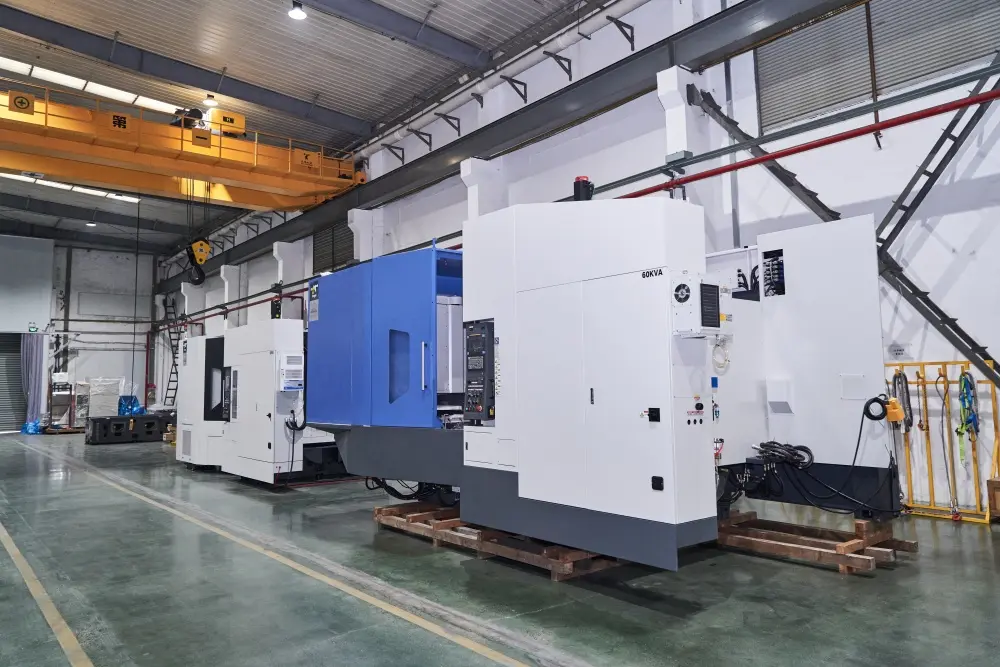
Consistently empowering metal-cutting enterprises to build production advantages and process efficiencies.
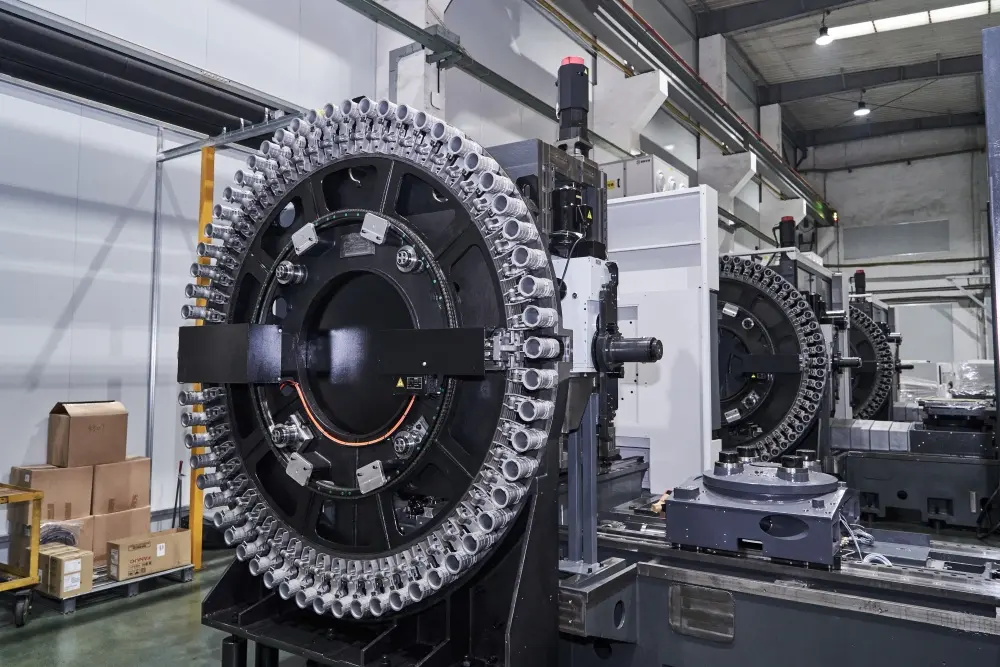
Innovating for long-term development, creating real value for users, and building a trusted brand.
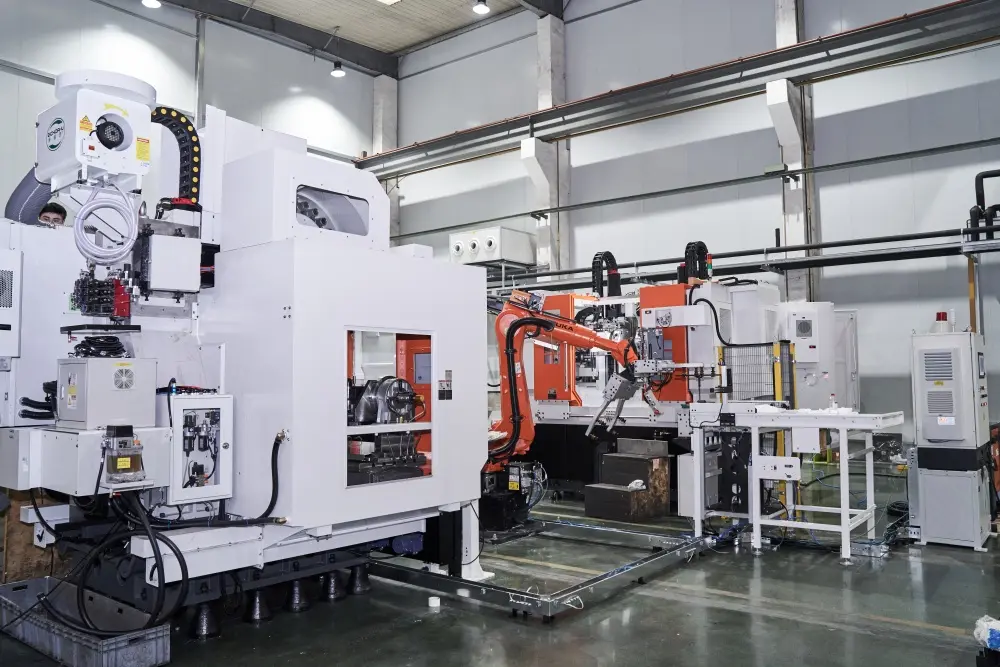
"Details achieve quality; quality forges value." This standard guides our design, assembly, and service teams.
Answers to common technical questions about hybrid workflows, precision limits, and supply chain logistics.
Explore our full line of vertical mills and precision centers designed to support advanced hybrid manufacturing workflows.